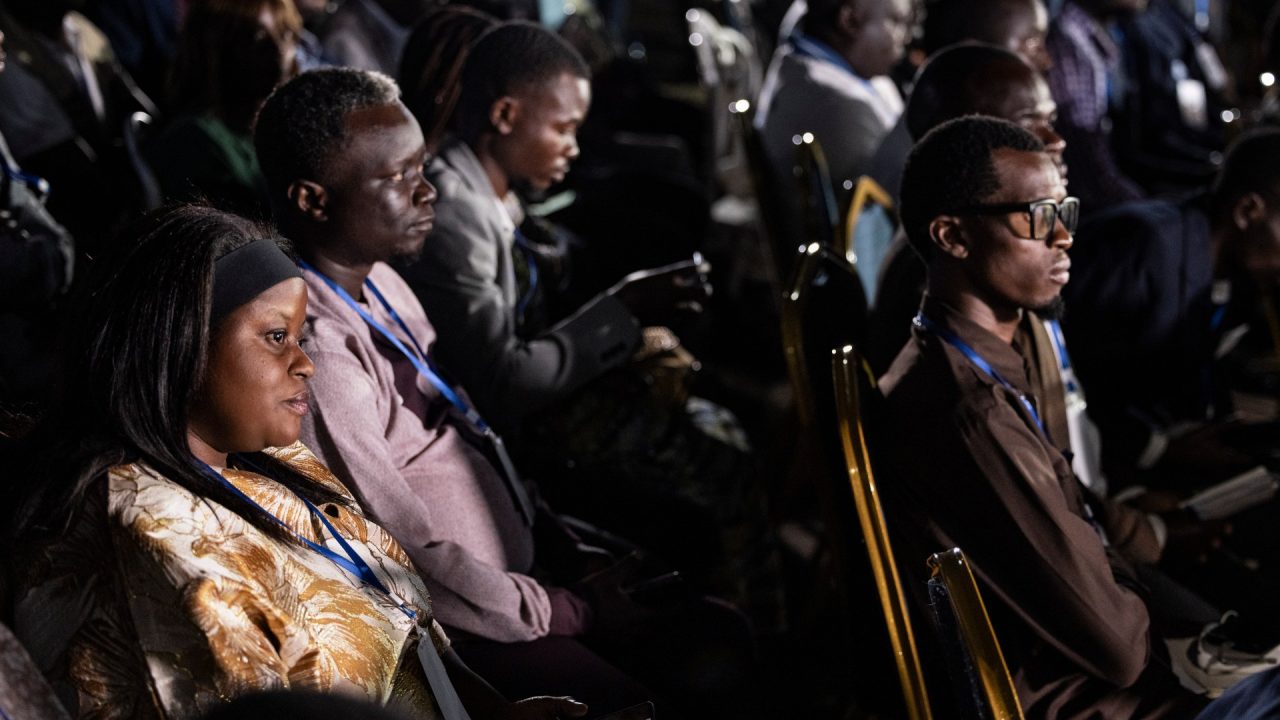
A significant number of journalists across Africa are operating in conditions of economic precarity that threaten the integrity of their reporting, according to a new continent-wide survey. The study, conducted by the Federation of African Journalists (FAJ) with support from UNESCO, assessed the working conditions, labor rights, and safety of media professionals.
The research gathered responses from 1,586 journalists in 45 African countries. Findings indicate that 61 percent of respondents reported that their income from journalism was insufficient to meet basic living needs. Additionally, 58 percent faced delayed salaries, while 62 percent worked without written contracts. In Central Africa, 55 percent of respondents indicated that salary arrears lasted between three and eight months within a single year.
These economic hardships create structural vulnerabilities for news organizations. Reporters dealing with personal financial instability may lack the resources required for thorough investigative work, such as travel, secure communications, and document verification. This economic pressure can lead to the abandonment of complex stories and increases the risk of errors. Furthermore, the financial strain opens the door to external influence, as journalists may rely on borrowed money or political allowances, compromising the independence of their coverage.
The survey also highlights severe physical and digital risks. Sixty-five percent of participants reported experiencing work-related threats or intimidation in the past three years, while 78 percent stated they had no access to workplace legal support. Online harassment and digital surveillance were also common, with female journalists facing additional challenges, including gender-based violence and unequal pay.
Censorship has become a frequent coping mechanism for these journalists. Eighty-four percent of respondents said they practice self-censorship frequently or occasionally, and 69 percent admitted that threats have caused them to avoid certain stories. The economic danger of losing a job already characterized by poor pay often silences reporters without the need for formal bans.
Despite the widespread issues, the report notes that progress is possible through collective bargaining and government action. In Mauritania, sustained advocacy by journalists’ unions led to the regularization of 1,860 media workers in 2025, securing permanent contracts and benefits. In Morocco, a collective agreement signed in 2023 resulted in salary increases for experienced journalists. Similarly, in Namibia, the formal registration of a media professionals union has improved settlements for workers facing retrenchment.
The African Union has also taken steps to address these issues, with recent calls from its Peace and Security Council for stronger protections against impunity and improved access to information. Experts argue that enforcing labor protections, ensuring timely wages, and safeguarding the right to organize are essential to maintaining a robust and independent press on the continent.

It’s not just money, it’s about safety. 65% facing threats is too high, especially for women in the field.
Glad to see Mauritania actually fixing contracts. Shows unions work when government allows them to operate properly.
The 84% self-censorship rate is terrifying. Without stable pay, how can we expect journalists to take risks on important stories?