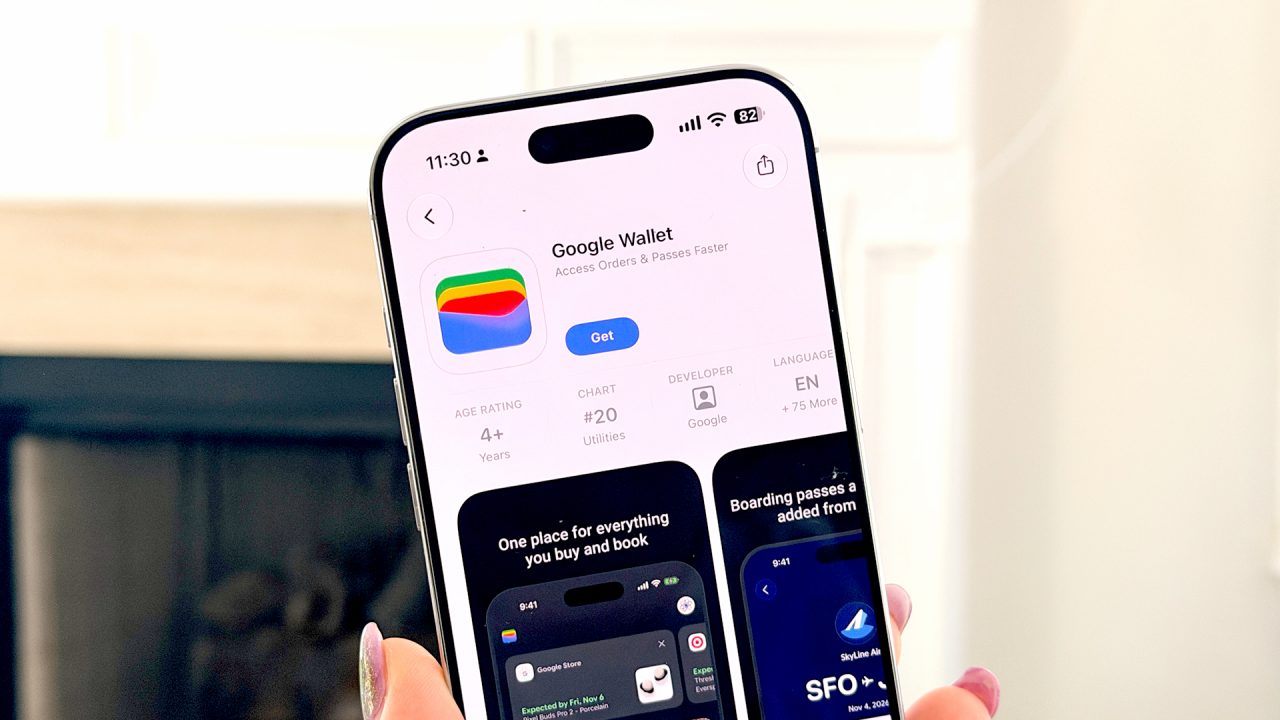
Google has released its Wallet app for iOS in the United States, marking the first time the service is available for iPhone users. The new application allows consumers to digitize physical items such as payment cards, loyalty programs, membership badges, and airline boarding passes. It also consolidates digital receipts and order tracking data pulled from Gmail into a single interface, streamlining the online checkout process for merchants that accept Google Pay.
Despite this expansion, the app lacks a critical feature found in its Android counterpart: tap-to-pay. Apple’s restrictions on its operating system prevent Google from offering contactless payment capabilities via the iPhone, meaning users cannot use their phone to pay at physical retail terminals. The previous Google Pay app for iOS, which was discontinued in 2024, also did not support this functionality and offered more limited features such as gift card storage and basic purchase tracking.
The primary differentiator of the new Google Wallet for iOS is its integration with Gemini, Google’s AI assistant. The app features an ‘Agents’ section that serves as a central hub for managing purchases made autonomously by Gemini. This allows users to monitor active tasks, view completed transactions, and access digital receipts generated by AI-driven shopping sessions. Users can authorize Gemini to make purchases within specific budget limits, a capability powered by Google’s emerging agentic commerce framework.
Google is supporting this new ecosystem with two key protocols: the Universal Commerce Protocol (UCP), which enables AI agents to communicate with retailers to complete transactions, and the Agent Payments Protocol (AP2), which establishes the security and authorization rules for AI-driven payments. By positioning Google Wallet as the consumer-facing record for these AI interactions, the company aims to cement the app’s role in the growing trend of automated commerce.

Leave a Reply