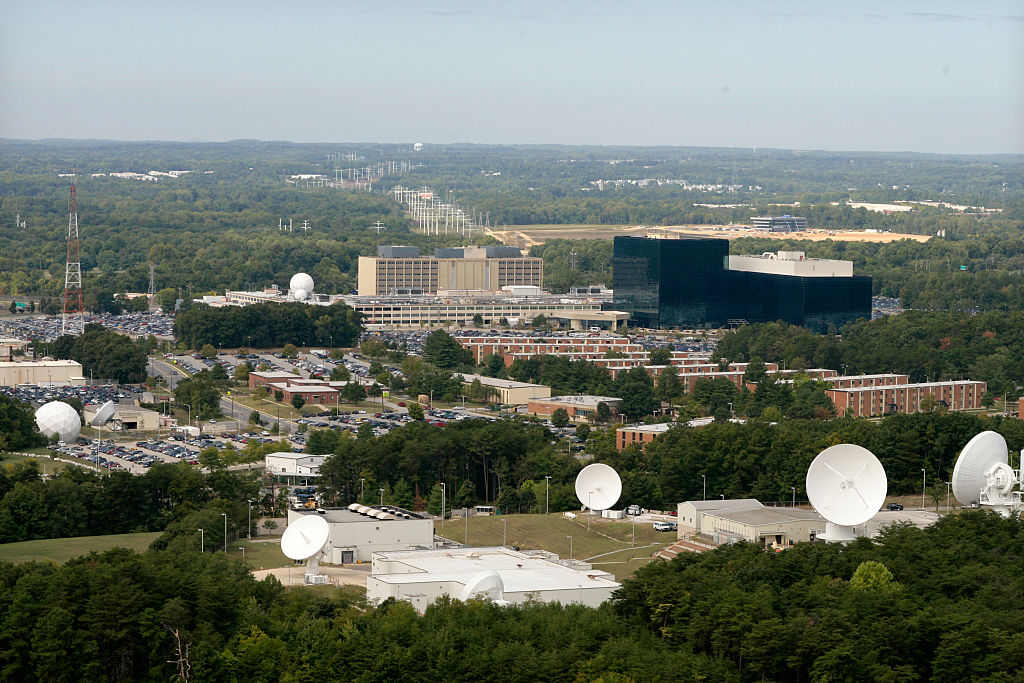
The National Security Agency (NSA) confirmed on Tuesday that it experienced a “temporary degradation” of its systems, marking the latest disruption in a wave of technology failures affecting major private corporations, airlines, and federal agencies across the United States. While the agency stated that the issue occurred during scheduled routine maintenance and that mission-critical capabilities remained operational, reports from The New York Times and CNN indicate that NSANet, the network responsible for transmitting classified information, was taken offline.
Director of National Intelligence Jay Clayton attributed the incident to software patching procedures following the discovery of vulnerabilities in PHP, a programming language used for web servers. Clayton explicitly denied reports of a cyberattack or coordination by any nation-state, stating during a CNBC interview that officials have verified there is no evidence of such activity. He noted that disruptions are common when systems are taken offline for upgrades and maintenance.
The NSA incident follows a string of significant outages that began earlier in the week. On Thursday, Microsoft reported a global service interruption, leading to a nationwide aircraft ground stop by the Federal Aviation Administration the following day. By Monday, United Airlines and major American banks reported technology failures, while Apple announced on Tuesday that it was restoring services after an internal update caused disruptions to iCloud and Apple Pay. Secretary of State Marco Rubio, serving as national security adviser, described the incidents as “unsettling” but emphasized that there is “zero evidence” linking them to nefarious actors.
President Donald Trump, speaking at the ASEAN summit in Manila, dismissed concerns about the broader wave of outages, asserting that the situation is “under control” and that such technical glitches are inevitable. However, lawmakers have expressed skepticism regarding the timing and scale of the events. Senator Josh Hawley questioned the likelihood of the incidents being coincidental, while House Democratic leader Hakeem Jeffries called for a briefing from the administration to address concerns over potential “malignant activity.”
Experts warn that even temporary interruptions to the NSA’s internal networks could have significant implications for national security. The agency, established in 1952, is responsible for gathering foreign signals intelligence and protecting sensitive communications for the Department of Defense and the National Security Council. A delay in analyzing and disseminating intelligence could impact ongoing military operations, including those involving Iran, and diplomatic engagements, such as upcoming meetings between President Trump and foreign leaders. While officials maintain that urgent information can still be relayed through alternative means, cybersecurity experts caution that initial explanations for technical failures may evolve as further investigation reveals the root causes.



Leave a Reply