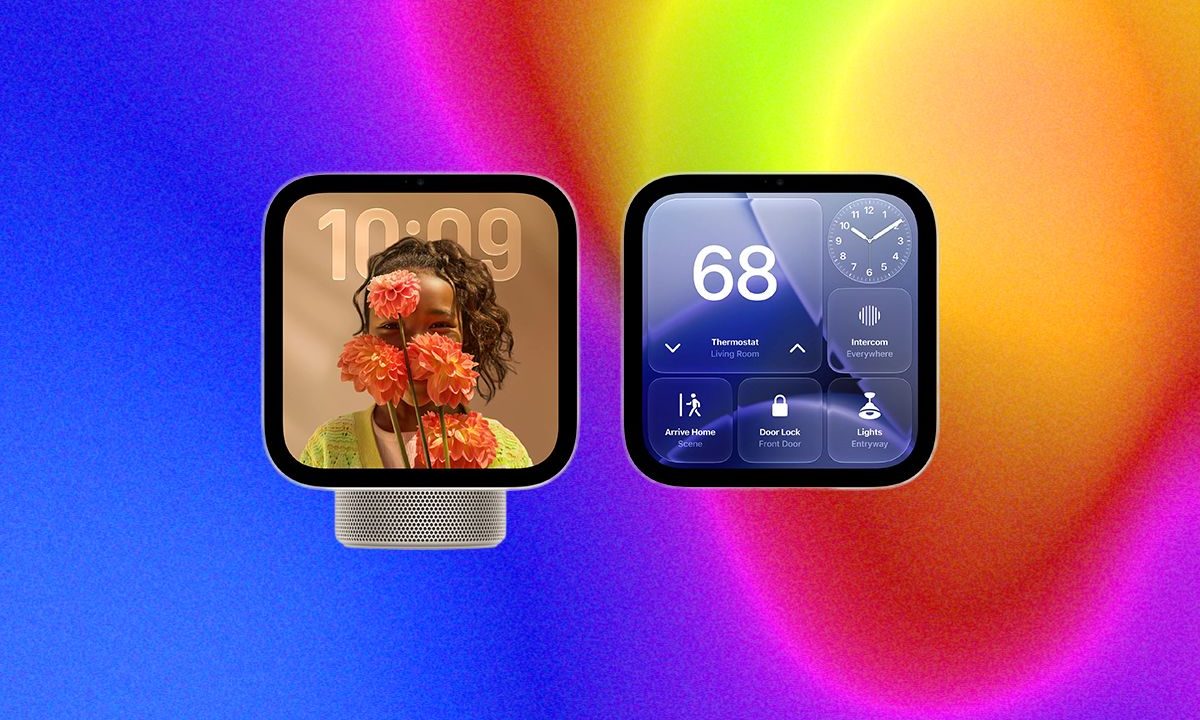
Apple has officially entered the smart display market with the launch of the HomeView, a device that arrives nearly a decade after Amazon’s initial Echo Show release. The new hardware features a compact, square 7-inch screen, a design choice that distinguishes it from the rectangular displays favored by competitors. At its core, the device functions as a hub for controlling smart home devices, answering questions, and facilitating communication via FaceTime and Messages, although its performance relies heavily on the user’s integration with the Apple ecosystem.
The HomeView is priced at $299 and is primarily designed for Apple devotees who utilize services like iCloud and Apple Music. While the interface offers convenience for making calls and locating lost iPhones through the Find My feature, the device lacks an app store. Users can only access a limited set of built-in applications, including Safari and FaceTime, with some third-party apps like Spotify and Libby reflecting from their phones. Reviewers have noted that the device feels somewhat like a scaled-up Apple Watch, offering a familiar but limited user experience compared to broader smart display options.
Performance issues remain a significant concern for the new device, particularly regarding its voice assistant. The on-board Siri, which utilizes Siri AI for more conversational responses, struggled to complete simple music requests and locate devices via voice commands. In many instances, tasks that failed when executed through voice commands were successfully completed when users interacted with the device via touch. Additionally, to access the most advanced features, including customizable expressive voices, users are required to pair the HomeView with newer iPhone models such as the iPhone Air or 17 Pro, and update their operating system to version 27.2.1.
Despite these limitations, the HomeView serves as a central controller for Apple’s expanding smart home ecosystem, which includes upcoming hardware from partners like LG and Schneider Electric. The device can manage existing Apple Home-compatible products while waiting for the broader Apple Home Collection to launch. For users already invested in the Apple ecosystem, the HomeView offers a functional, if imperfect, addition to their household technology, but it may not impress those seeking a versatile, open-platform smart display.

Twenty-nine-nine dollars seems high for a device that cannot download its own apps.
Does it work with any smart plugs that are not explicitly Apple certified yet?
If Siri still struggles with basic music requests, I am not sure I can recommend it.
A scaled-up Apple Watch? That description feels a bit reductive for a dedicated home hub.
Finally! I have been waiting for years for a non-Amazon option in this category.