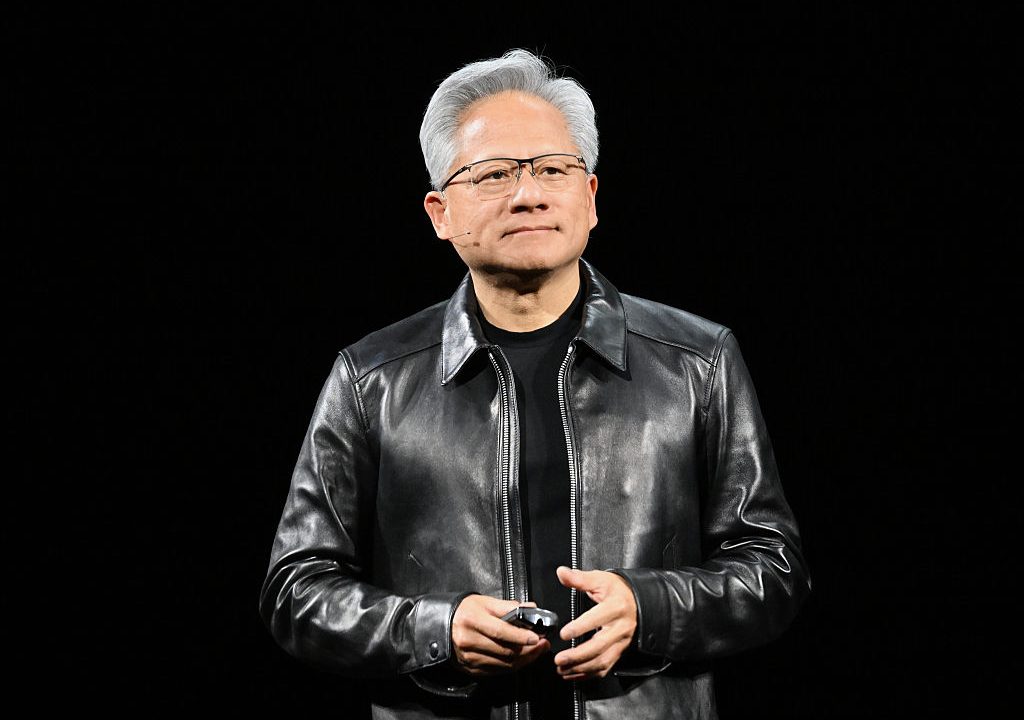
Nvidia’s board of directors has reportedly maintained its decision to keep the company’s co-founder, Jensen Huang, out of the CEO role, despite a public campaign urging his reinstatement. The move comes just one week after internal board pressure led to Huang’s resignation as chief executive. Prominent tech figures, including Elon Musk of SpaceX and Garry Tan of Y Combinator, have signed a petition demanding Huang’s return, while financiers Brad Gerstner and Gavin Baker have sent letters to the board urging them to avoid a hasty replacement. However, the board appears to be closing the door on his return due to significant breaches of trust and governance failures.
The case against Huang centers on undisclosed personal relationships that created textbook conflicts of interest. For thirteen months, Huang maintained through company spokespeople that his ties to Alice Huang, the head of major customer Megaspeed, were strictly professional. This assertion collapsed only after the Financial Times reported concerns raised by the U.S. government, prompting the Nvidia CEO to confess the relationship to the company’s general counsel. Subsequent reporting by The New York Times revealed a second undisclosed relationship with a direct subordinate, a conduct that corporate governance experts note is often grounds for termination at other major firms.
These lapses occurred within an organizational structure that limited oversight of its leader, characterized by approximately 60 direct reports and a lack of a clear successor or independent compliance chief. The most severe implications of these governance failures have emerged regarding export controls to China. Documents indicate that servers containing Nvidia’s H800, H100, and H200 chips were found in facilities linked to Alice Huang’s network, with some units reportedly routed through a Singapore-based partner before reaching China. These transfers allegedly took place even after President Donald Trump’s administration placed restrictions on these specific chips, a policy shift lobbied for by Huang.
Further scrutiny has fallen on the provenance of advanced hardware used by Chinese military and blacklisted entities. Forensic analyses suggest that Nvidia’s Blackwell chips have influenced recent Chinese AI models, raising questions about compliance with U.S. sanctions. While Nvidia maintains that it complies with the law and that no formal charges have been filed against Huang or the company, the board’s ongoing inquiry highlights a breakdown in the fiduciary duty owed to shareholders and national security interests.
The financial motives behind the campaign to reinstate Huang have also drawn attention. Under his leadership, Nvidia expanded its role as a financier for its customers, with equity stakes ballooning to approximately $99 billion by July. The company has committed to guaranteeing leases for major clients, including OpenAI, and holds significant investments in partners like CoreWeave and SpaceX. Critics note that many of Huang’s most vocal supporters hold substantial positions in Nvidia and its partners, suggesting that their advocacy may be driven by the desire to preserve a customer-financing network that benefits their own portfolios.
In response to the political narrative that Huang is a victim of external interference, Nvidia directors have emphasized that their decision is based on the integrity of internal assurances provided to the board. The board has opted to allow its investigation to conclude without interruption, aiming to restore confidence through rigorous oversight and the selection of a successor based on merit. By resisting external pressure, the board signals a commitment to the long-term stability of Nvidia, ensuring the company can sustain its technological dominance beyond the tenure of its founder.


Hope the investigation wraps up quickly. Investors are nervous about losing this leadership vacuum.
Funny how the financial motives behind reinstating him are ignored by most media outlets.
Need a proper successor plan. Sixty direct reports without oversight is a recipe for disaster.
Petitions from tech billionaires ring hollow when they likely hold massive Nvidia stock positions.
Export controls to China are a national security issue. The board was right to take action.
The conflict of interest with Megaspeed is huge. How did this slip through for thirteen months?
Surprised the board held firm despite Elon Musk and Garry Tan lobbying. Governance really matters.