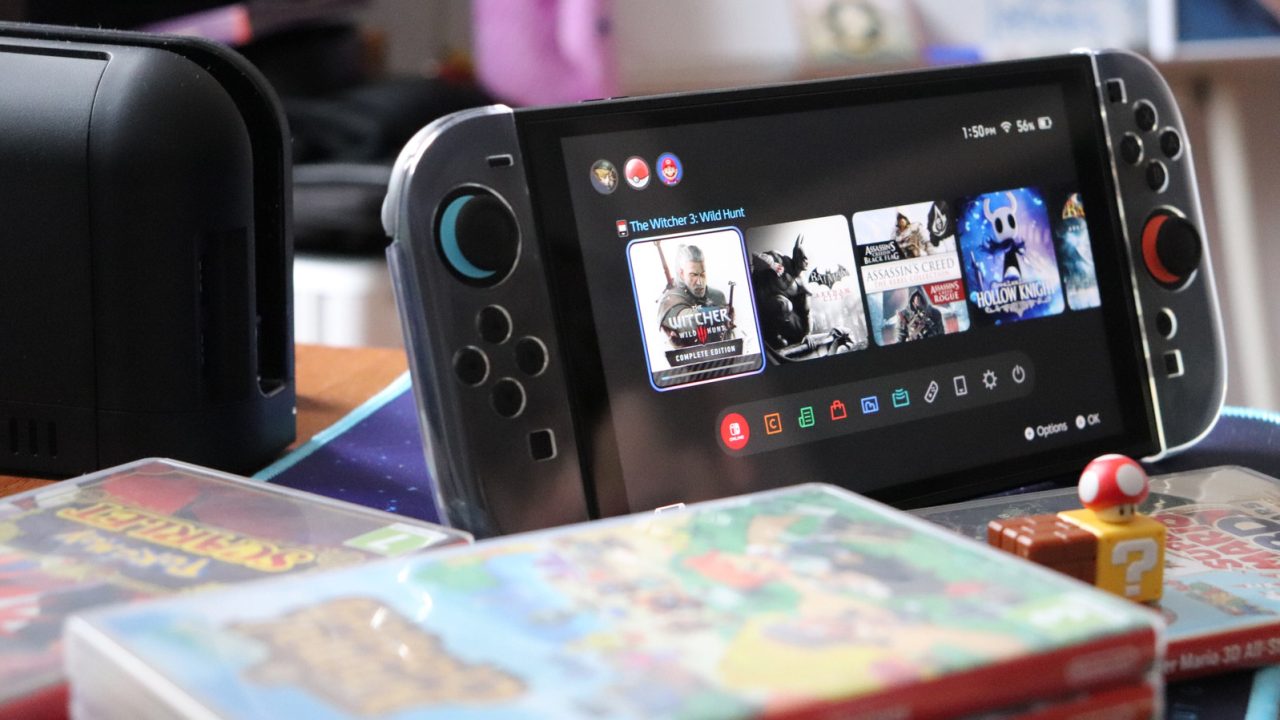
Handheld gaming consoles, such as the Nintendo Switch and Steam Deck, rely on lithium-ion batteries that are susceptible to long-term degradation. While all such devices eventually require a battery replacement or docked usage, specific user habits can significantly shorten the time until this decline occurs. According to a recent analysis by Engadget, avoiding extreme charge levels and managing ambient temperature are key to preserving battery health.
Experts recommend never allowing the battery to drain to zero, as this accelerates the consumption of the limited number of charge cycles available to lithium-ion technology. Although the original Switch model is rated for more than 800 cycles, diminishing capacity is inevitable over time. Nintendo also advises that users charge the device at least once every six months if it is not in active use to prevent a permanent loss of charging capability.
Conversely, consistently charging to 100% should be avoided unless maximum playtime is required for a trip. The optimal charging range for these batteries is typically between 20% and 80%. The newer Switch 2 model includes a system setting that allows users to cap the charge at approximately 90%, helping to preserve battery longevity. However, this limit should be disabled when longer sessions are needed.
Temperature is another critical factor. While most users stay within the official operating range of 41 to 95 Fahrenheit (5 to 35 Celsius), charging the console in extreme heat—such as in direct sunlight or hot vehicles—can accelerate capacity loss. Extreme cold may impact performance but is less likely to cause permanent damage.
Replacing the battery remains a complex procedure. While Nintendo provides an official guide for the Switch 2, the battery is only user-replaceable on specific units marked BEE-001(-01) and requires a proprietary kit and a grounded work surface to avoid static damage. For most other models, Nintendo strongly recommends contacting customer service for repairs. By maintaining proper charging habits, users can extend the usable life of their consoles well into the next generation of hardware.


Finally some concrete advice. I always thought the battery would just degrade naturally no matter what I did.
Does this mean leaving it in the dock overnight is actually bad for the long term health?
Glad they mentioned avoiding deep discharges. I usually wait until the battery icon turns red before plugging in.
This applies to every lithium ion device, not just game consoles. Why is everyone surprised by this?
Skeptical about the DIY battery replacement guide. Too risky for the average person to handle internal components safely.
My battery died completely after three years of neglect. I guess I should have kept it plugged in occasionally.
Nintendo including a charge cap setting on the new model is a huge quality of life improvement.
The 20 to 80 percent rule makes sense, but who actually remembers to stop charging at ninety percent daily?
I never knew temperature mattered so much. I always charged it in my car during summer commutes.