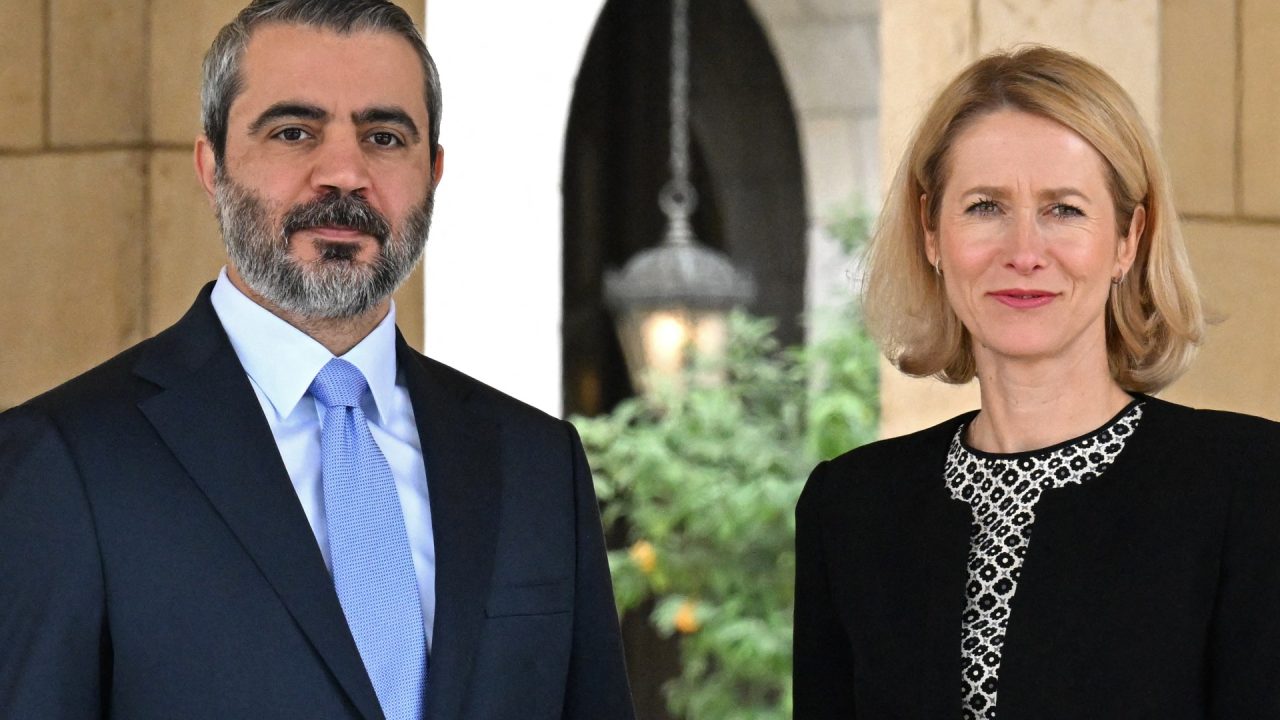
European Union foreign ministers have reached an agreement to revive a nearly two-decade-old cooperation framework with Syria, marking a significant step in normalizing relations with the war-torn nation. Kaja Kallas, the EU’s foreign policy chief, announced on Monday that the bloc intends to provide a structured platform for trade, political engagement, and enhanced collaboration between Europe and Damascus as quickly as possible.
The association agreement in question was originally established in 2008 during the tenure of former President Bashar al-Assad. However, it remained unratified due to widespread concerns regarding the government’s human rights record. Following the fall of Assad’s regime in December 2024, the EU has accelerated its diplomatic efforts to re-engage with Syria’s new leadership. Kallas noted that ministers in Brussels supported proceeding with the agreement and initiating discussions for an updated version.
A diplomatic discussion paper prepared ahead of the meeting highlighted this initiative as one of Brussels’ most ambitious attempts to reshape ties with Syria less than two years after the Assad era ended. Kallas emphasized the strategic necessity of EU engagement, warning that inaction would create a vacuum likely filled by other international powers. While proceeding with talks, she stressed that the new agreement would include strict conditions, particularly regarding human rights standards and the non-recognition of occupied territories in Ukraine and Georgia, which were previously acknowledged by the Assad administration.
This diplomatic move follows a broader shift in EU policy toward supporting Syria’s recovery. In 2025, the 27-nation bloc lifted severe economic sanctions to aid the country’s reconstruction after nearly 14 years of civil war. Earlier in 2026, Brussels committed a two-year funding package valued at 620 million euros ($680 million) to the region. The civil war, which concluded with the end of the Assad family’s 53-year rule on December 8, 2024, resulted in the displacement of approximately 6.8 million Syrians. Since the regime’s collapse, over one million refugees have returned to their homeland, while the broader diaspora continues to evaluate the prospects for rebuilding their lives in Syria.


Interesting move linking it to Ukraine policy. Bold strategy from Brussels, to say the least.
Finally! Normalizing relations helps reconstruction. Fingers crossed this agreement actually sticks this time.
Kallas is right to avoid a vacuum. Other powers will fill that space anyway.
Skeptical about trade deals until we see concrete improvements in daily life for Syrians.
The funding is good, but can Syria handle that many returning refugees so quickly?
Two decades for a deal? Glad they are finally moving forward with the new leadership.
Great to see progress, but will human rights conditions actually be enforced this time?