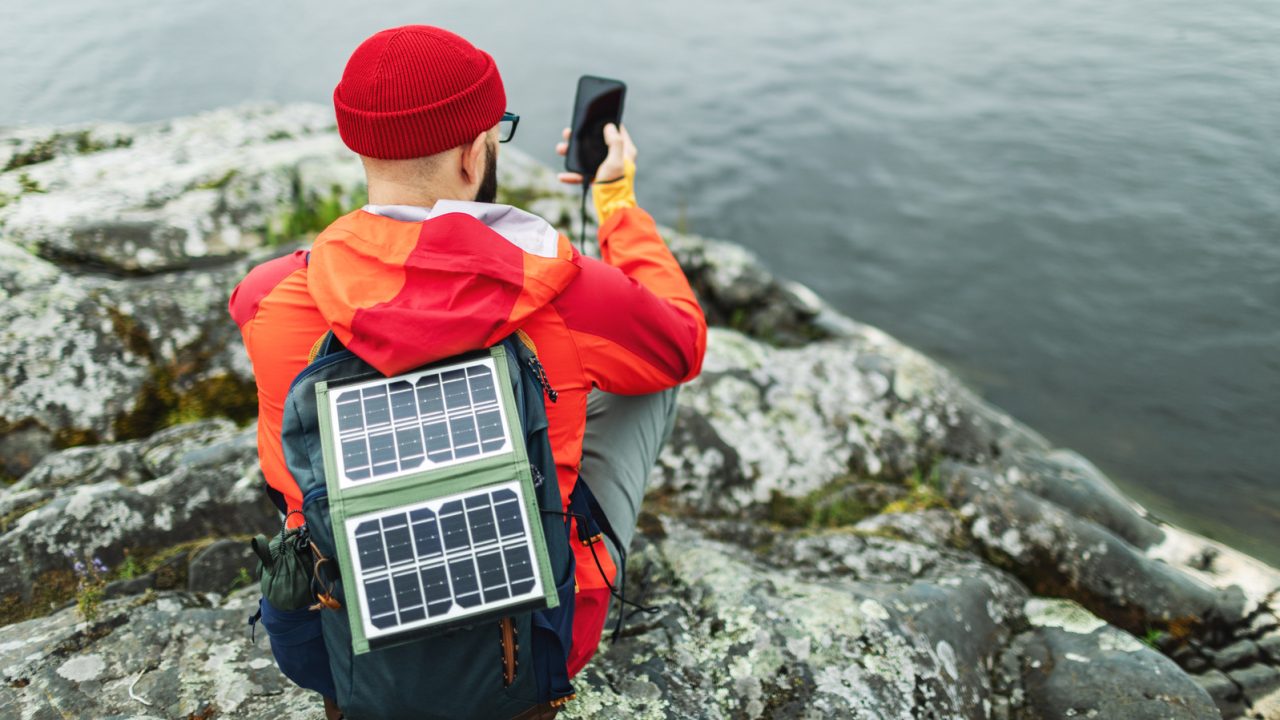
Running out of battery in the middle of a hike or during a power outage can be a source of significant anxiety. While standard power banks offer a temporary solution, they inevitably deplete, leaving devices without energy. Solar-powered chargers provide a sustainable alternative by harnessing sunlight to recharge phones, laptops, and other electronics.
Consumers have three primary options when selecting solar charging hardware. The first is a panel-only charger, which converts sunlight into electricity but lacks the ability to store power. This type is best suited for short-term use in direct sunlight. The second option includes a built-in battery, allowing users to store energy generated during the day for use later. This is particularly useful for multi-day camping trips. The third category is the portable power station, which typically supports multiple devices simultaneously and offers substantial battery storage. Although these units are heavier than simple panels, compact models now exist that weigh as little as four pounds.
When evaluating a solar charger, wattage is a critical factor. Lightweight, portable models generally produce between 15 and 50 watts, which is sufficient for most mobile devices. However, actual output can vary based on environmental conditions such as cloud cover or the angle of the panel relative to the sun, which can affect charging speed.
Portability and design features also influence usability. Buyers should consider whether a device folds or clips onto a backpack for easier transport, or if it includes stands to optimize sunlight exposure. Safety features, including water and weather resistance, overcharge protection, and temperature control, are also essential considerations for outdoor use.


Simple question: do you need a separate inverter to charge laptops, or do these handle everything directly?
Surprised to see such compact power stations now. I thought they were all too heavy for regular hiking trips.
Overcharge protection is non-negotiable for me. I don’t want to fry my new phone while camping in the heat.
Great article, but please mention the cost difference. Power stations can be expensive compared to simple solar panels.
Folding panels are a game changer for backpacking. I clip mine to my pack and never worry about battery anymore.
Skeptic here: most cheap solar chargers are scams. I bought one last year and it barely charged my e-reader.
Do these actually work well under cloudy skies? I live in Seattle and get very little direct sun most of the year.
I use a portable power station for emergencies. It’s heavy, but having backup power for my medical devices is worth it.
Finally, some practical advice on wattage. I always underestimate how important panel angle is for actual charging speed.