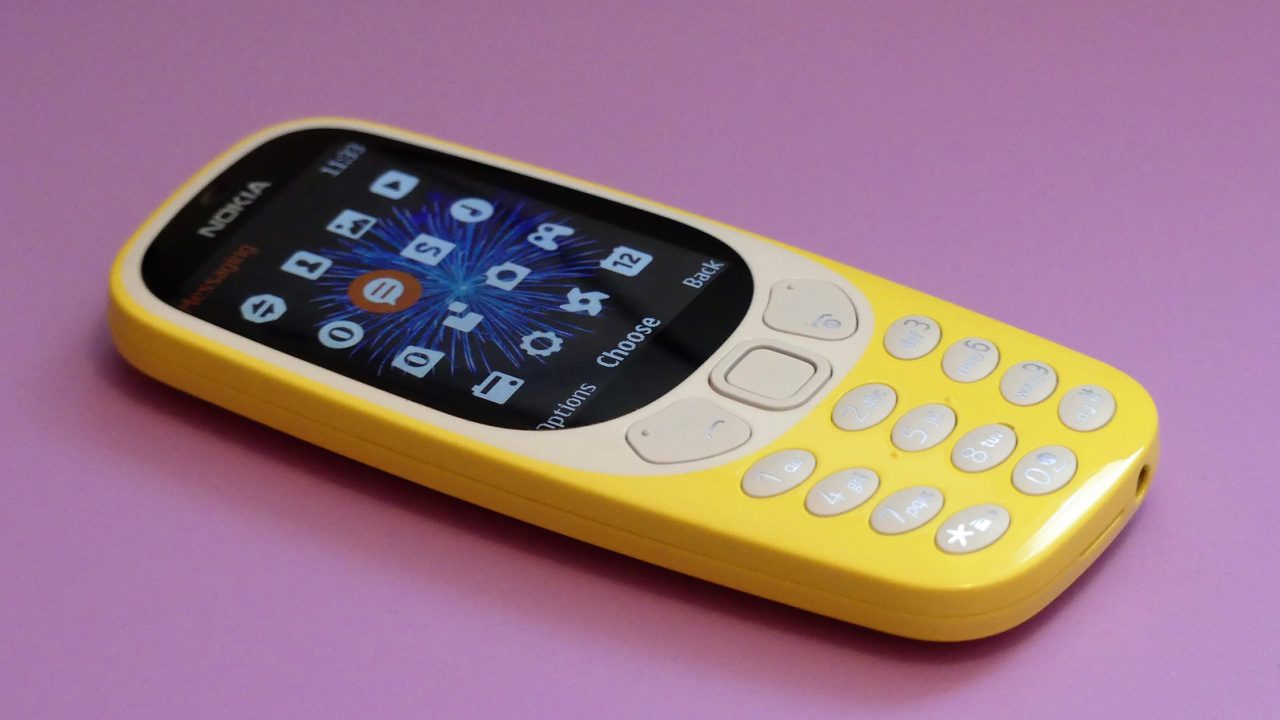
As smartphones become the default mobile standard, a niche but growing interest in ‘dumb phones’ suggests that many users are actively seeking alternatives to the constant distractions of modern devices. These traditional-style handsets, which prioritize basic functions like calling and texting, offer a stark contrast to feature-rich smartphones. In 2026, the decision to own such a device involves weighing significant benefits against practical limitations.
The primary appeal of dumb phones lies in reduced screen time. For individuals struggling with social media addiction or constant notifications, the inability to install most modern applications serves as a hard barrier against digital overload. Additionally, these devices offer exceptional battery life; models like the TCL Flip Go are rated to last up to 14 days on standby, a capability far beyond that of contemporary smartphones, making them suitable for extended travel or outdoor activities.
Privacy and cost are also major factors. Because dumb phones support few or no third-party applications, they minimize the risk of data tracking by advertisers. They are also significantly more affordable, typically costing under $100 in the United States, whereas the least expensive Android smartphones usually command double that price. Some models include basic Android support for limited apps like games or GPS navigation, but they remain far more restricted than standard smartphones.
However, switching to a dumb phone requires giving up considerable convenience. Users lose access to mobile wallets like Apple Pay or Samsung Pay, high-quality portable cameras, and essential service apps such as Uber or Google Maps. Popular streaming services like Spotify and Apple Music are often unavailable. Communication is limited primarily to SMS or RCS, meaning iMessage, WhatsApp, and Telegram are not supported. Furthermore, many users will find it difficult to access banking apps or two-factor authentication tools like Google Authenticator, and most dumb phones are restricted to 4G networks, with 5G support being rare and costly.
While there are valid reasons to embrace a dumb phone, particularly for those feeling overwhelmed by modern connectivity, it is most practical to view it as a secondary device rather than a complete replacement for a smartphone. For most people, maintaining a primary smartphone for daily necessities while using a dumb phone for simplicity remains the most balanced approach.
It is not about losing features. It is about regaining focus. My sanity is worth more than Spotify, sorry.
I use one just for calls. The battery lasting two weeks is wild. My iPhone dies by noon, usually.
No mobile payments? In 2026? That sounds like stepping back twenty years. It is totally impractical for city living.
Screen time is genuinely down 50% for me. The lack of apps is a feature, not a bug, honestly.
Losing two-factor authentication is a massive security risk. I cannot recommend using these as your primary daily driver at all.
I keep a cheap Nokia as my emergency backup. It actually works when my phone battery dies on hiking trips.