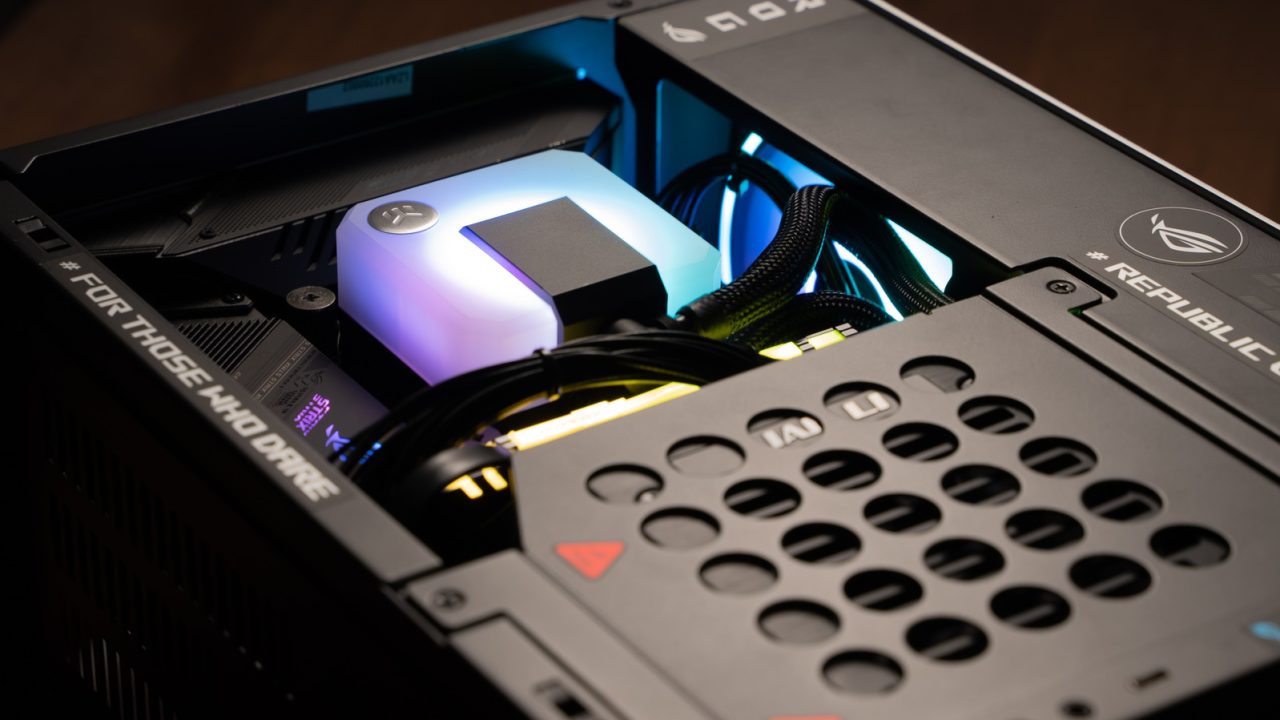
Assembling a custom mini PC presents distinct challenges that often catch enthusiasts off guard, primarily due to the unconventional dimensions of small-form-factor cases. Compatibility between the case and motherboard is a significant limitation; for instance, most mini-ITX cases can only accept mini-ITX boards, whereas microATX cases typically support both mini-ITX and microATX configurations.
Thermal management is another critical hurdle. The compact interior of these cases offers limited space for airflow, making it difficult for components to operate efficiently. This constraint is particularly acute when installing discrete graphics cards, as opposed to All-in-One processors, which can exacerbate heat buildup in tight spaces.
Economics also play a major role in the viability of small builds. Small-form-factor components, including power supplies, motherboards, cooling solutions, and graphics cards, often carry a premium price tag compared to their standard counterparts. These specialized parts can significantly increase the total cost of the machine, making conventional ATX builds a more cost-effective option for many users.
Perhaps the most difficult aspect of the process is the physical assembly. Unlike standard ATX builds, which can be constructed in various orders, mini PC installations require a specific sequence to accommodate tight clearances and part sizes. Builders must exercise greater care and precision during installation to ensure all components fit correctly within the confined space.


The installation order is a nightmare. I broke two screws trying to fit a GPU in last week.
Is it really worth the extra money for a smaller PC if I have desk space? Maybe not.
The price premium for mini ITX parts is ridiculous. Just buy a standard build and skip the headache.
I learned the hard way that tight clearances matter. Always measure your cooler before buying a mini case.