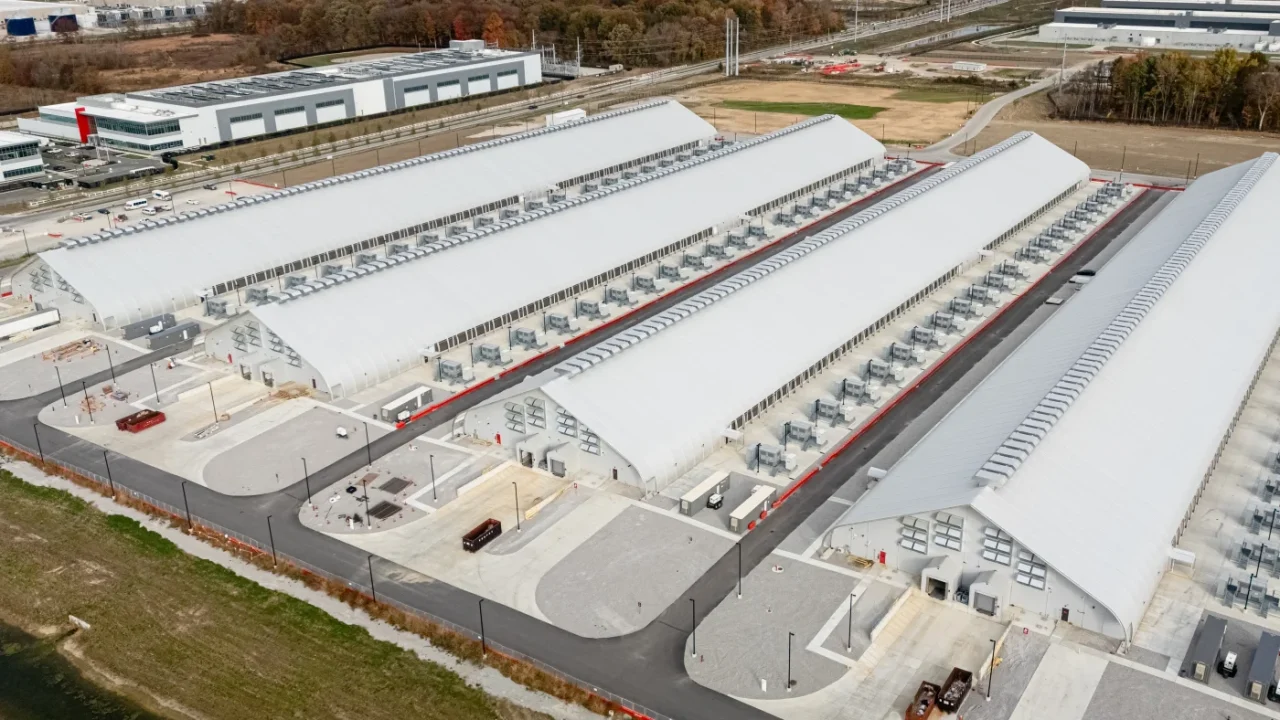
The United States Senate voted to pass a bipartisan energy bill designed to expedite the approval process for data centers and power plants, a move intended to address rising energy costs and increased demand driven by artificial intelligence. The Bipartisan American Affordability and Jobs Act passed by a 62-33 margin on Thursday, with 14 Democrats and one Independent joining the majority of Republicans in favor. The legislation, authored by two Democrats and two Republicans, is now set to move to the House for consideration.
Proponents of the bill argue it will significantly streamline regulatory procedures. West Virginia Republican Sen. Shelley Moore Capito, a co-author of the measure, stated that the passage of permitting reform is a major step toward addressing affordability concerns. Senate Majority Leader John Thune described the bill as a way to cut through decades of red tape, claiming it would save the average household hundreds of dollars annually and boost manufacturing and job creation. Rhode Island Democratic Sen. Sheldon Whitehouse, another co-author, noted that Americans would begin to see relief on energy bills if the House follows suit. Whitehouse also emphasized that the bill requires data centers to pay for the power they consume.
Support for the measure comes as energy costs have climbed sharply, with the cost of a kilowatt-hour increasing by more than 6% in the past year and 39% over the last five years. However, the bill has drawn criticism from environmental groups such as the Sierra Club and the National Wildlife Federation. Opponents argue the legislation weakens environmental accountability and may exacerbate pollution by making it easier to approve oil, gas, and high-energy data centers. Many Democrats have also opposed the bill, citing concerns that it undermines protections for clean air and water.



Saving hundreds a year? Please. That marketing line needs a lot more evidence. I have seen similar promises ignored before.
Data centers paying for what they use is the only part of this bill I can actually accept as a fair deal.
Hurry up and wait. My experience is that these approval shortcuts still take years, just with fewer people signing forms.
I love the bipartisan angle here. Rare to see Democrats and Republicans actually working together on a major infrastructure bill like this.
The Sierra Club is right to worry. You cannot fast-track environmental reviews without accepting massive increases in local pollution and ecosystem damage.
Wait, does this actually lower my bill? I am skeptical that cutting red tape helps regular people instead of just corporate bottom lines.
Finally! AI is hungry for power. We need this infrastructure up and running before the grid completely buckles under the weight of demand.