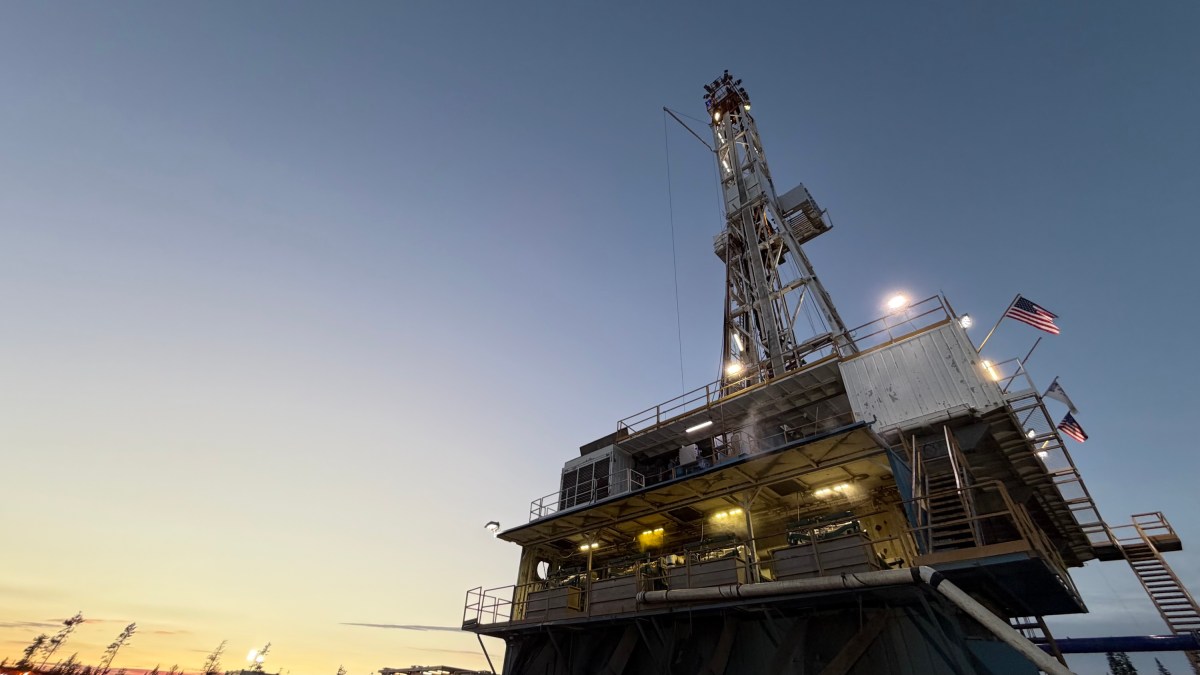
A new wave of geothermal startups is competing to access extreme-depth, high-temperature rock formations to meet the surging energy demands of data centers. On Tuesday, Quaise Energy announced that it had signed Google as a customer, with the hyperscaler paying over $500 million for 50 megawatts of power from a project in central Oregon. The site aims to harness supercritical heat found approximately three miles underground.
The move highlights growing interest in ‘super-hot rock’ geothermal, a technology that exploits the transformation of water into supercritical fluid at extreme depths. This state allows wells to generate significantly more power than traditional methods, with a single well capable of producing 15 megawatts or more. The United States possesses an estimated 57 terawatts of potential generating capacity in this resource, offering a scalable solution for the next generation of AI infrastructure.
Quaise is pursuing a unique approach to drilling, utilizing gyrotron-powered equipment that emits millimeter-wave radiation to vaporize rock into ash. This method is designed to replace conventional drill bits, which tend to wear out rapidly under super-hot conditions, aiming to make deep drilling more cost-effective. The company has raised more than $270 million from investors including Prelude Ventures and Collaborative Fund, with Vinod Khosla participating as an angel investor.
Rival firms are also advancing their own technologies. Mazama Energy, backed by Khosla Ventures and Bill Gates among others, recently announced ‘Carbon Chill,’ a system that uses carbon dioxide instead of water to keep drill bits cool. The CO2 becomes supercritical at depth, absorbing heat and removing debris as it returns to the surface. Mazama has raised $171 million and reported that its technology reduced drilling time by 20% compared to previous methods.
Additionally, XGS Energy received a $30 million grant from the U.S. Department of Energy to refine materials and well designs for reliable operation at super-hot depths. While risks remain regarding the commercial viability of these deep-drilling techniques, early results and major corporate commitments suggest the sector is moving rapidly toward commercial deployment.



The CO2 cooling method from Mazama is brilliant. Using carbon dioxide to handle extreme heat is a clever innovation.
Google paying half a billion for unproven tech is bold. Hopefully the gyrotron drills actually work as promised.