
Anthropic has completed the largest initial public offering in history, defying a turbulent market environment to raise $93.5 billion after underwriters exercised their options. The AI company’s debut on the Nasdaq on Thursday saw its stock surge 17%, closing at $97.17 per share and valuing the firm at approximately $1.8 trillion. This milestone places Anthropic as the seventh most valuable U.S. company, despite being established less than six years ago.
The offering followed a challenging backdrop characterized by the exit of Nvidia CEO Jensen Huang, voter backlash against artificial intelligence in recent midterm elections, and rising interest rates that threatened infrastructure spending. Despite these factors, which the Cboe Volatility Index marked as highly disruptive with a 46% monthly increase, Anthropic proceeded with its listing. By raising $81.3 billion initially and securing an additional $26 billion through a parallel share sale, the company surpassed Elon Musk’s SpaceX, which had previously held the record for the biggest debut.
Investors were reassured by the company’s financial discipline and growth trajectory. Anthropic reported a year-over-year growth rate of 1,200% and demonstrated capital efficiency, having spent only around $10 billion of the more than $140 billion raised from private investors. Byron Deeter of Bessemer Venture Partners, whose firm counts Anthropic as its largest investment, noted that the company stuck to its principles despite the ‘massively disruptive’ conditions.
Dario Amodei, CEO of Anthropic, stated at the Nasdaq that the company aims to prove that prioritizing safety does not hinder commercial success. ‘Today puts the company in a stronger financial position,’ Amodei said. ‘If we can show it’s possible to make the right choices on safety and still build an incredibly successful company, others in our industry will be inspired to do the same.’ The company, which filed confidentially with the SEC in June, now holds over $130 billion in cash and equivalents, reinforcing its ability to continue aggressive spending on computing power.

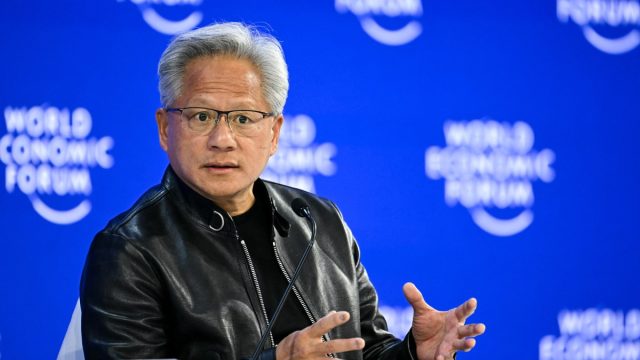

Jensen Huang leaving during such a critical funding round must have added significant pressure for the board.
It is wild that a company less than six years old is now the seventh most valuable.
I wonder how much of that cash pile will be burned on new computing power within two years.
The volatility index spike is concerning, but apparently institutional investors completely ignored those red flags this time.
Prioritizing safety while aiming for commercial success sounds like a tough balancing act to master.
Beating SpaceX in terms of debut size feels surreal. The pace of technology industry changes is mind blowing.
Does this valuation really reflect sustainable growth, or is it just hype surrounding the current artificial intelligence boom?
Spending only ten billion out of one forty billion raised? That discipline is actually quite impressive.
I am shocked they raised so much despite the recent voter backlash against artificial intelligence companies.
Seventeen percent on day one? The market is clearly desperate for any sign of stability in this AI sector.