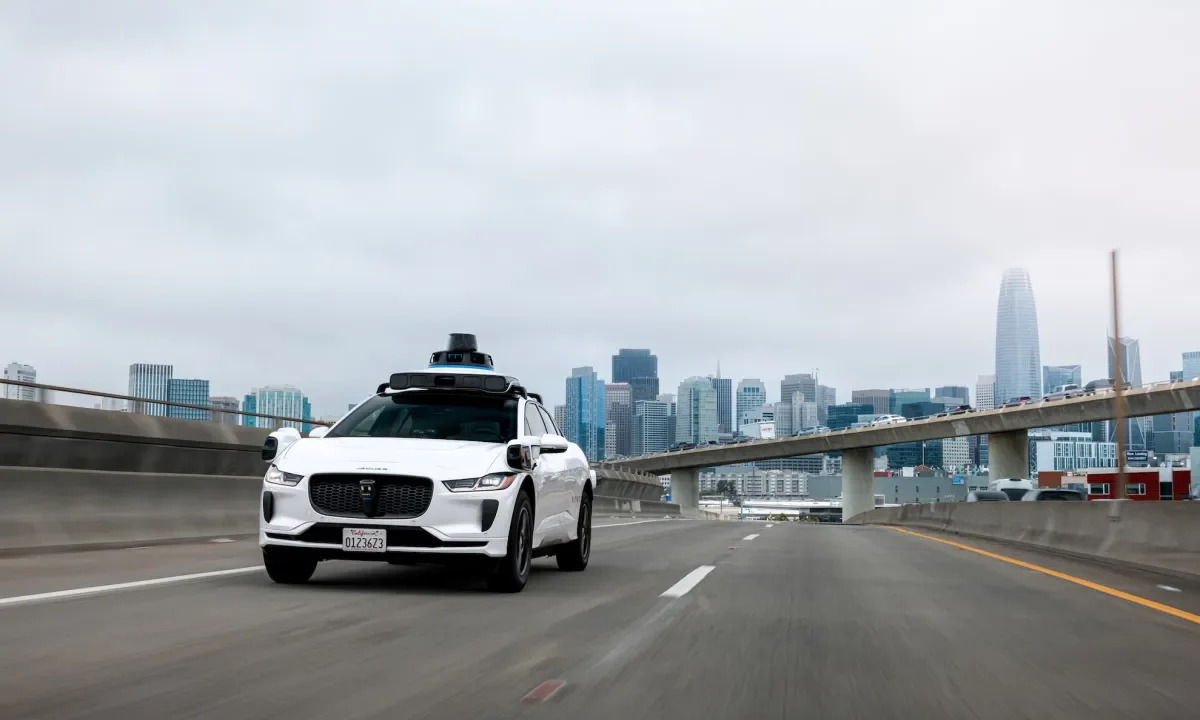
Waymo, the Alphabet-owned autonomous vehicle company, has suspended its robotaxis from operating on freeways in all 15 U.S. cities where it holds commercial licenses. This nationwide precautionary measure was taken in response to a restriction issued by the California Department of Motor Vehicles (DMV) on November 11, which was publicly reported on Tuesday.
The DMV stated that the order was a result of safety concerns arising from multiple incidents where Waymo vehicles entered active construction closures. Specifically, three autonomous vehicles entered a construction zone on U.S. Route 101 near Burlingame, while another incident involved interactions with California Highway Patrol vehicles on Highway 280 in San Francisco. The department declared that Waymo’s driverless freeway operations posed an imminent hazard to public safety, noting that these incidents followed similar events in May 2026 despite previous corrective actions.
Although the restriction legally applies to operations in California, Waymo spokesperson Dana Gallagher confirmed that the company is voluntarily limiting freeway access in other markets to evaluate performance. Gallagher emphasized that the company’s safety protocols are paramount and noted that the recent incidents on U.S. 101 did not result in injuries or collisions. Waymo’s ride-hailing service continues to function on surface streets, handling over half a million trips weekly, while the company works with state officials to resolve the deficiencies that led to the order.
Freeway capability was a significant milestone for Waymo when it launched in late 2025, allowing the service to connect riders to airports and shorten travel times in regions like the San Francisco Bay Area. The company had previously paused freeway operations in May 2026 after its vehicles struggled to navigate construction zones, only to resume the service in July following software updates. The DMV has indicated that the current restrictions will remain in place until Waymo can demonstrate effective corrective actions to address the identified safety gaps.


At least no injuries were reported. We can’t let a perfect score make us ignore real risks.
The DMV order was overdue. Repeated incidents suggest the software updates didn’t actually solve the core issue.
Does this mean my commute to the airport is ruined? Surface streets are so much slower.
I still think self-driving is the future, but construction zones are their biggest weakness right now.
Wait, they resumed in July after updates and still messed up? That feels careless.
Good on them for pausing nationwide. Safety first, even if it slows down the expansion.