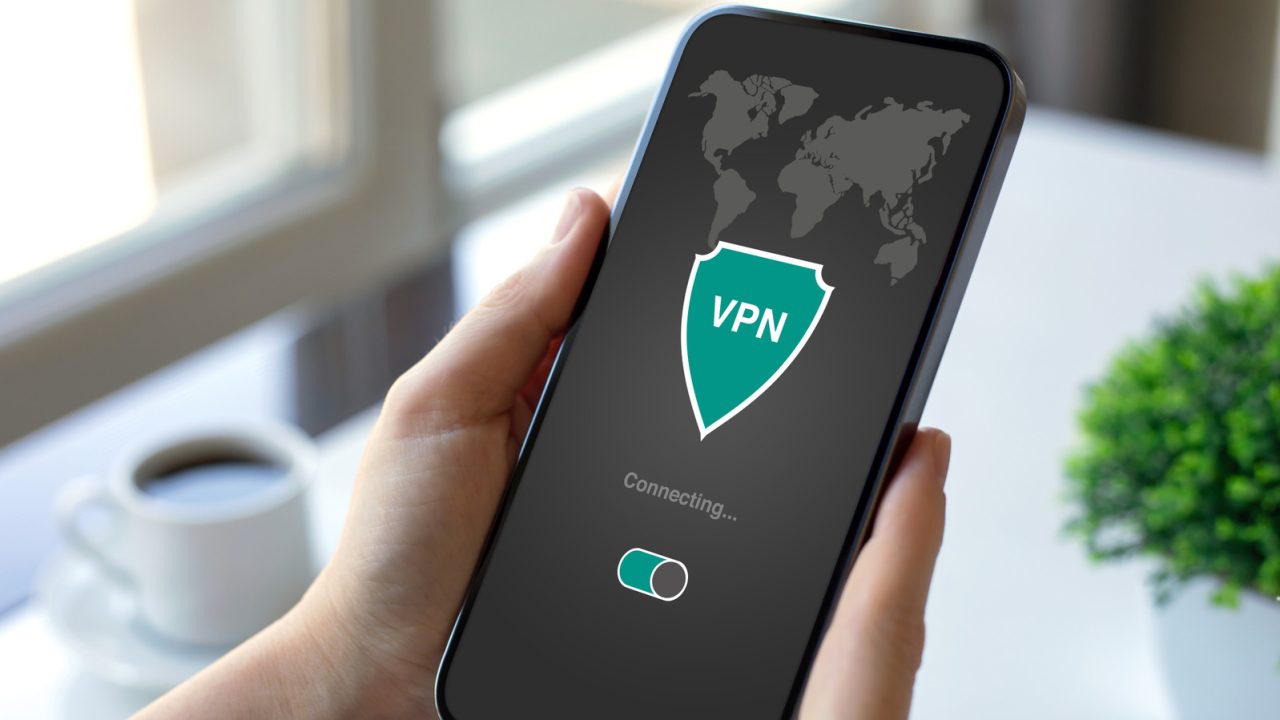
Users frequently choose between installing VPN applications on individual devices or configuring encrypted connections directly on their routers. While a router-level setup routes all household traffic through a single encrypted tunnel, it can introduce latency. Conversely, device-specific apps offer granular control and better performance but require individual setup on every machine.
Configuring a VPN on the router is advantageous for users who want to protect all connected devices simultaneously without managing multiple accounts or sessions. This method is particularly useful for hardware that lacks native VPN support, such as Nintendo Switch consoles, PlayStation 5 systems, and smart TVs running Samsung Tizen or LG webOS. Additionally, some advanced routers allow users to selectively route specific domains or devices through the tunnel, a feature that is rarely available with standard mobile or desktop apps.
However, individual VPN apps are generally preferred for speed and flexibility. Many consumer routers lack the processing power to handle high-speed encryption without significantly reducing bandwidth. Furthermore, device-level connections allow users to quickly switch server locations to access geo-restricted content or temporarily disable the VPN to resolve website compatibility issues, such as CAPTCHA challenges on search engines or HTTP 403 errors. While this approach consumes a separate connection slot for each device and may drain battery life on mobile phones, it provides superior performance for tasks where connection speed is a priority.

Does anyone know if a router setup actually kills your streaming speeds? I worry about latency issues.
I switched to my router for the PS5. No more installing apps on every single device in the house.