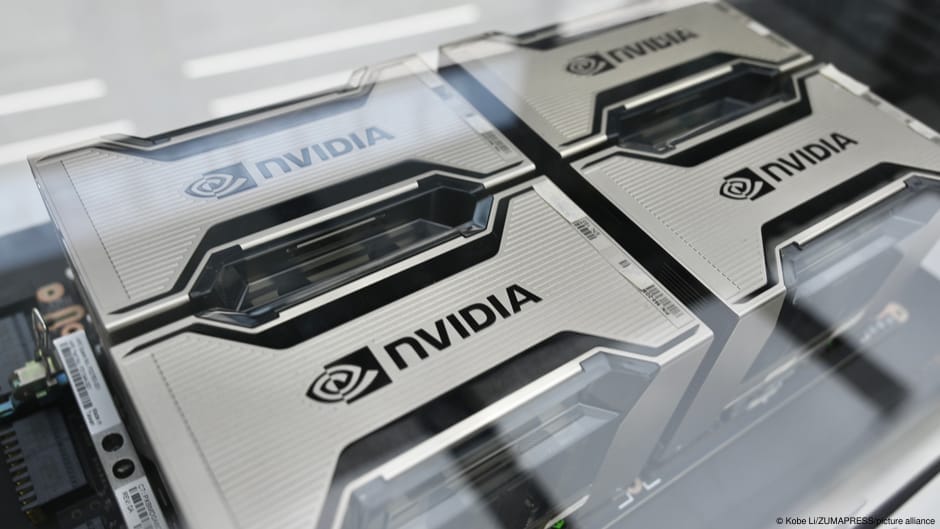
The resignation of Nvidia CEO Jensen Huang has cast a spotlight on the intensifying competition between the United States and China in the artificial intelligence sector. The departure follows revelations regarding extramarital relationships, including an alleged link to a businesswoman suspected by US authorities of spying for Beijing. While the scandal has sent shockwaves through the global semiconductor industry, it has also deepened political divides between the two tech giants.
China has ambitious plans to lead the global AI race, a goal that requires access to cutting-edge chip technology. Vice Premier Ding Xuexiang, who chairs the Communist Party’s Commission on Science and Technology, has been tasked with boosting the country’s technological innovation capabilities to maintain strategic competitiveness against the US. Beijing is currently leveraging AI for domestic surveillance, the development of unmanned weapons systems, and industrial automation.
The United States has sought to maintain its dominance in chip design and manufacturing through a series of export controls. As early as 2023, the Biden administration restricted the export of advanced semiconductors and manufacturing equipment to China, citing national security concerns. Although Washington recently granted Nvidia permission to ship H200 chips to China with a 25% sales cut to the US government, officials are reportedly planning further restrictions to close loopholes that allow Chinese firms to acquire American technology.
Jensen Huang, a 63-year-old entrepreneur born in Taiwan, had become a key AI adviser to US President Donald Trump. He advocated for looser regulations on chip sales to China, where he enjoyed significant prestige. The Nvidia H200 chips, priced at approximately $27,000 each, are significantly more efficient than competing Chinese products. Nvidia estimates demand in China at two million units, representing roughly $5.4 billion in potential sales.
Beijing has denied allegations of espionage, describing them as unsubstantiated smear campaigns. Chinese Foreign Ministry spokesperson Mao Ning stated that China opposes the misuse of export controls that destabilize global supply chains. Ahead of this week’s Asia-Pacific Economic Cooperation summit in Shenzhen, Chinese state media, including the Global Times, criticized US outlets for dramatizing the story without providing hard evidence. Social media users on Weibo have also questioned the political motives behind Huang’s departure.
Behind the diplomatic rhetoric lies a critical economic calculation for China. Approximately 600,000 Nvidia H200 chips are currently held in Hong Kong, awaiting import approval. While the White House has authorized the transfer, Beijing has yet to grant permission. Karson Elmgren, a research manager at the Institute for AI Policy and Strategy, suggested that this delay indicates China’s confidence in its ability to replace US chips with domestic alternatives in the medium term. As China’s AI products increasingly utilize locally made components, the decision to rely on US technology versus supporting domestic industry will shape the future of the global AI landscape.
The timing of this resignation right before the APEC summit feels a bit too coincidental for my taste.
Domestic production is the only real path forward for them, even if the US chips are better right now.
It is funny how much prestige he had in China considering the current political climate and tensions.
I hope this doesn’t hurt supply chains for everyone else. This whole thing is getting way too messy.
Beijing denying it is a standard diplomatic move. We will see if they actually stop importing H200s soon.
The 25% cut to the government sounds like a weird middle ground, but I get why they did it.
Is the espionage angle really true, or is this just political noise designed to justify stricter export controls?
Jensen was a genius at his job. Losing him feels like a massive blow to Nvidia’s future.
China definitely wants to stop relying on US chips. Holding those 600,000 units proves they are patient.
It is wild how a personal scandal becomes such a major geopolitical issue for the AI sector.