Microsoft is marking 25 years of its Xbox brand, a milestone that prompts a review of its hardware evolution since 2001. Over four generations, the company has released nine distinct console models, establishing standards in online gaming, achievement systems, and subscription-based libraries such as Xbox Game Pass. As the next generation of consoles remains uncertain, this anniversary offers a retrospective on how Xbox transformed the gaming landscape.
The original Xbox launched on November 15, 2001, with a price tag of $300. It entered a competitive market alongside the Sony PlayStation 2 and Nintendo GameCube. While the PlayStation 2 became the best-selling console of that era, Microsoft gained significant recognition for introducing Xbox Live in late 2002. For an annual fee of $50, players accessed online multiplayer for titles like Halo: Combat Evolved. By 2003, the service had surpassed 300,000 subscribers within four months, eventually reaching two million users by mid-2005.
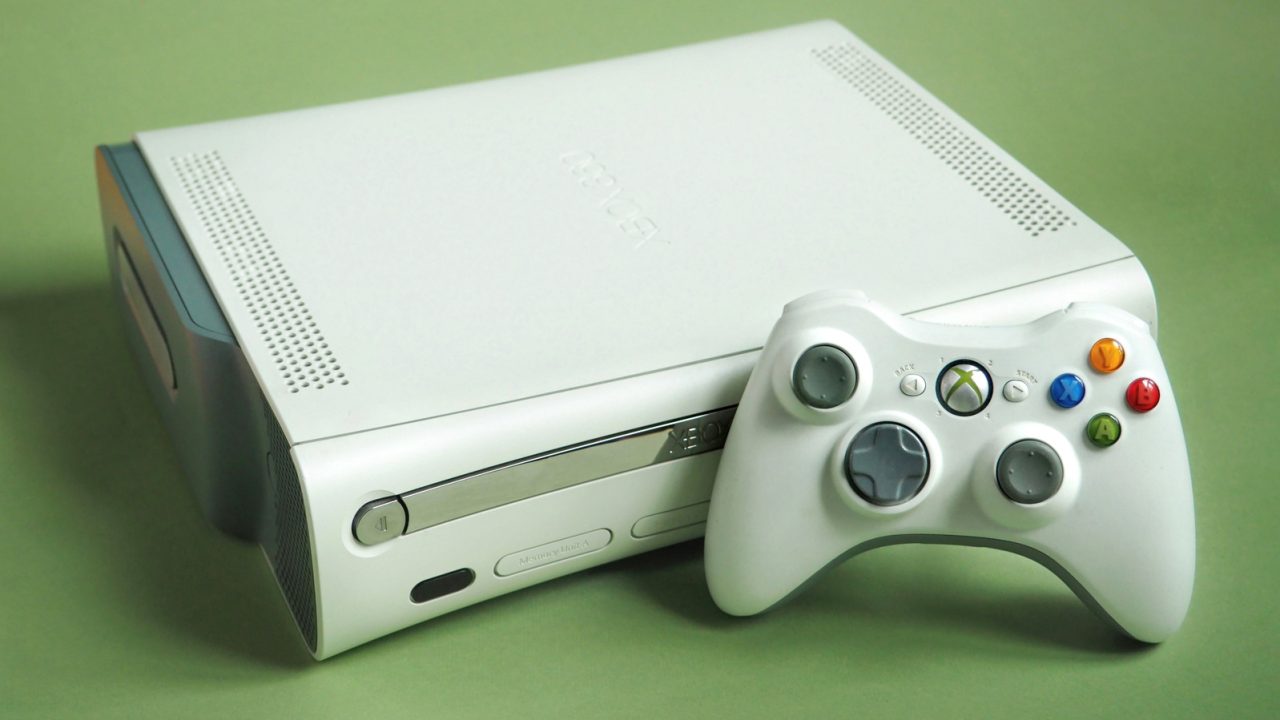
The Xbox 360 debuted on November 22, 2005, in two configurations: a $400 Premium model with a wireless controller and 20GB hard drive, and a $300 Core version with a wired controller and no storage included. In 2007, Microsoft released the Xbox 360 Elite, featuring a matte black finish, a 120GB hard drive, and an HDMI port. Later models addressed reliability issues, including the 2010 360 Slim with improved cooling and up to 320GB of storage, and the 360 E released in June 2013 with a redesigned case. The Xbox 360 remains Microsoft’s best-selling console with at least 84 million units sold, a generation that also introduced achievements and Gamerscore. Additionally, the 2010 Kinect accessory tracked full-body movement, pushing motion controls beyond the limitations of the Nintendo Wii.
The Xbox One launched on November 22, 2013, initially priced at $499 with a bundled Kinect 2.0 sensor. Following consumer backlash, Microsoft reversed its policy of requiring the camera and later reduced the price to $400 in 2014, dropping the Kinect bundle. This generation introduced a built-in Blu-ray player and a 500GB hard drive. Hardware updates included the 2016 Xbox One S, which offered 4K support and a smaller form factor, and the 2017 Xbox One X, Microsoft’s first console to deliver native 4K gameplay with HDR support.
The latest generation, featuring the Xbox Series X and S, launched on November 10, 2020. The $500 Series X promised ultra-low latency, native 4K gaming at up to 120 frames per second, and future 8K support. The digital-only $300 Series S, released later that year, targets budget-conscious and Game Pass subscribers, capping out at 1440p resolution. Current pricing has increased to $500 for the 512GB Series S and $750 to $800 for the Series X depending on the configuration. To commemorate the 25th anniversary, Microsoft released a limited-edition translucent green Xbox Series X, an homage to the original console from 2001.


Nostalgic piece, but did anyone else dread the red ring of death on the 360?
Do you think they will finally announce the next generation soon? The hardware feels stagnant right now.
Still can’t believe I spent hours on that original Xbox. The green glow is a beautiful memory.