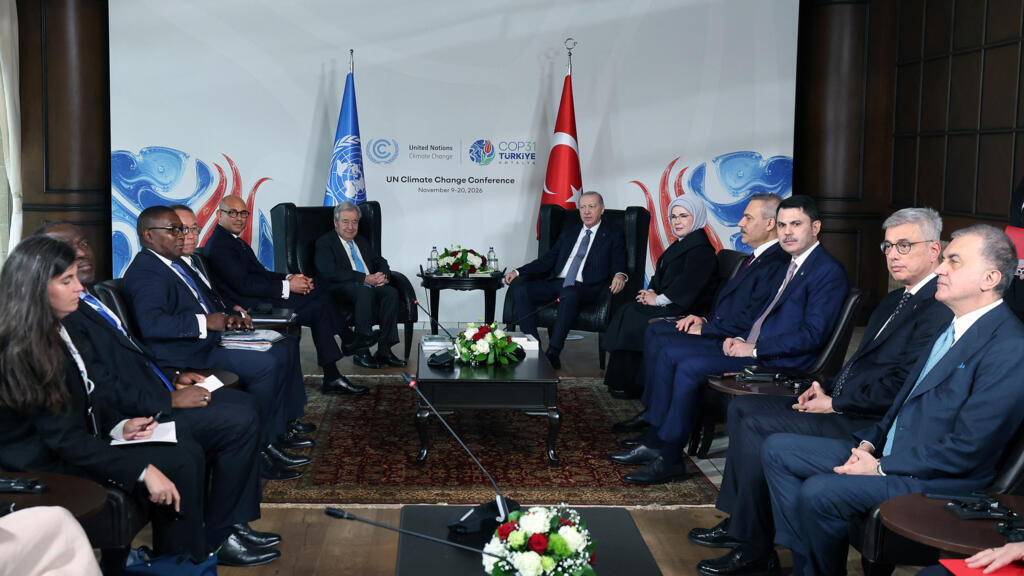
Negotiators attending the COP31 climate summit in Antalya, Turkey, released a draft agreement on Monday to facilitate discussions and bridge gaps between nations regarding fossil fuels and climate financing. The 18-page document is intended to drive dialogue ahead of the official Friday deadline for finalizing a global accord, although previous UN conferences have frequently extended past their scheduled endpoints.
The stakes are elevated following a year of severe climate impacts, including widespread wildfires across Europe and a deadly glacier collapse in Nepal. However, political momentum for environmental action faces headwinds from concurrent global conflicts and the rising cost of living. Chris Bowen, the Australian minister leading the negotiations under a shared presidency with Turkey, acknowledged that the draft includes contentious clauses already rejected by some states. “We need to move the dial,” Bowen stated, emphasizing the necessity of addressing areas where parties currently disagree to foster closer agreement in the coming days.
One of the most significant points of contention involves the future of fossil fuels, the primary source of greenhouse gas emissions. A UN report released last month warned that the world is currently on track to exceed the 1.5-degree Celsius warming threshold, a limit scientists say is crucial for mitigating the worst effects of climate change. The draft includes two alternative phrasings: one reiterating the 2023 commitment to “transitioning away” from fossil fuels, and a more ambitious clause calling for their “phase out.” Bowen noted that while strong feedback on these elements is expected, it is appropriate to include them in the draft to spark necessary conversation.
Beyond fossil fuels, the draft highlights divergent views on a Turkish proposal to increase the share of electricity in global energy consumption to 35% by 2035, as well as disputes over the scale of financial support wealthy nations should provide to developing countries for climate adaptation. Cosima Cassel, a program lead at the environmental think tank E3G, described the draft as comprehensive, suggesting a strategy of including all major elements to allow parties to negotiate trade-offs. She emphasized that the ultimate test will be whether the core components survive the negotiation process in the final decision.
Outside the main negotiations, Turkey also introduced a voluntary pledge regarding artificial intelligence. The initiative seeks to commit nations to developing and deploying AI technologies sustainably, addressing concerns that the rapid expansion of data centers could exacerbate greenhouse gas emissions and strain natural resources. Despite the push for a “responsible” approach, only nine of the nearly 200 countries represented at the summit have signed onto the pledge so far.


Phase out or transition away? The language game is exhausting. Just commit to one clear path already.
Cost of living is killing support for green policies. How do we balance these competing economic realities?
The glacier collapse was terrifying. We need real funding for developing nations, not just vague promises.
Every summit ends in delay. I doubt we get anything concrete before the deadline passes again.
It is surprising only nine nations signed the AI pledge. We are completely ignoring the environmental cost of data centers.