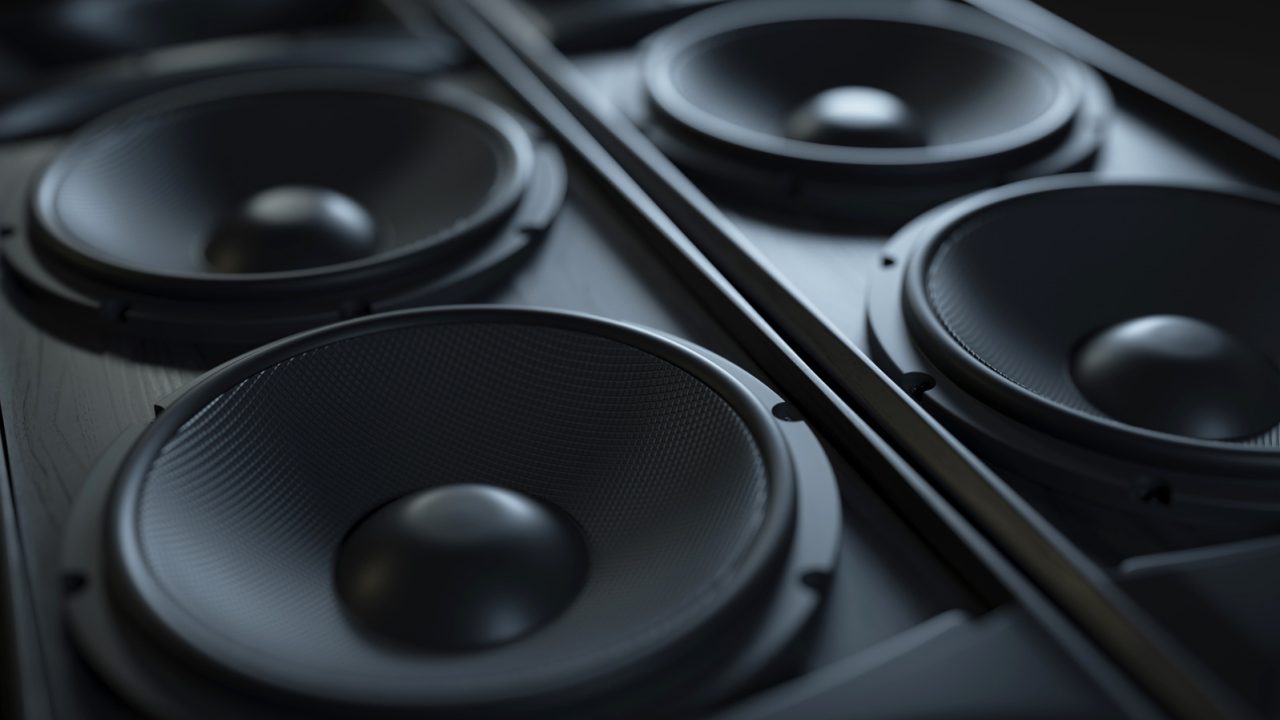
As energy costs rise, consumers are increasingly focused on managing household electricity usage, including the often-overlooked energy footprint of home audio systems. While specific consumption varies by equipment, a typical setup generally operates between 20 and 50 watts in standby mode. This figure can spike to approximately 200 watts when the system is operating at maximum volume, illustrating the direct correlation between playback intensity and power draw.
Basic components such as turntables and CD players consume minimal power, but audiophiles utilizing complex setups—including vintage analog amplifiers and independently powered speakers—often experience higher energy demands. Large home theater configurations also tend to be more energy-intensive. Additionally, keeping battery-powered components plugged in can degrade power cells over time, and USB chargers continue to draw electricity even when not actively charging a device, contributing to overall household consumption.
To accurately assess their setup, experts recommend listing all audio components and consulting manuals or manufacturer websites for wattage and usage data. Users can measure actual power draw using inexpensive watt meters, which act as intermediaries between the device and the wall socket. It is important to record readings at both high and low volumes to capture the full range of energy requirements, as well as to measure standby consumption. Older equipment may lack low-power standby modes, resulting in significant idle energy use compared to modern devices.
Implementing smart plugs can help manage this consumption by providing accurate energy data and allowing users to remotely switch devices off, thereby eliminating standby power waste. Once wattage and daily usage times are identified, users can calculate monthly energy costs using the formula: Daily energy (kWh) equals Wattage multiplied by Hours divided by 1,000. This daily figure is then multiplied by the number of days in a month and the local cost per kilowatt-hour to determine the total expense.
For example, a 100-watt amplifier used for five hours daily for 30 days consumes 15 kilowatt-hours per month. Based on U.S. Federal Reserve data indicating a rate of $0.196 per kWh, this equates to a monthly cost of $2.94, or roughly $36 annually. This calculation helps consumers understand the financial impact of their audio systems and applies to assessing the energy costs of other household electrical devices as well.

Great tip about using a cheap watt meter. I will try this before buying another expensive preamp upgrade.
Skeptical about the 50 watt standby claim. My receiver definitely draws less than that when it is on.
Please stop leaving your phone chargers plugged in all the time. That ghost load adds up more than the audio system.
Smart plugs are the answer. I already use them for my gaming rig, so adding audio gear makes sense.
The math checks out. It is only a few dollars, but every bit counts when utility bills are this high lately.
Are vintage amps really that inefficient compared to modern digital ones? I need to check my manuals for this data.
Surprised that a full home theater setup can hit 200 watts. My old amp feels like a space heater now.
Who actually measures the wattage of a CD player? Just turn off the light and save pennies instead.