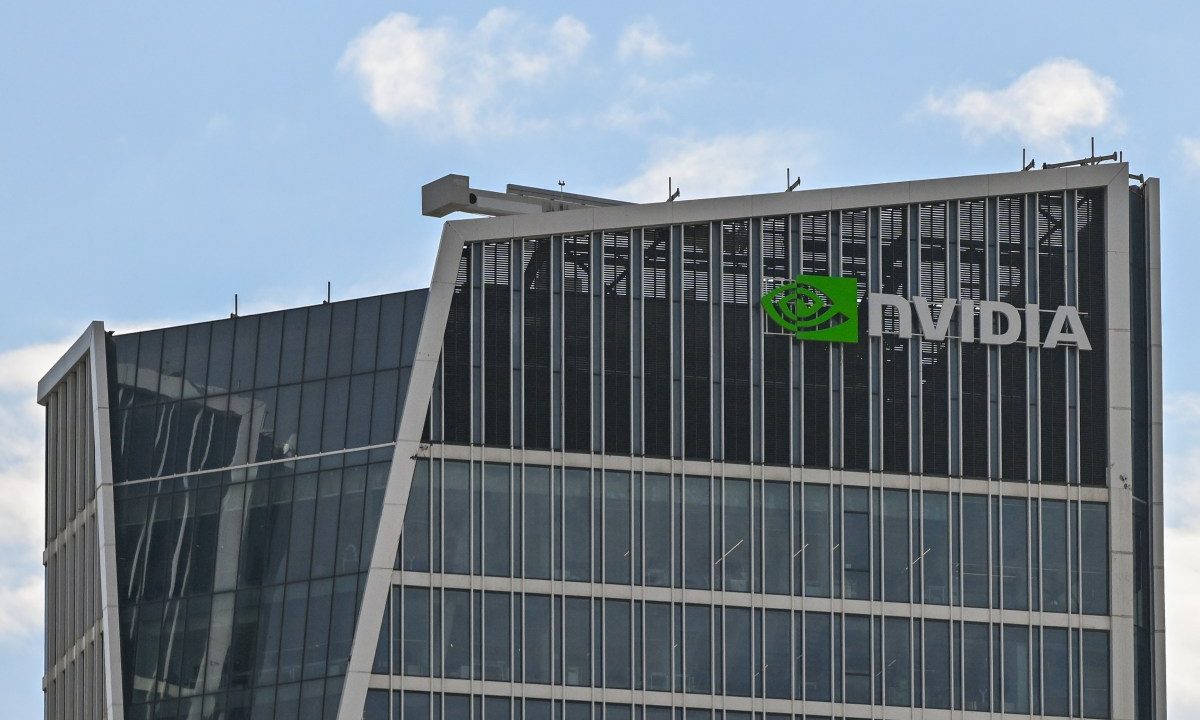
The resignation of former Nvidia CEO Jensen Huang has sparked concern within Israel’s tech sector, where the semiconductor company holds a prominent position. Israel, which Huang previously referred to as Nvidia’s “second home,” relies heavily on the firm’s economic impact, which has recently bolstered national growth forecasts.
Nvidia’s deep roots in Israel trace back to its 2019 acquisition of local chipmaker Mellanox for $6.9 billion. Under Huang’s leadership, the company established its largest R&D facility outside the United States in Israel and initiated plans for a multibillion-dollar campus in the north. Today, the firm employs approximately 6,000 local staff, creating a strong positive sentiment toward the company and its former leader within the Israeli tech community.
However, the leadership vacuum has raised questions about whether Nvidia will maintain its current level of commitment to Israel. Investors and industry observers are closely monitoring the succession process, noting that while interim CEO Colette Kress has historically prioritized Israel-related meetings, the long-term strategic direction under a new leader remains uncertain. Potential successors include Israeli nationals Johny Srouji and Michael Kagan, although the final decision is still pending.
Despite the uncertainty, market analysts suggest that demand for Nvidia’s hardware, particularly the GPUs essential for training large language models, is unlikely to diminish. However, the transition may slow decision-making processes, potentially opening a window for competitors. Yanai Oron, a general partner at Vertex Ventures Israel, noted that if leadership instability causes a slowdown in broader AI spending, challengers might capture a larger share of a potentially smaller market.
Adi Levanon, founder and managing partner at Selah Ventures, emphasized that while Huang’s departure does not dismantle Nvidia’s existing technology ecosystem, it provides rivals with more room to influence future developments. This shift is particularly relevant as enterprises increasingly deploy demanding AI agents, driving interest and venture capital funding toward developers of alternative AI-specific chips and inference software.
“These challengers now have a window to prove a different approach delivers better economics; a leadership change alone won’t win them the business,” Levanon stated.

Remember they bought Mellanox years ago? Their roots here are deep. I doubt they will walk away now.
I still think Nvidia has too much of a head start. A leadership change won’t fix their supply chain issues quickly.
Is this actually a good thing? Maybe competitors can finally get a fair shot at the market now.
Honestly, I was surprised to see Huang leave so suddenly. I hope the new leadership continues supporting Israeli startups.