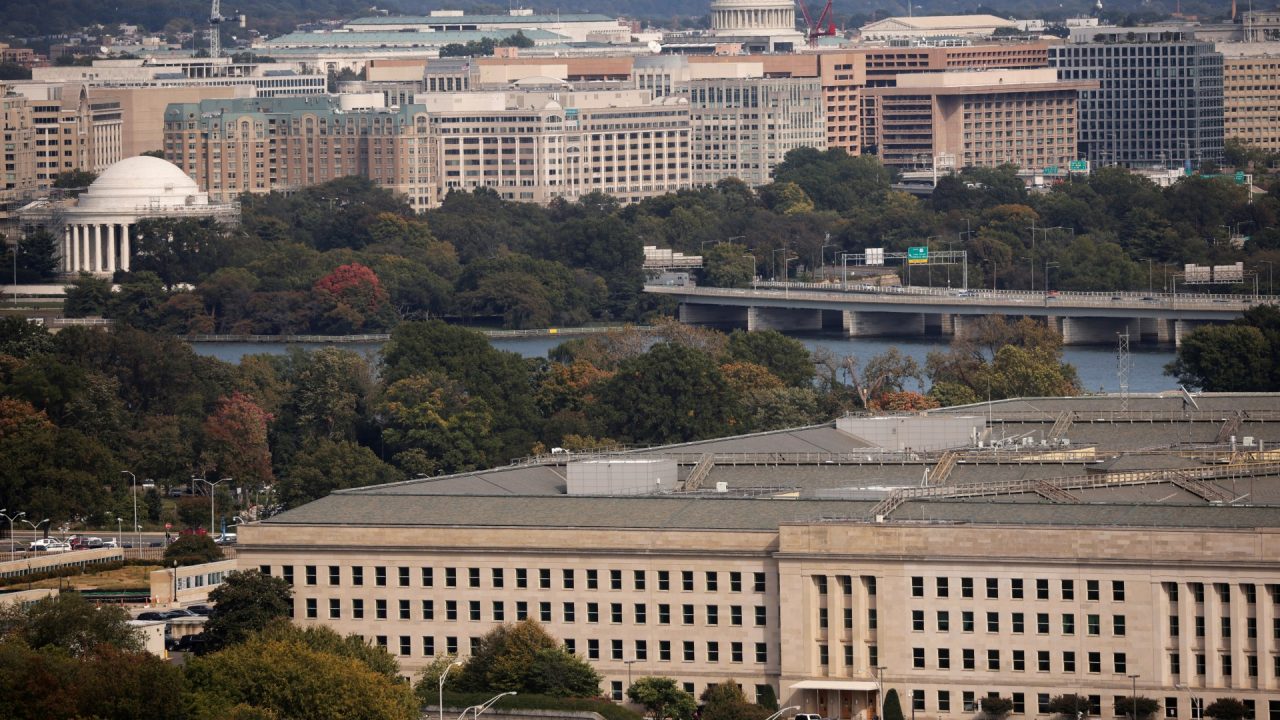
Democratic officials in the United States are leveraging their strengthened position following the midterm elections to push for the removal of a controversial provision from the Pentagon’s funding bill. The measure, included in the Fiscal Year 2027 National Defense Authorization Act (NDAA), would codify a “United States-Israel Defense Technology Cooperation Initiative” designed to accelerate bilateral defense research and industrial integration.
Policy advocates argue that Democratic leadership, including Senate Minority Leader Chuck Schumer, must condition their support for the $1.15 trillion defense package on the deletion of this section. The provision has drawn criticism from progressive groups and some lawmakers who view it as an opaque method for channeling taxpayer funds to Israeli entities while bypassing standard congressional oversight.
Cavan Kharrazian, a senior policy adviser at Demand Progress, emphasized that Democrats possess significant leverage due to the procedural requirements for passing the bill, which mandates 60 votes. With a December 11 deadline looming for current stopgap funding, Kharrazian stated that Democrats must commit to blocking consideration of the NDAA until the US-Israeli integration provisions are fully stripped out, rather than relying on simple amendment votes.
Rep. Adam Smith, the ranking Democrat on the House Armed Services Committee, has called for a more sustainable approach to national security that does not rely on a defense budget exceeding $1 trillion or on drastic cuts to domestic programs. While some Democratic leaders have yet to publicly clarify their stance on the specific Israel-related provision, a growing coalition of senators, including Bernie Sanders and Ron Wyden, has signed a letter opposing the measure. The letter warns that deepening technological dependencies with Israel could threaten US national security interests and contradict American values, particularly given the ongoing conflict in Gaza.
Opponents of the initiative note that the current political climate makes supporting direct military aid to Israel increasingly fraught for legislators. With Democrats set to take control of both chambers of Congress in January, the coming days of the current session present a critical window to reshape the defense funding landscape before it becomes entrenched law.



Can anyone explain if removing this provision actually saves significant taxpayer money or is it mostly symbolic?