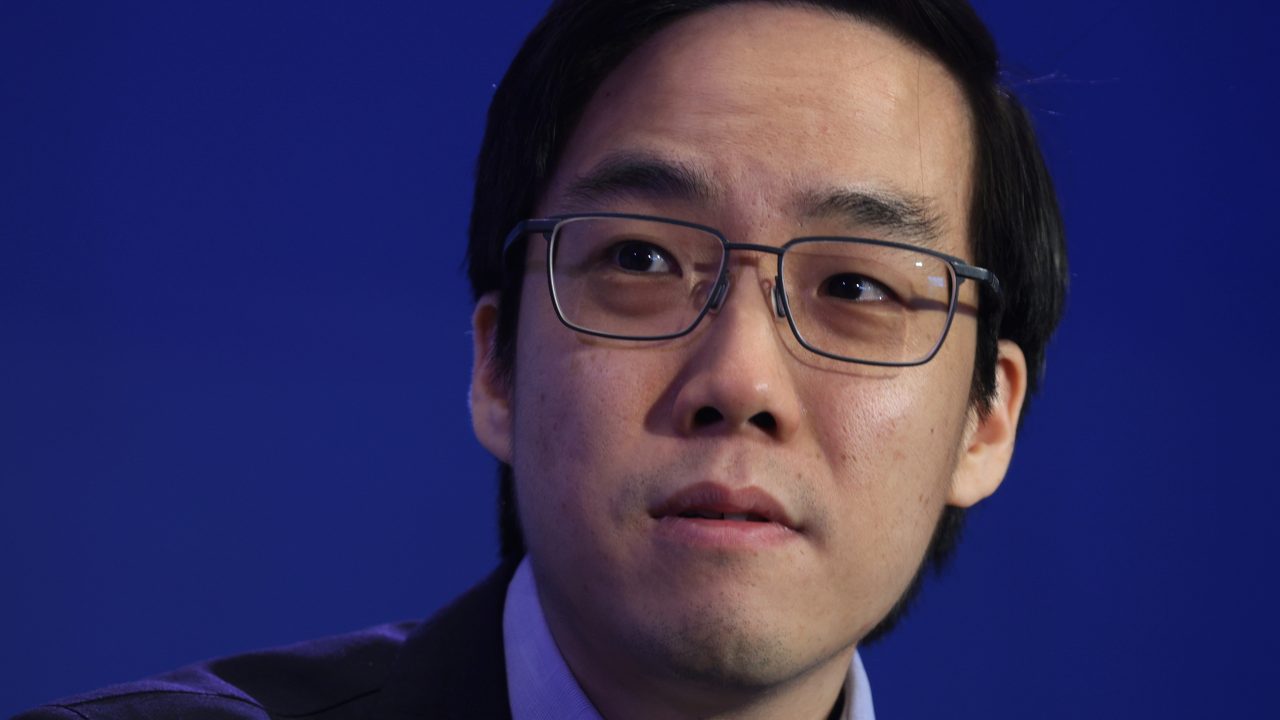
Swiss privacy technology firm Proton is navigating a significant reputational challenge following the release of a report by 404 Media that highlighted internal communications from CEO Andy Yen. The detailed account, based on leaked Slack messages and interviews with anonymous insiders, revealed Yen’s push to integrate artificial intelligence into development at a rapid pace. Reports indicated that Yen dismissed suggestions for extended penetration testing as “loser thinking,” arguing that companies must focus on speed and leverage AI rather than “handcrafting” code.
The controversy has resonated deeply within Proton’s user base, which is largely composed of individuals seeking alternatives to major tech companies for stronger privacy guarantees. Proton, founded by CERN engineers and primarily owned by the nonprofit Proton Foundation, markets itself on the principle of placing people over profits. The company’s primary value proposition remains its zero-access, end-to-end encryption architecture, which ensures that neither the company nor any AI tool can access user emails, files, or passwords.
In response to the backlash, which included the creation of a dedicated megathread on the company’s active Reddit community, Yen issued a public apology for his “hurtful” remarks. He emphasized that the company’s use of AI will never compromise security, stating that additional layers of security review were added in the past year to counter threats from hostile AI systems scanning open-source code for vulnerabilities. The company asserted that its security governance policies have remained unchanged since June 2024 and that all code changes, whether written by humans or AI agents, undergo the same automated scans and human approvals.
Proton argues that adopting AI for security is now a necessity in the face of evolving cyber threats. The company contends that attacks once requiring nation-state resources can now be executed by individuals with access to advanced tools, making manual defense strategies insufficient. Proton utilizes its own models alongside services from OpenAI and Anthropic to identify vulnerabilities and monitor an expanding attack surface.
Despite the company’s technical reassurances, the incident has raised questions about whether the pressure for AI velocity could override the judgment of engineers responsible for product security. While Proton’s architecture remains solid and its staff intact, the public display of management priorities has made restoring customer confidence a long-term challenge. Analysts note that for privacy-focused users, the incident has forced a reevaluation of trust, with some migrating their secondary accounts to alternative providers like Fastmail, Tuta, or Mailfence.


Good to see they reaffirmed the layered review processes. But the damage to their reputation is already done.
Wait, are they actually using OpenAI for their code? That feels like a weird contradiction to their privacy promises.
The apology seems a bit late, don’t you think? The internet has a very short memory regarding trust issues.
I moved my main account to Tuta yesterday. It takes just one bad remark to lose years of hard-earned trust.
Honestly, AI speeds up vulnerability discovery too. Ignoring that threat landscape is not smart security management at all.
Why would a company built on security culture ever cut corners? It makes the whole brand feel very hollow now.
The zero-access architecture still holds, so I am sticking around. But yes, the tone from leadership was truly unprofessional.
I cannot believe he called thorough security testing ‘loser thinking.’ That is a huge red flag for any privacy enthusiast.