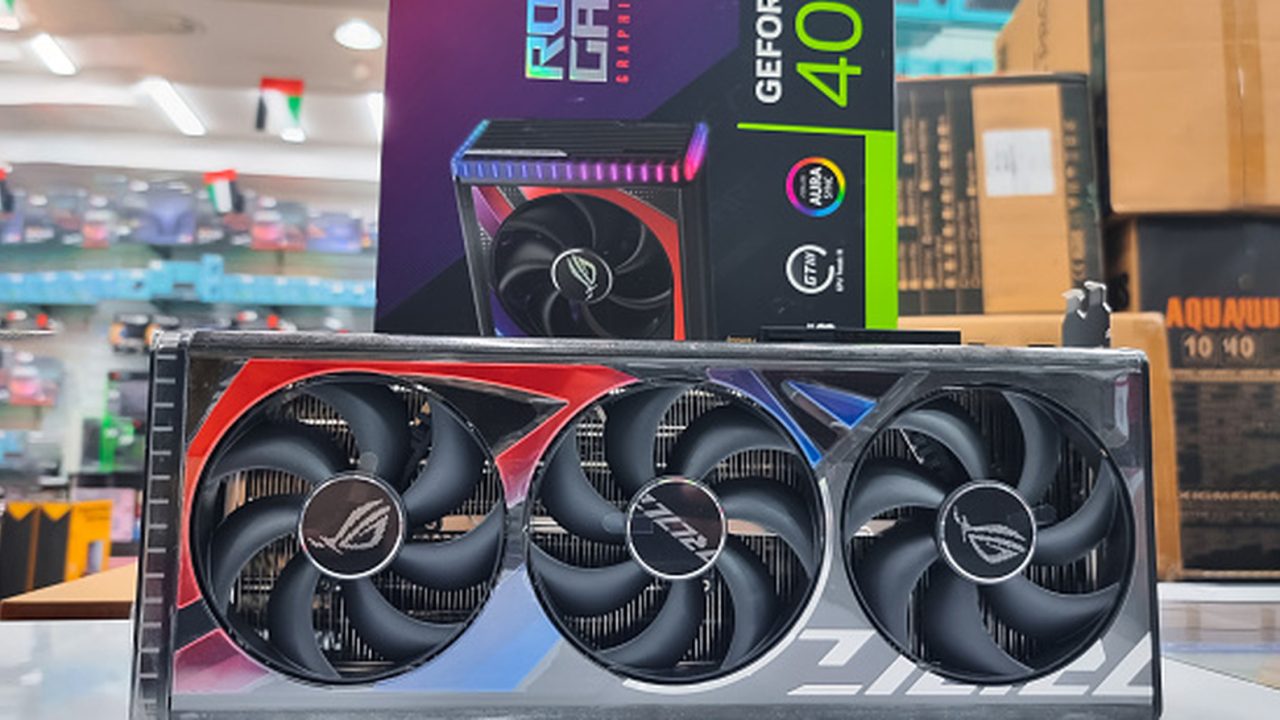
Explosive demand for graphics processing units (GPUs) in the artificial intelligence sector has created a fertile ground for fraud, leaving buyers vulnerable to widespread scams. As memory prices surge and older GPUs become valuable commodities, fraudulent listings have proliferated on both online marketplaces and in physical retail environments. Victims have reported receiving non-functional items, such as bags of pasta or mere photographs, instead of the ordered hardware, while some repair shops have discovered empty shells with memory components removed from traded-in units.
To mitigate these risks, consumers are advised to approach ‘too good to be true’ deals with skepticism. When purchasing from platforms like Facebook Marketplace or eBay, buyers should verify that stock photos are not lifted from other sources by using reverse image search tools. Requesting unique, angled photographs and videos from the seller can help confirm the item’s authenticity, while any attempt to rush the purchase or avoid specific questions serves as a significant red flag.
For in-person transactions, testing the hardware before completion is the most effective safeguard. Buyers are encouraged to arrange meetings in locations where a test rig can be set up, such as local tech shops or libraries. Using diagnostic software like HWiNFO to run a 15-minute stress test allows purchasers to verify peak temperatures, clock speeds, and overall system stability before finalizing the deal.
When online purchases are unavoidable, utilizing platforms with robust buyer protection features is recommended. However, caution remains necessary as scammers increasingly exploit tracking systems by providing fraudulent shipping identifiers that match local delivery codes, complicating refund processes. Engaging with sellers who have verified feedback and demanding proof of stress tests before payment remains the best defense against financial loss.

Too good to be true usually is. Just save up for a legit retailer price and avoid the drama.
Maybe the prices would stabilize if AI companies stopped hoarding every single card they can find.
The fake tracking numbers are a nightmare. Even Amazon protection doesn’t stop the most creative fraudsters.
Are libraries really open to letting people stress test hardware? Sounds like it would get crowded.
I always request a live video call before buying. It takes five minutes and saves so much trouble.
The bag of pasta thing actually happened to my neighbor. Insane how far these scammers will go now.