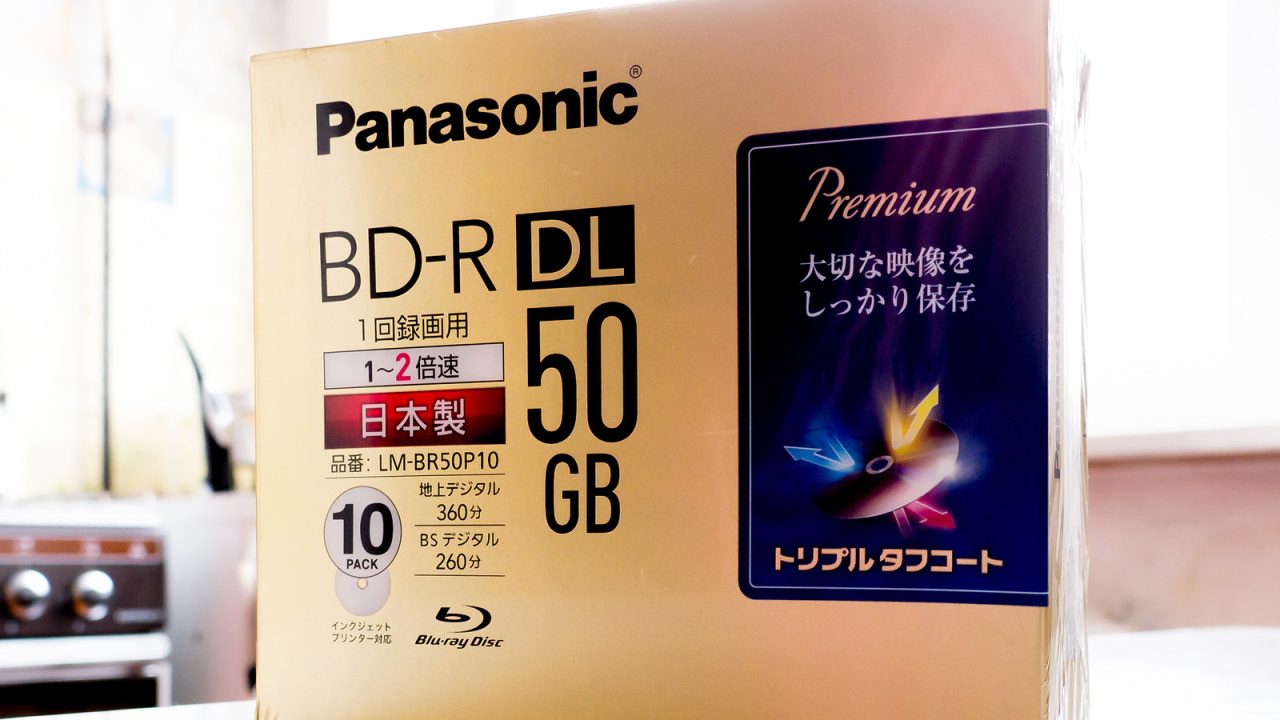
Despite the dominance of streaming and cloud services, recordable Blu-ray discs remain a preferred format for cinephiles and long-term archiving due to their superior media quality and affordability compared to escalating flash memory costs. However, consumers considering this format for irreplaceable data must weigh their durability against significant long-term risks.
The primary threat to physical discs is ‘disc rot,’ an umbrella term for various forms of chemical and physical decay, including oxidation of reflective layers, moisture-induced mold, and delamination. Ultraviolet exposure can also degrade labeling. According to data from the Canadian Conservation Institute, standard low-cost BD-R discs have an average lifespan of only five to 10 years, making them unsuitable for critical archival purposes where external SSDs often offer longer durability and higher storage capacities.
Higher-quality discs, identifiable by their dark gray or grayish-brown appearance, utilize a silicon and copper alloy recording layer and gold metal substrates. These premium media types are estimated to last between 10 and 20 years. Rewritable BD-RE discs may endure for as long as 20 to 50 years, though such timescales introduce new logistical challenges.
Beyond chemical stability, optical media remain physically fragile. Unlike external SSDs housed in metal enclosures, discs are susceptible to cracking, scratching, or accidental damage during transit and storage. Furthermore, the industry landscape is shifting; optical drives have largely disappeared from new computers, and major manufacturers, including Sony, are scaling back production of recordable optical media. This decline in hardware support raises concerns that future operating systems may lack compatibility with current drives, potentially rendering even well-preserved collections inaccessible.
Experts advise against relying on a single storage medium for critical files. The prevailing best practice is to maintain a copy in the cloud alongside two separate local backups on different storage types, ensuring data remains migratable and accessible regardless of hardware obsolescence.


My grandfather’s VHS tapes are just dust now. Blu-rays seem better, but the lack of drivers worries me.
Always keep three copies: cloud, SSD, and maybe a disc. Diversification is the only way to go.
Why do we still make discs if nobody wants them? The industry shift is really concerning for archivists.
Scratches kill me. I dropped a disc once and now it skips every few minutes.
I use BD-RE discs for my family photos. Fifty years is a long time, but still feels risky.
Five years for cheap discs is shocking. I have a whole shelf of movies that might rot soon.
Cloud storage prices keep going up, so physical media makes sense. But I worry about the hardware disappearing completely.
Just bought a new laptop and found no optical drive slot. How do we even read these discs anymore?