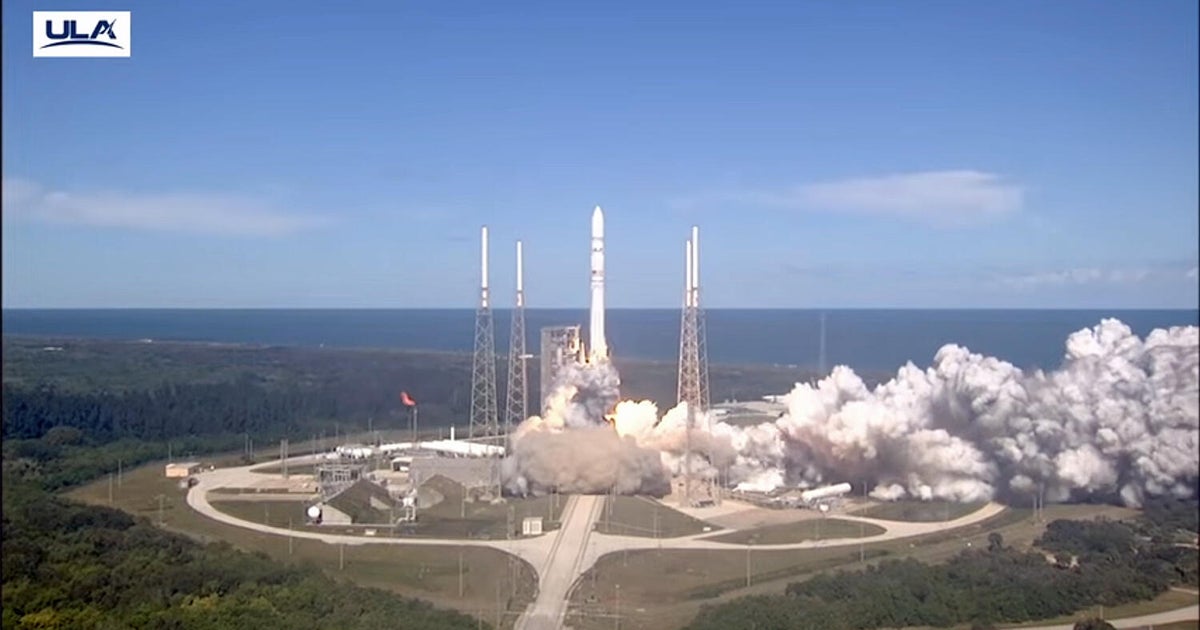
United Launch Alliance confirmed on Sunday that its new heavy-lift Vulcan rocket experienced a critical malfunction during its ascent, resulting in the loss of the vehicle and a payload of 40 Amazon Leo internet satellites. The incident represents the first outright failure of a ULA rocket since the company was formed in 2006 as a partnership between Boeing and Lockheed Martin. The launch, which took off at 12:40 p.m. ET from Space Launch Complex 41 at the Cape Canaveral Space Force Station, ended when the vehicle suffered an anomaly approximately 10 minutes into the flight, preventing the payload from reaching orbit.
The failure occurred during the burn of the Vulcan’s hydrogen-fueled Centaur upper stage. While the Northrop Grumman solid-fuel strap-on boosters appeared to function normally, the methane-burning BE-4 first stage engines fired longer than scheduled, and the first stage separated from the upper stage later than planned. ULA stated that it is collaborating with Amazon and other agencies to investigate the cause and implement corrective actions to return the rocket to service as quickly as possible.
The launch was the first of 38 Vulcan flights contracted by Amazon to deploy its Leo satellite constellation, which is designed to compete with Elon Musk’s Starlink and other space-based internet services. Amazon had previously used eight Atlas 5 rockets for similar missions and has also secured launch slots with Blue Origin and SpaceX. The failed flight would have increased the total number of deployed Leo satellites to 436, out of the more than 3,300 required to complete the constellation.
Amazon is now facing delays not only from the ULA investigation but also from Blue Origin, which is working to get its New Glenn rocket back in flight following a catastrophic on-pad explosion in May. NASA Administrator Jared Isaacman expressed support for ULA, stating that the agency is available to assist in the investigation and remediation efforts, noting that the nation’s space programs rely on the company’s capabilities.
The path to Sunday’s launch was marked by several interruptions, including a scrubbed Friday attempt due to a nitrogen plant issue and a Saturday delay caused by network problems. On the day of the launch, controllers called a hold at T-minus 20 seconds due to an unexplained technical issue, but the problem was resolved, allowing the rocket to launch at the end of the window. It remains unclear if that pre-launch hold contributed to the subsequent failure.

Amazon still has SpaceX backups, right? This delay might actually help them adjust their constellation plan.
Was here when they launched. Heard the rumble for ten minutes then suddenly it stopped. Pretty sad to witness.
Forty Amazon satellites gone in one shot is painful. Hope they figure out the BE-4 engine timing issue soon.