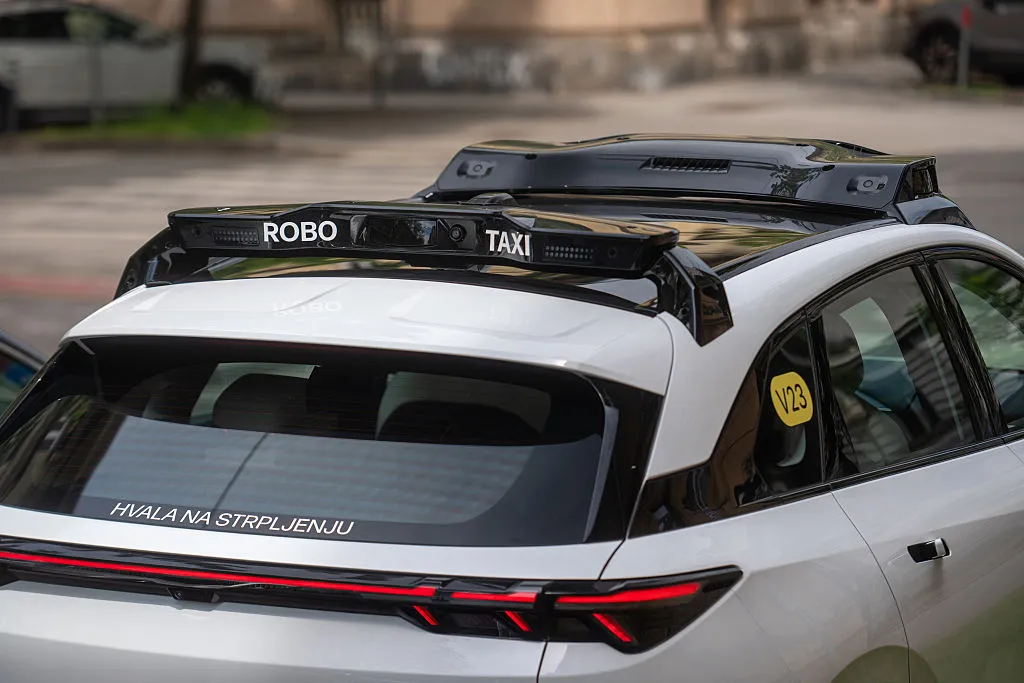
The recent departure of Jensen Huang, the founder and CEO of Nvidia, has triggered a reassessment of strategic dependencies within China’s autonomous vehicle sector. Industry leaders in China are now prioritizing domestic chip alternatives to mitigate the risks associated with potential tightening of U.S. export controls on Nvidia hardware, a pivotal supplier for the global self-driving ecosystem.
Leo Wang, the Chief Financial Officer of Chinese autonomous vehicle company Pony.ai, confirmed that the firm is actively adjusting its strategy in response to these geopolitical and corporate developments. While demand for AI computing power currently outstrips supply, Wang stated that the company is directing engineers to maximize efficiency by utilizing mid-tier compute resources instead of high-end Nvidia processors where possible. Additionally, Pony.ai is increasing its integration of domestically produced chips to ensure operational flexibility and continuity.
Wang noted that the Chinese technology ecosystem has been maturing over the past two years, allowing firms to cultivate robust ‘Plan B’ strategies. Although domestic alternatives may not yet match the cost-effectiveness of Nvidia solutions, he argued that these localized options are now sufficiently mature to serve as viable backups should export restrictions tighten further.
The move toward self-reliance in autonomous driving technologies highlights a broader trend among Chinese firms to decouple from Western supply chains for critical AI infrastructure. This shift follows a period of intense scrutiny regarding the role of open-source technologies and the specific reliance on Nvidia’s automotive processors and GPUs for both training autonomous driving models and running real-time software in vehicles.


The self-driving race is becoming a nationalistic game now. It used to just be about technology and safety.
Two years of maturity is enough to start. Better to have a backup plan than no plan at all.
Nvidia’s stock will be shaking today. If their biggest customers start hedging bets, it hurts them long term.
Has anyone actually tested these Chinese alternatives in real-world traffic yet? Would love to see those benchmarks.
Training models on local hardware is painful but necessary for security. Hope the latency isn’t too bad.
The US export controls are the real driver here. This move is less about Huang and more about risk.
It is smart to maximize efficiency with mid-tier resources. Not every company can afford the bleeding edge.
Domestic chips are still not ready for prime time. Pony.ai is taking a huge risk with performance metrics.
China has been trying to decouple from US tech for years. Finally seeing the real results in the AV sector.
Wait, Jensen Huang left? I thought he was still running the show. This changes everything for their GPU roadmap.