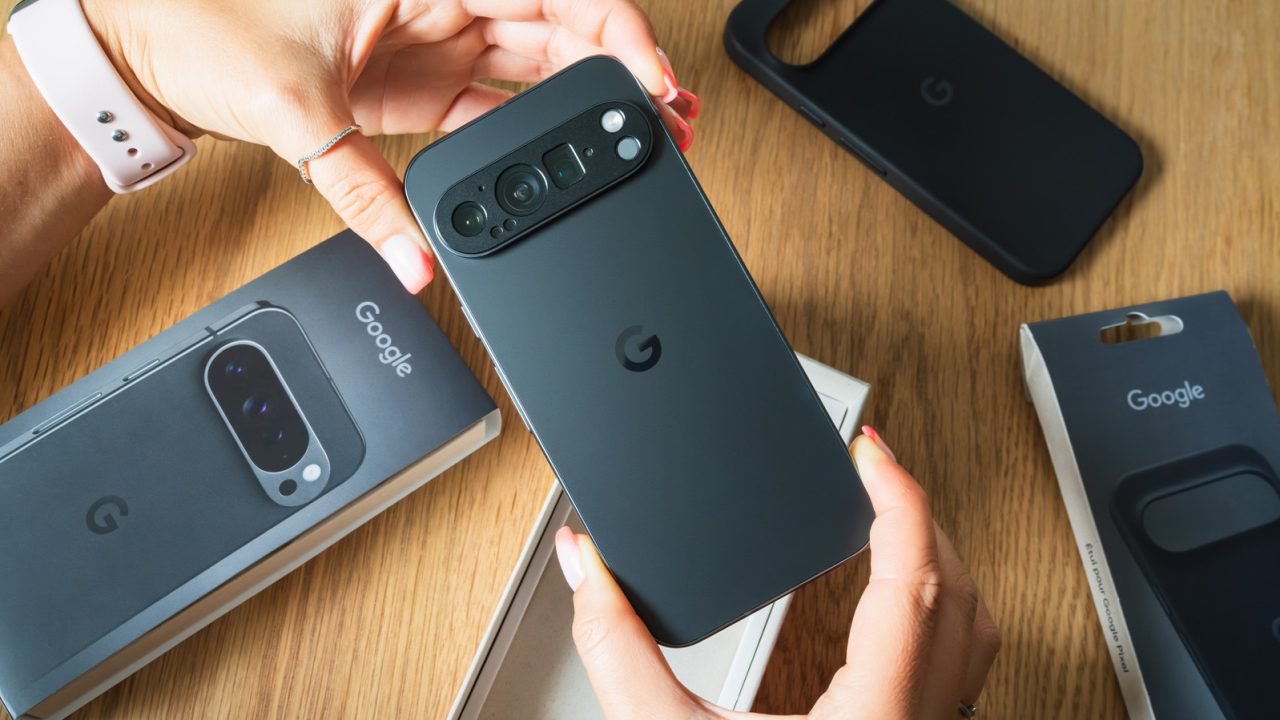
It has been five years since Google abandoned Qualcomm’s Snapdragon processors for its flagship smartphones, a strategic pivot initiated in 2021 to center its Pixel devices on proprietary artificial intelligence capabilities. The move was formalized with the release of the Pixel 6 and its custom Tensor silicon, which prioritized machine learning tasks over the gaming-oriented strengths of the previous Snapdragon platform used in the Pixel 5a.
According to Rick Osterloh, Google’s SVP of Devices and Services, the company developed its own chip because it faced computing limitations that hindered its AI mission. The core of the Tensor architecture is the TPU (Tensor Processing Unit), a specialized circuit designed to handle speech recognition, translation, and computational photography locally on the device rather than relying on cloud servers. While the initial Tensor chips were heavily modified versions of Samsung Exynos designs, Google recently transitioned to a proprietary base design. The Tensor G5, fabricated by TSMC in Taiwan, marked the first generation without Samsung manufacturing, and the latest Tensor G6 in the Pixel 11 continues this independent lineage.
Performance comparisons suggest that this AI-focused approach comes with certain trade-offs. Benchmarks from Android Authority indicate that Qualcomm’s Snapdragon 8 Elite significantly outperforms the Tensor G5 in multi-core CPU and graphics tasks. Consequently, flagship Snapdragon and Apple A-series chips typically surpass Tensor in raw power, sustained gaming loads, and battery life under heavy use. However, Google argues that the Tensor G6, paired with the Gemini Nano model, offers 50 percent more TPU compute than its predecessor and executes on-device AI tasks up to 3.5 times faster while using significantly less energy.
The decision to use custom silicon has allowed Google to manage costs more strategically. Analysts note that while Snapdragon 8 Elite Gen 5 units cost manufacturers between $240 and $280, a premium over previous generations, Google has avoided these specific markups by in-house development. This allows the company to redirect budget toward refining its TPU. Despite this shift, Google has not completely severed ties with Qualcomm; the newly announced Pixel Watch 5 still utilizes Qualcomm’s Snapdragon W5 Gen 2 chip, as the company has not yet deployed Tensor technology in its wearables. Furthermore, while the switch to Tensor did not make Pixels cheaper than competitors like the Samsung Galaxy S26 Ultra, it provided Google with an independent roadmap for its hardware and software integration.

Avoiding the $280 Snapdragon price tag is smart. Reinvesting that budget into TPU development makes total strategic sense.
I appreciate the cost savings, but the battery life still disappoints me compared to the latest Apple releases.
Google finally ditched Samsung manufacturing. Took them five years, but hey, independence is a good thing.
Local processing is the future. Sending voice data to the cloud is a security nightmare waiting to happen.
Snapdragon still wins for pure performance. I just want my phone to run high-end games without thermal throttling every time.
Does this mean the Pixel Watch 5 will eventually get Tensor chips too? Or is Qualcomm staying on for a while?
Five years later and gamers are still complaining about the heat. The trade-off for AI speed honestly feels way off to me.