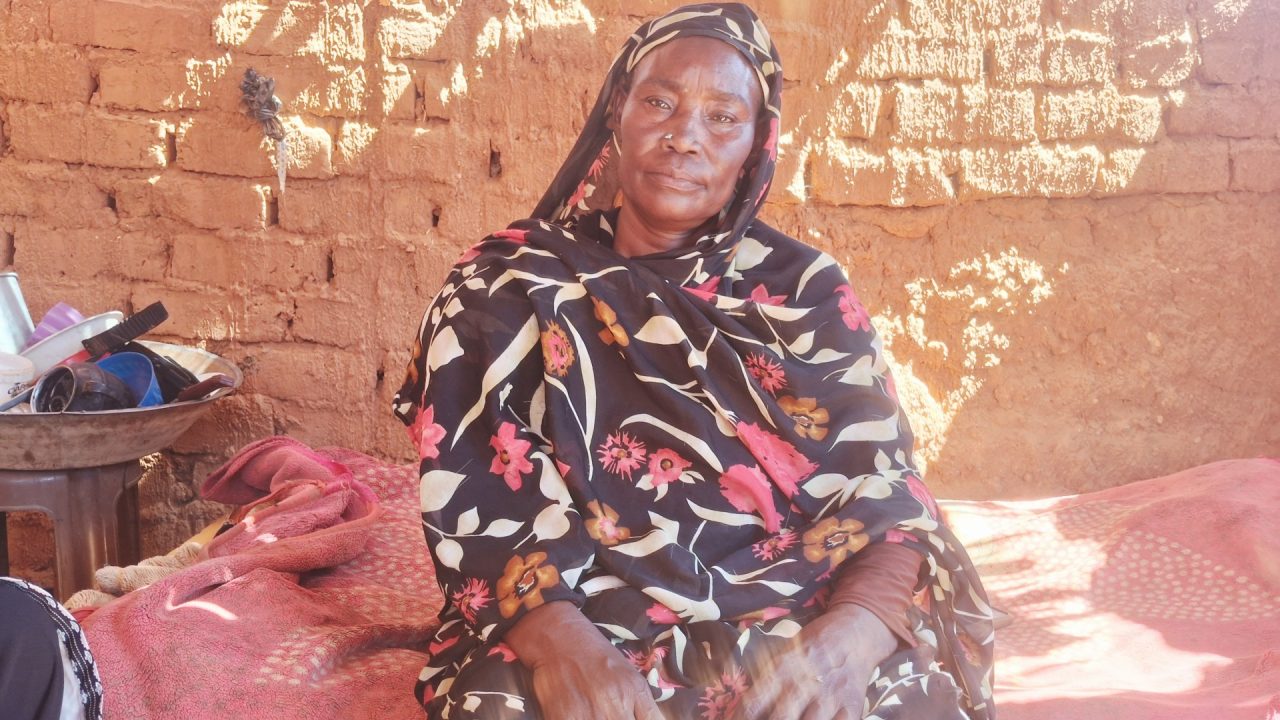
Displaced families in Khartoum state are bracing for winter as funding cuts leave millions without essential shelter and supplies during Sudan’s ongoing conflict. In the al-Ghadir area north of Omdurman, residents living in temporary structures report severe vulnerability due to a lack of blankets, warm clothing, and adequate heating.
Fatima Mohamed Haroun, a grandmother from West Darfur, has been caring for four grandchildren since her son went missing and his wife died. Living in a dilapidated mudbrick building without income or humanitarian assistance, Haroun relies on neighbors for food and worries about her family surviving the cold nights.
The war that began in April 2023 between the Sudanese Armed Forces and the Rapid Support Forces has created one of the world’s largest displacement crises. As of late July, Khartoum state hosted over 414,000 internally displaced persons (IDPs), according to the International Organization for Migration. Nationally, more than 8.5 million people have been displaced, with 15.4 million in need of emergency shelter and basic household items.
UN agencies warn that funding shortages allow humanitarian organizations to assist only 10 percent of those in need. The 2026 Humanitarian Response Plan, which requires $2.9 billion to support 20.4 million people, has received less than half of the required funding. Consequently, agencies have been forced to scale back services amid logistical challenges and security risks.
Abdelaziz Suleiman Ori, director of culture and information for the Darfur regional government, stated that a winter plan including blankets and food has been drawn up but resources remain insufficient. The administration has dispatched convoys from Port Sudan and is coordinating with international partners, but emphasizes that a collective response from governments, host states, and NGOs is necessary.
Kheira Matar Hassan, another displaced woman from Darfur, supports her seven children by washing and ironing clothes, a precarious income that leaves her family hungry on days without customers. Her situation highlights the stark contrast between her former life as a farmer and her current existence in makeshift shelters, underscoring the urgent need for international support to mitigate the suffering of Sudan’s displaced population.
Funding gaps are always an excuse, but scaling back services to this degree feels completely negligent.
I am shocked by the scale of this crisis. Eight million people displaced is almost hard to fathom.
Only ten percent receiving aid is unacceptable. We need the international community to step up immediately.
The story about Fatima caring for four grandchildren alone is heartbreaking. Where is the rest of the family?