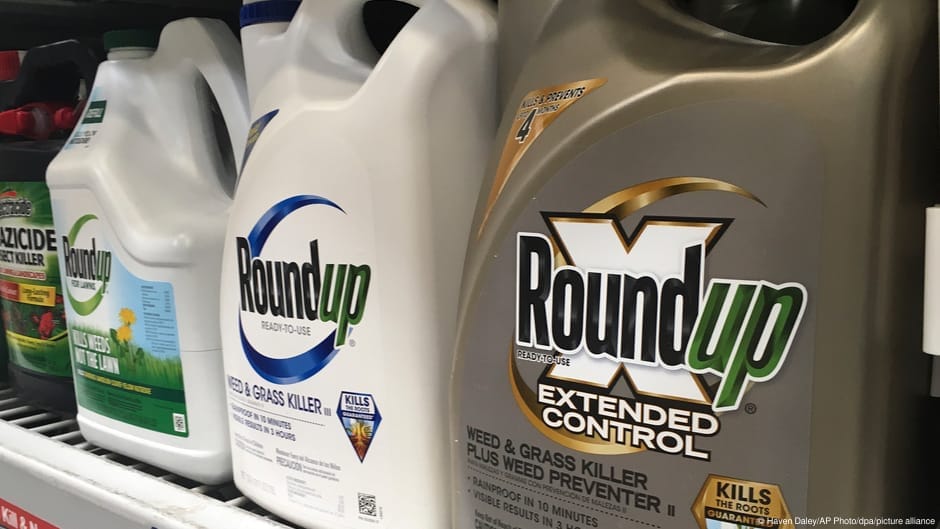
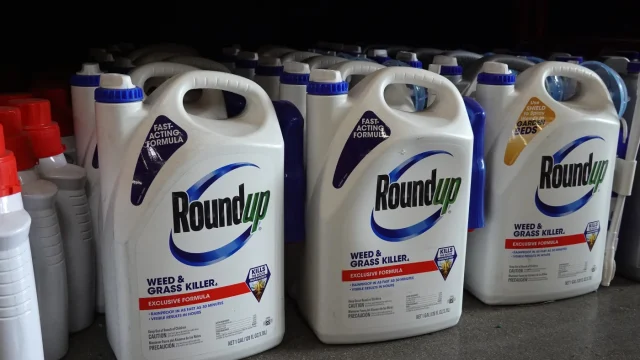
A US judge in Missouri has given final approval to a $7.25 billion settlement that resolves thousands of lawsuits alleging that Bayer’s Roundup herbicide causes cancer. Judge Timothy Boyer ruled that the agreement is fair, reasonable, and adequate, marking a decisive step for the German chemical giant to close out years of costly litigation.
Under the deal, Bayer will deposit up to $7.25 billion into a special fund over the next 21 years to compensate individuals who claim to have developed non-Hodgkin lymphoma after exposure to the weedkiller. The settlement also covers those who may be diagnosed with the disease in the future. Individual payments are projected to range from $10,000 to $165,000, with amounts influenced by factors such as the patient’s age, the severity of their illness, and the duration of their exposure to the product.
Bayer CEO Bill Anderson welcomed the court’s decision as a crucial milestone in the company’s strategy to mitigate risks from pending and future Roundup-related claims. However, some attorneys representing cancer patients criticized the compensation amounts as too low, a stance Judge Boyer rejected, arguing that further legal delays would leave seriously ill individuals waiting for relief.
This settlement follows a significant victory for Bayer at the US Supreme Court in June, where the justices ruled that the company could not be sued under state laws for failing to include cancer warnings on Roundup packaging. That ruling determined that federal regulations did not require such labels, thereby making it more difficult for plaintiffs to win additional lawsuits. In October, a Missouri jury also sided with Bayer in a separate case. Despite the new agreement, Bayer indicates that approximately 200 cases are still proceeding in federal courts outside the scope of this settlement.
The legal troubles surrounding Roundup began after Bayer acquired US producer Monsanto for $63 billion in 2018, inheriting claims from when the company introduced the herbicide in 1974. Since the acquisition, around 200,000 claims have been filed against Bayer, leading the company to set aside $16 billion for legal costs. Scientific debate continues over whether the active ingredient, glyphosate, poses a cancer risk, with the World Health Organization classifying it as probably carcinogenic while the US Environmental Protection Agency states it is unlikely to cause cancer when used as directed.
The compensation ranges seem arbitrary. How does one objectively determine the value of a life shortened by cancer exposure?
At least it is over. No more years of dragging this out. I hope the remaining cases resolve quickly too.
I am surprised the judge approved it. I thought the amounts would be higher given the severity of the illness.
Buying Monsanto was a massive mistake. They should have known about the looming lawsuits when they paid that much.
Twenty-one years to pay is a long time. What happens to victims who pass away before the funds are fully distributed?
The EPA says it is safe. Why is there so much legal trouble if federal agencies disagree with the WHO?
Do people actually still use Roundup in their home gardens? I thought it was heavily restricted now after all these reports.
Glad they finally settled. My neighbor lost everything fighting this case for years. It has been a real nightmare for everyone.
Seven billion dollars is a lot, but it feels small compared to the devastating cancer diagnoses these people are facing.