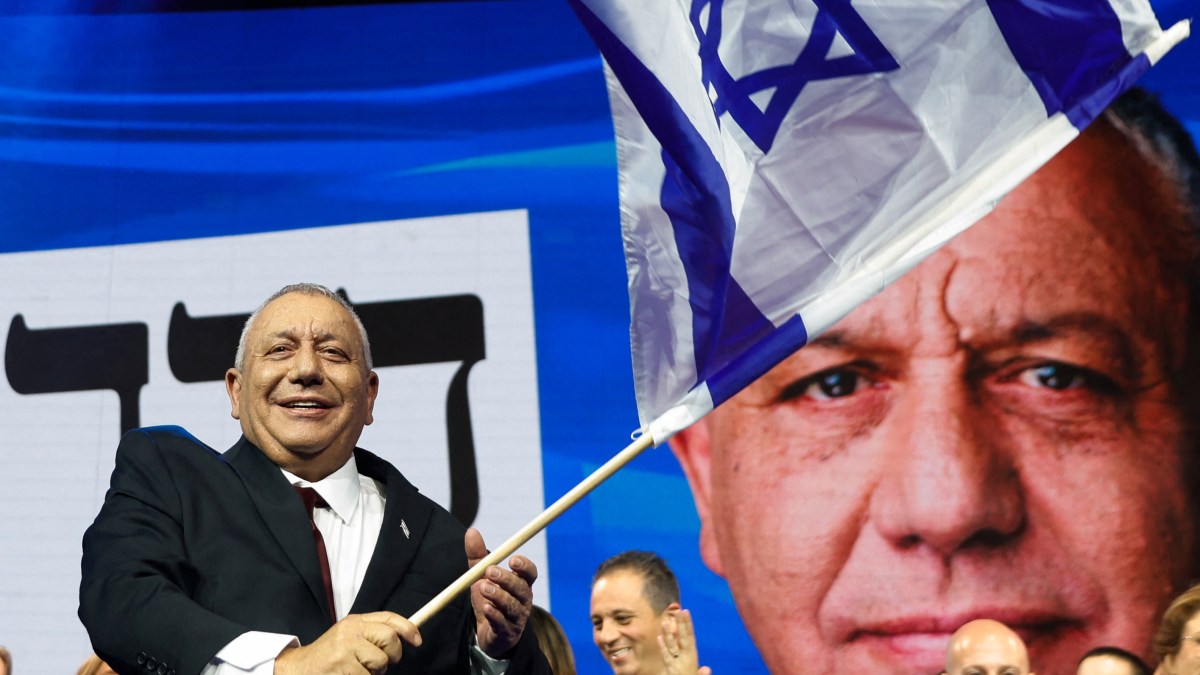
Negotiations to form Israel’s next government have intensified as caretaker Prime Minister Benjamin Netanyahu attempts to exploit divisions within the opposition “change” alliance. With the first formation deadline approaching on December 6, Netanyahu held a two-and-a-half-hour, undeclared meeting with Naftali Bennett, a leading figure in the opposition bloc, prompting accusations that the Prime Minister is trying to split the group from within.
Netanyahu’s office characterized the encounter as a “security briefing,” but sources within the alliance led by Gadi Eisenkot described it as a “strategic disaster” because Bennett did not inform Eisenkot in advance. During a subsequent gathering, Bennett reportedly argued for pursuing a unity government with Netanyahu, a stance that contradicts previous pledges by several opposition leaders to never serve in a Netanyahu-led coalition.
The opposition coalition, which holds 48 of the 120 Knesset seats following the October 27 elections, faces significant internal challenges. Eisenkot requires an additional 13 seats to form a majority government, forcing him to bridge wide ideological divides among his allies. These range from the right-wing positions of Bennett and Avigdor Lieberman to the left-wing platform of Yair Golan, who supports a two-state solution with Palestinians.
Tensions have surfaced over specific policy disagreements. In August, Bennett criticized Eisenkot’s proposal for limited military conscription exemptions for the ultra-Orthodox as an “insane mistake.” Eisenkot countered by accusing Bennett and Lieberman of engaging in “old politics” that jeopardized the opposition’s electoral prospects. Lieberman recently labeled Eisenkot “Gantz 2.0,” comparing him to former defense minister Benny Gantz, while Golan threatened to align with Netanyahu if Lieberman continued to insist on policies opposing the conscription of ultra-Orthodox men.
Despite these internal frictions, the alliance remains focused on ousting Netanyahu, although key members have previously served in his governments. Bennett, who broke with Netanyahu in 2021 to form a cross-party coalition that ended Netanyahu’s twelve-year rule, and Lieberman, who served as foreign and defense minister, continue to navigate complex relationships with the Prime Minister while attempting to unify their diverse bloc.

With forty-eight seats, how does Eisenkot actually bridge the gap between Golan and Lieberman?
It is amazing how quickly Bennett is forgetting his own pledge to never serve with Netanyahu again.