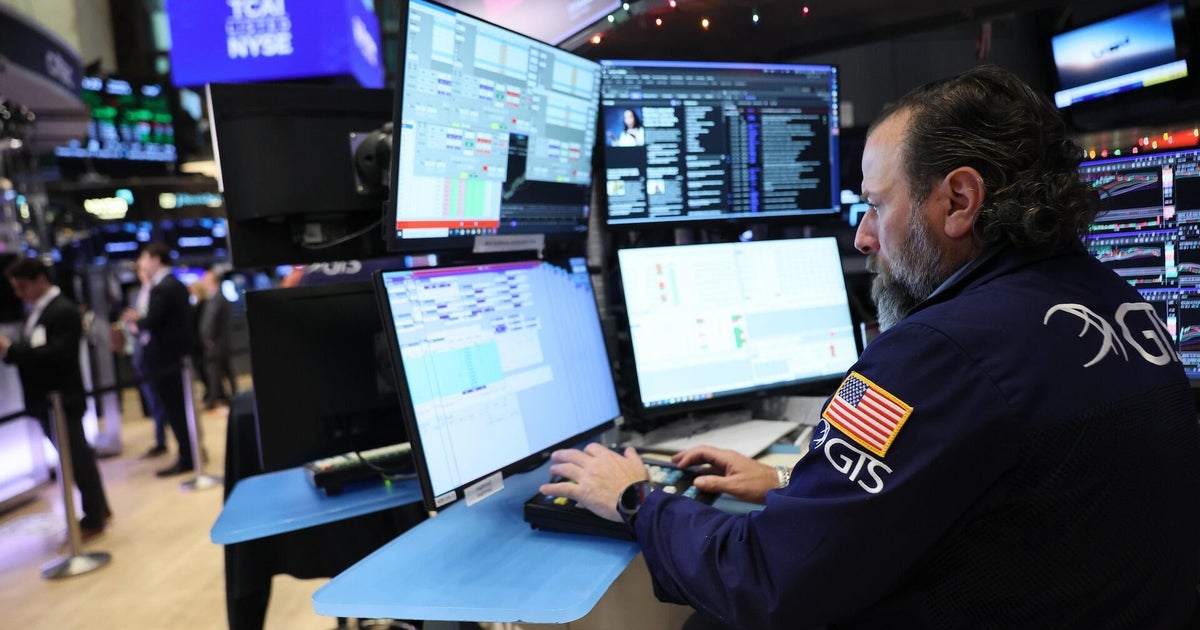
U.S. equity markets entered correction territory on Friday as a sharp decline in technology stocks overwhelmed the broader market, driven by growing concerns over the sustainability of artificial intelligence investments. The Nasdaq Composite dropped 5.3%, losing 1,261 points to close at 22,618. This was the index’s second-worst performance of the year and wiped out all gains accumulated in 2026. The S&P 500 fell 3.7%, while the Dow Jones Industrial Average declined 1.9%, with both major benchmarks now trading more than 10% below their most recent highs, a technical state known as a correction.
The S&P 500 is on track for its seventh consecutive daily loss, marking the longest losing streak since February 2020, when pandemic-related panic selling occurred. Investor anxiety is primarily focused on the valuations of AI-linked companies, which had previously fueled Wall Street’s rally but are now leading the downturn. Semiconductor firms such as Advanced Micro Devices and Broadcom saw significant losses due to fears of slowing data center construction and stricter U.S. federal regulations on chip exports abroad.
Michael Antonelli, market strategist at Baird, noted that the market is currently pricing in the end of the era where AI spending was expected to be unlimited. “I think the notion of that is ending as we speak,” Antonelli said, though he cautioned that this does not necessarily signal the end of the bull market that began in October 2022. Chris Larkin, managing director at E*TRADE from Morgan Stanley, added that while the AI sell-off is driving the correction, underlying U.S. economic fundamentals remain solid. He noted that historically, only five of the last 15 corrections since 1983 evolved into bear markets, which are defined as a 20% decline from peak prices.
The recent high-profile initial public offering of Anthropic, the developer of the Claude AI chatbot, also failed to shield the tech sector from losses. After a strong debut on Thursday, Anthropic’s stock fell 9.3% on Friday to $88.14, dropping approximately 23% from its intraday peak of $115.10 the previous day. This decline is comparable to the post-IPO drop experienced by Facebook, now Meta, in 2012. Nvidia shares, a key indicator of the AI boom, fell for the ninth day in the last 10, dropping 13% in late Friday trading. The chipmaker has lost more than 25% of its value since early this month, a slump exacerbated by recent controversies involving its co-founder and former CEO, Jensen Huang.
Despite the tech rout, non-technology sectors showed resilience. General Mills, a maker of cereal products, surged 4.4%, and homebuilder Lennar advanced 2.5%, indicating that the decline was largely concentrated in the artificial intelligence and chip sectors.



Bought the dip? No, I am waiting for stability. My stomach can’t take this rollercoaster.
Selling data center chips is just bad news for everyone involved in the hardware space right now.
Jensen Huang’s controversy definitely didn’t help Nvidia. That was always a liability waiting to happen.
Seven straight days of losses is scary, but Larkin says most corrections aren’t bear markets. Hope he’s right.
General Mills up four percent while tech bleeds out? Never in a million years would I say.
I still think AI is fundamentally sound. This is just a necessary reality check for valuations.
Anthropic dropping that much after IPO is wild. Reminds me a lot of the old days.
Does this mean my 401k is actually okay, or should I panic sell right now?
Finally, some breathing room. I was worried about the bubble before it popped like this.