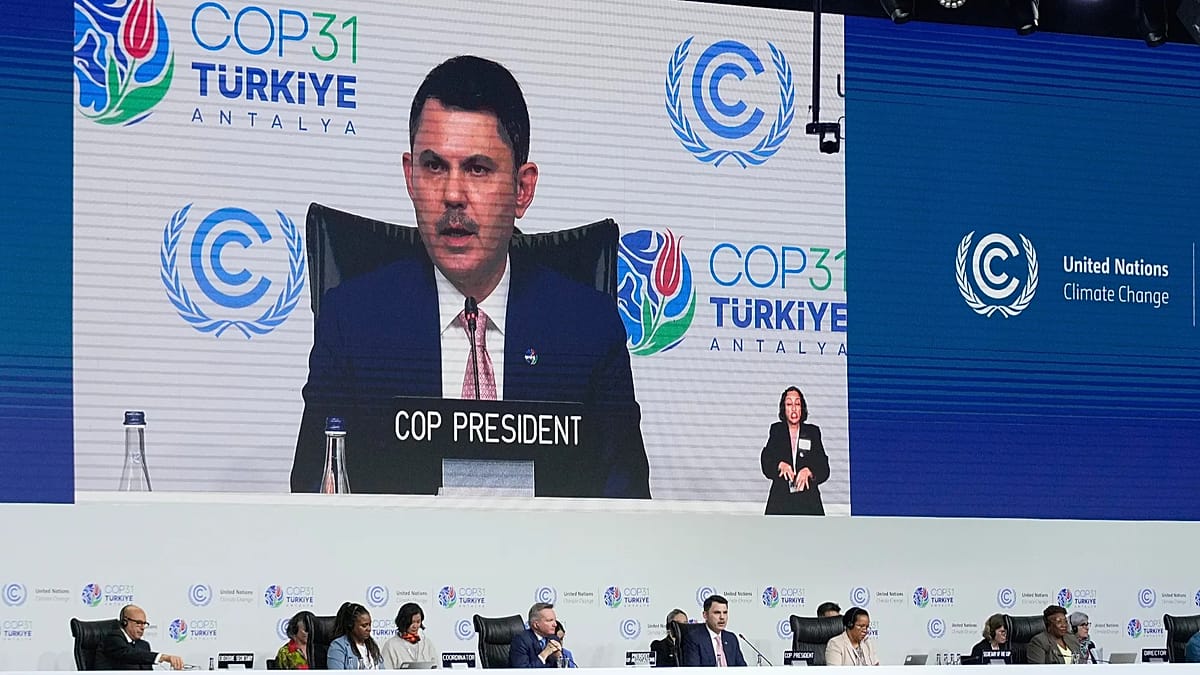
The United Nations climate change conference, COP31, has extended its negotiations beyond their originally scheduled timeframe as delegates failed to reach a consensus on the handling of fossil fuels.
The primary point of contention involves the language and commitments related to reducing the use of oil, gas, and coal. This disagreement has prevented the finalization of the conference’s key outcome documents, forcing the talks to continue in overtime.
Delegates representing various nations remain divided on how forcefully the accord should address the transition away from fossil energy sources. While some countries advocate for binding commitments to phase out these resources, others resist specific timelines or language that they argue would disproportionately impact their economies.
The extension of the talks reflects the ongoing challenge of balancing urgent environmental goals with the economic interests of developing and fossil-fuel-dependent nations. Negotiators are now working to find a compromise text that can secure the necessary support to conclude the session.


No wonder it ran late. Balancing those two conflicting economic interests is practically impossible for them.
It is exhausting watching these talks drag on while real people suffer from heatwaves.