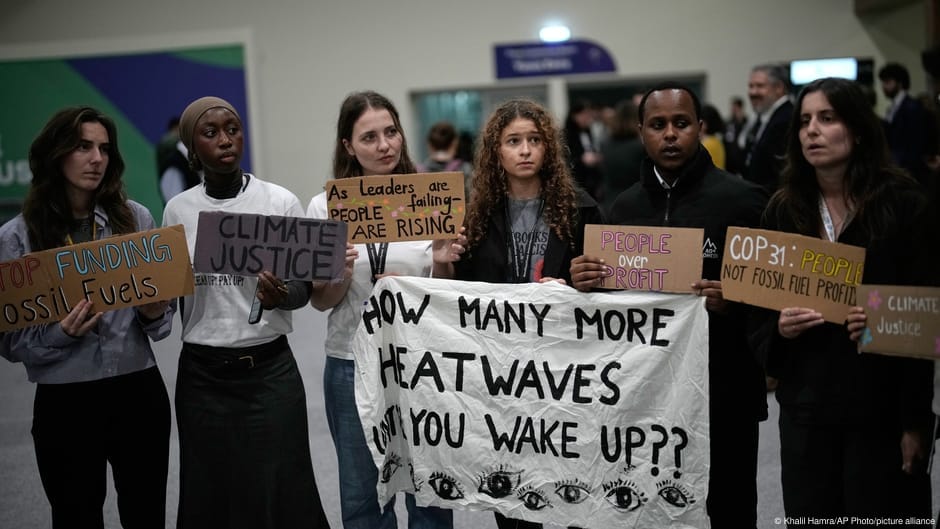
The United Nations COP31 climate summit in Antalya, Turkey, has extended past its scheduled Friday closing time as delegates from nearly 200 nations continue to negotiate without reaching a final agreement. The talks have stalled primarily due to deep divisions over whether to include commitments to phase out fossil fuels in the final text, which was omitted from the draft, causing disappointment among advocates for stricter emission cuts.
Peru’s delegation head, Andres Martin Garrido Sanchez, attributed the lack of progress to “geopolitical divisions,” noting that major oil producers, including Gulf Arab states and Russia, are opposing language that explicitly calls for reducing reliance on coal, gas, and oil. While some nations have pushed for stronger wording, others, including neighboring Panama, have signaled objections to including the term fossil fuels in the final document.
In a related development, China and Australia released a joint statement supporting Turkey’s proposed “35-by-35” goal, which aims to increase the share of electricity in global final energy consumption to 35 percent by 2035, up from the current 20 percent. Although the initiative has received backing from dozens of countries, including EU members and Canada, environmental groups have criticized the draft for failing to specify the use of renewable energy sources like solar and wind, potentially allowing natural gas and coal plants to remain part of the energy mix.
As negotiations continue into the weekend, next year’s host, Ethiopia, emphasized the long-term nature of the climate process. Ethiopian Foreign Minister and incoming COP32 President Gedion Timothewos compared the series of conferences to a marathon relay race, stating that his country is ready to take over the leadership role in 2027 to continue the ongoing efforts to combat climate change.


Critics are right about the gas loophole. If natural gas stays in the mix, this ’35-by-35′ goal is weak.
Ethiopia’s marathon analogy is apt. One summit won’t fix it, but the lack of specifics is concerning for implementation.
China and Australia teaming up is a surprise. Their joint statement might actually shift the balance of power here.
The omission of fossil fuel language is baffling. How can we claim commitment to climate action while ignoring the root cause?
Again? I can’t believe they keep missing deadlines. It feels like we’re running on the spot, not making progress.