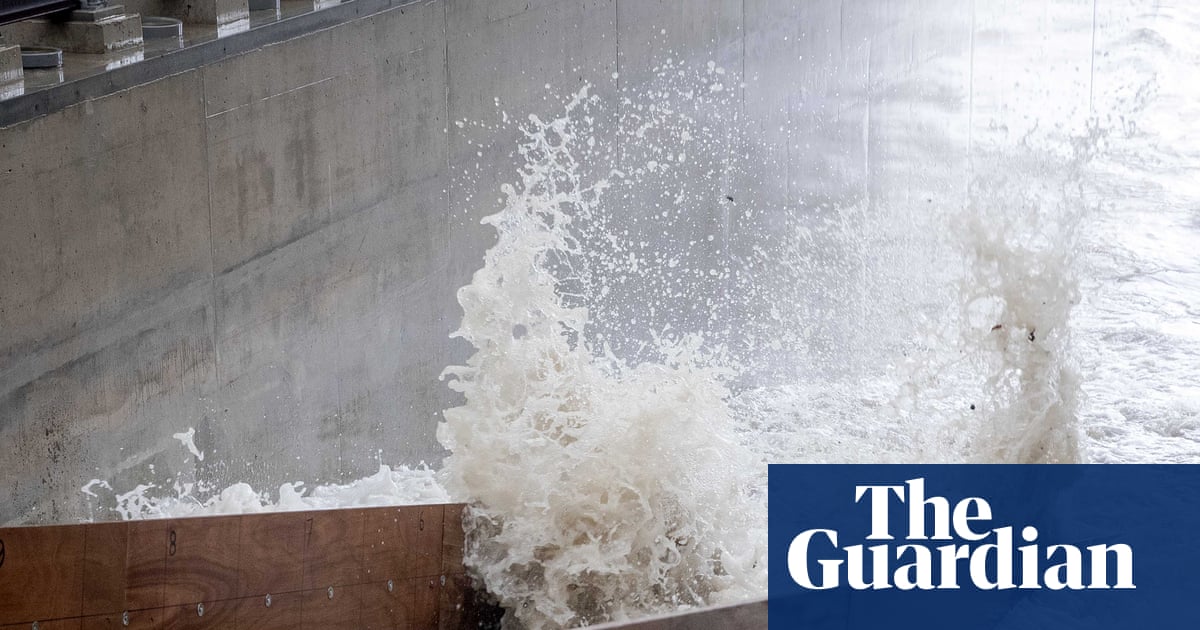
Researchers in the Netherlands have utilized the world’s largest wave machine to evaluate the durability of salt marshes against severe weather events. As global sea levels rise and storm intensity increases, these coastal wetlands are being examined for their potential role in protecting shorelines.
The study aimed to determine whether powerful storms would erode vegetation and sediment from marshes, significantly reshaping coastlines, or if the ecosystems could maintain structural integrity as natural barriers.
Results from the experiments indicated that sections of the coastal wetland suffered remarkably little erosion even after enduring 21 hours of powerful simulated waves. These findings suggest that salt marshes may possess greater resilience to storm impacts than previously thought, offering valuable insights for future coastal defense strategies.



Minimal erosion is a strong result. This should make developers in these areas think twice before bulldozing.
Nature is winning the fight against the ocean. I just hope the ocean remembers that next Tuesday.
I wonder if they tested different wave frequencies? Higher frequency might break down the marsh faster.
So the plants actually helped hold the soil together? That is a huge relief for coastal communities.
Interesting, but what about the cost of maintaining these marshes? Nature is great, but it needs upkeep.
The 21-hour duration is impressive. It really changes how we calculate coastal risk models for the future.
Does this hold up against actual hurricanes? Simulations are nice, but real storms are chaotic and much fiercer.
Finally, some solid data. We need to stop relying solely on concrete seawalls and start planting more natural buffers.