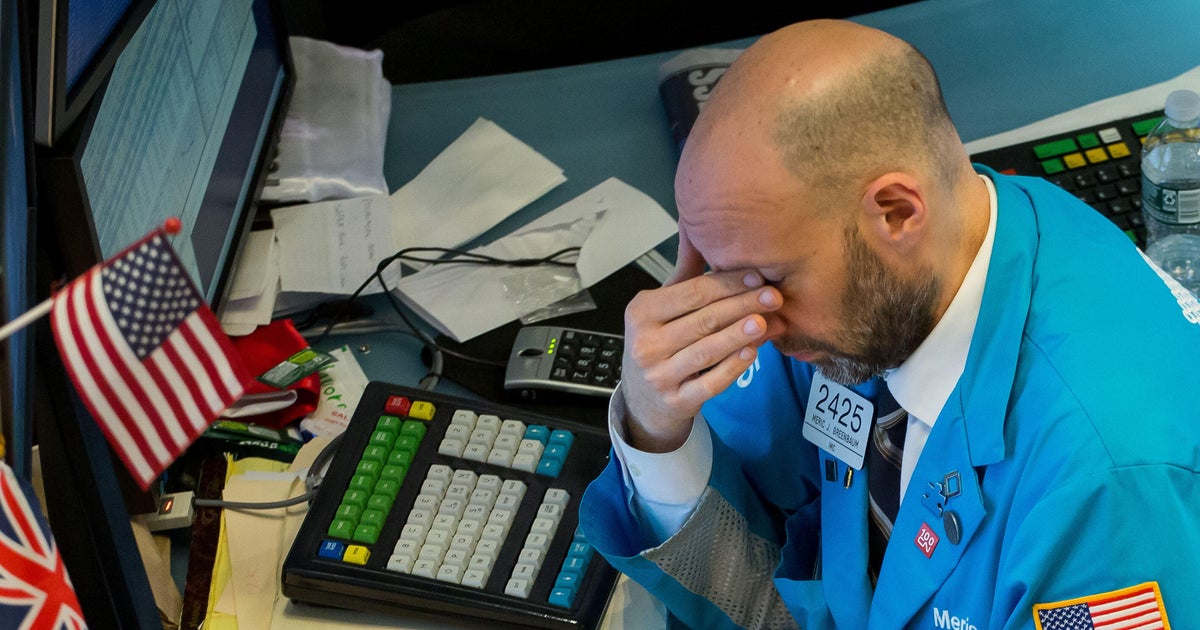
The U.S. stock market has entered its most turbulent period since the early days of the pandemic, with the S&P 500 on track for its seventh consecutive daily loss as of Friday. This streak would mark the longest losing sequence for the benchmark index since February 2020. On Friday, the Nasdaq plunged more than 1,000 points, or 4.2%, closing at 22,875, while the S&P 500 fell 2.8% and the Dow Jones Industrial Average dipped 1.1%.
Financial analysts and market observers point to six primary drivers behind this recent selloff, ranging from concerns over artificial intelligence profitability to geopolitical instability. The first major factor is growing skepticism that massive infrastructure spending on AI will yield sufficient returns. Although Anthropic, the first AI lab to go public, reported rapid revenue growth, its regulatory filings also disclosed losses of approximately $104 billion for the first nine months of 2026. “Those figures explain both the frenzy and the nerves,” said Nigel Green, CEO of deVere Group. “From here, the market will judge whether the software layer can turn breathtaking growth into lasting profit, and Friday’s wobble shows the judging has already begun.”
Political shifts are also influencing market sentiment. With Democrats poised to gain control of Congress following the 2026 midterms, investors are concerned about potential new legislation that could restrict data center construction. “The Blue Tidal Wave win and fears about an anti-AI/anti-data center DC” are contributing to the downturn, noted Dan Ives, an analyst at Yorkville Ives. Additionally, the Federal Reserve is expected to hike interest rates in December, as inflation remains significantly above the central bank’s 2% target. Austan Goolsbee, President of the Federal Reserve Bank of Chicago, warned that without intervention, the evidence does not suggest a return to the 2% inflation target.
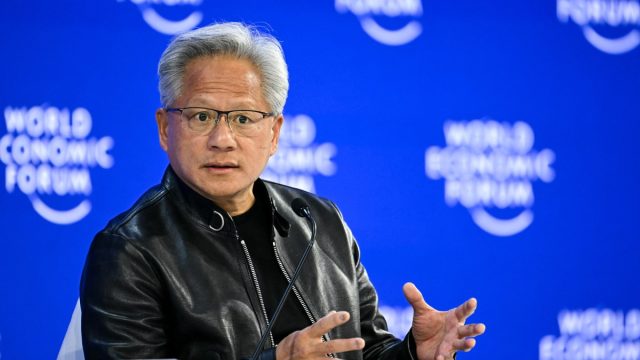
Geopolitical and trade tensions have further complicated the outlook. A revelation that former Nvidia CEO Jensen Huang had a relationship with a Chinese businesswoman believed by U.S. intelligence to be a spy for China has intensified calls for stricter export controls. Following Huang’s resignation, the Commerce Department moved to limit the sale of advanced AI chips to China. “The chip industry globally is witnessing a far larger impact from Washington’s new export restrictions than initially expected,” Adam Crisafulli of Vital Knowledge observed. Simultaneously, fears of a new U.S.-Israel assault on Iran have raised concerns that renewed hostilities could drive up oil prices and exacerbate inflationary pressures.
Domestic political friction also looms over the market. Lawmakers face a December 11 deadline to extend federal funding and avoid a government shutdown. Tensions are high as some Congressional Democrats are pushing to block any funding bill that does not restrict financing for the Iran conflict. Oxford Economics analysts warned that a divided government in 2027 could lead to “bruising fights over shutdowns and the debt limit,” while failing to address broader uncertainties regarding tariffs, immigration, and geopolitics.
Despite the volatility, investment experts advise investors to maintain a long-term perspective rather than selling in panic. Ives cautioned that selling during a downturn can lock in losses and miss subsequent recoveries, similar to the market surge that followed the pandemic crash. “This is a painful tech sell-off that is heavily discounting [the idea] that this 4th Industrial Revolution thesis will take place over the next few years, and that is the wrong move in our view,” Ives stated.


Selling now locks in losses. I am staying the course because the AI thesis is still strong long term.
A government shutdown by December 11 would be a nightmare. The political brinkmanship is scaring me more than the stocks.
This is just a correction. Tech was overvalued anyway, so getting some sanity back is actually good for everyone.
Democrats taking Congress means regulation is coming fast. Nobody is talking about the legislative risks enough honestly.
I keep buying every dip and losing more. Is holding really the right strategy with inflation still running hot?
Are the new export controls going to kill the Chinese market? That seems like a huge strategic error to me.
Jensen Huang leaving is a massive red flag. The whole narrative around Nvidia feels like it is crumbling now.
Remember March 2020? This feels similar, but the geopolitical risks are making me way more nervous than before.
The $104 billion loss is staggering. I cannot believe people are still buying in without seeing actual profits.