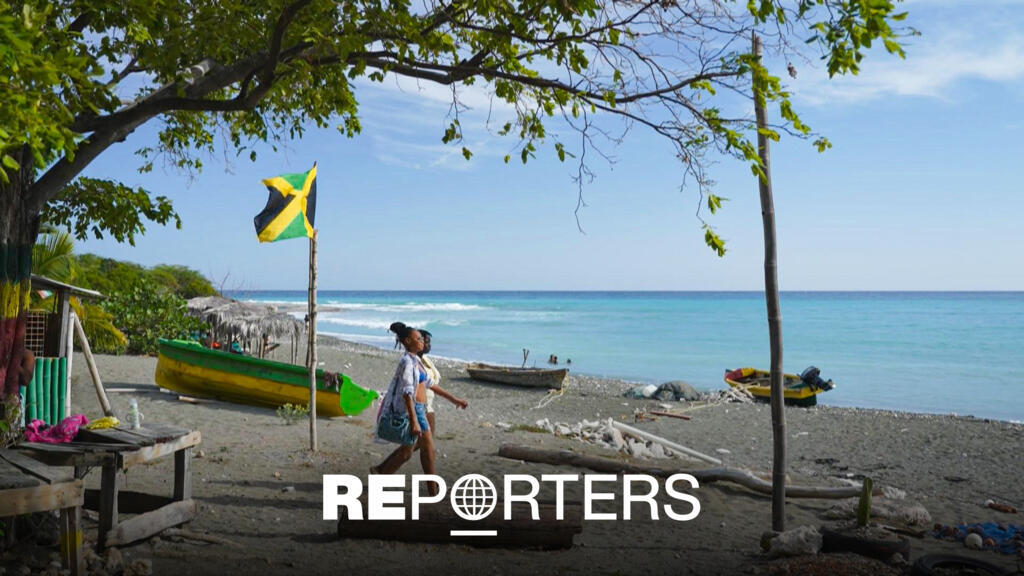
While Jamaica is internationally recognized for its white sandy beaches and vibrant Rastafari culture, a growing number of local residents are losing access to the sea due to rapid private development. Reports indicate that less than one percent of the island’s coastline remains freely accessible to the public, with the vast majority of coastal land privatised for large-scale hotel projects and private residences.
Access to the ocean is crucial for Jamaican society and the local economy, particularly supporting industries such as fishing and the sale of crafts to tourists. In response to these changes, the Jamaica Beach Birthright Environmental Movement, known as JABBEM, has filed lawsuits against five hotel projects in an effort to safeguard public access to the beaches.
Legal experts note that Jamaicans are particularly vulnerable in disputes with property developers, largely because the majority of the population lacks formal title deeds to the land they inhabit. The issue has drawn attention from international observers, with regional correspondents Laurence Cuvillier and Matthieu Comin investigating the impact of this development on local livelihoods.


Private property is a right, but blocking the public ocean feels like a very bad trade-off.
It is concerning that most people do not even have proper title deeds to their own land.
I visited five years ago and many beaches were open, but now I see fences everywhere.
Tourists pay for the experience, but locals lose their livelihood. This feels completely backwards.
Are the lawsuits really going to change anything when the developers have so much political money?
The fishing communities must be struggling greatly without access to their traditional working waters.
It is hard to believe that such a beautiful country has locked its beaches away from everyone.