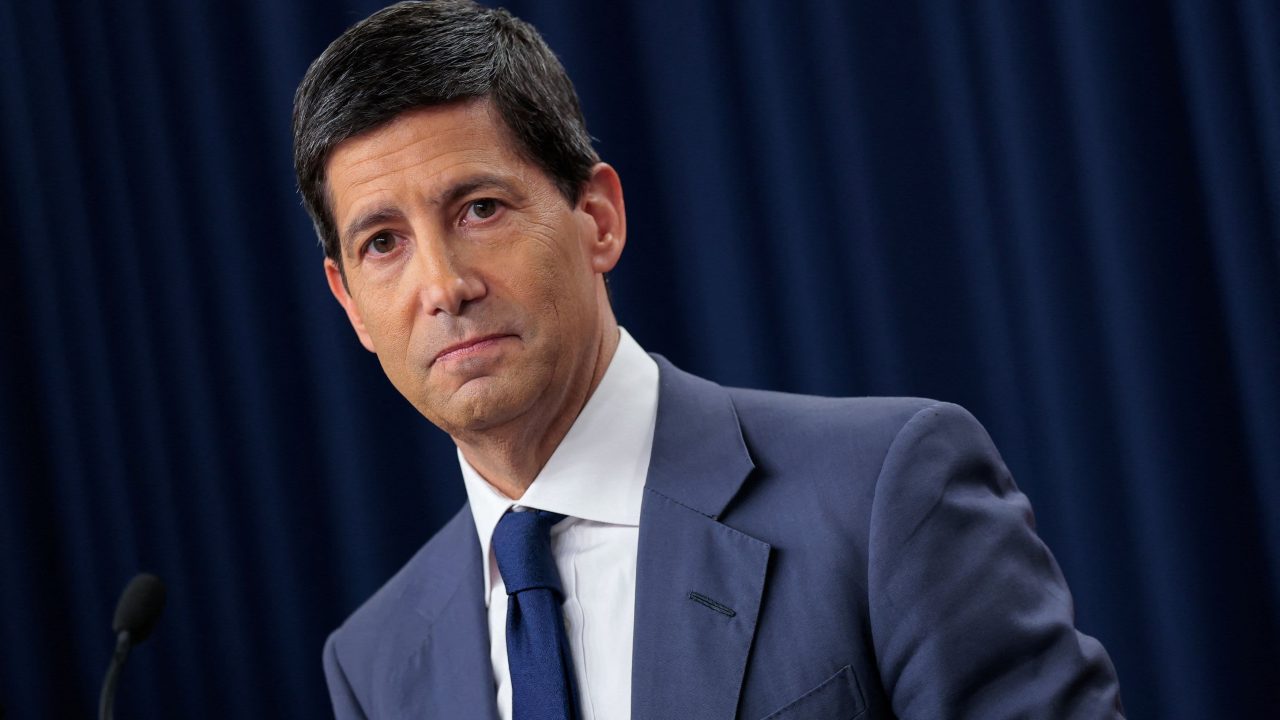
Fed officials have increasingly taken public positions on monetary policy during the first six months of Kevin Warsh’s tenure as Federal Reserve chairman, creating a dynamic that contrasts with the chair’s stated preference for limiting forward guidance. While Warsh has avoided signaling future interest rate paths, arguing that such guidance restricts policymaking flexibility, his colleagues have been vocal about their views on tackling persistent inflation. A Bank of America analysis indicates that the volume of public comments from Federal Open Market Committee (FOMC) members in the past two weeks is the highest recorded since the beginning of 2025.
The heightened public debate reflects a growing divide within the central bank regarding the pace of potential rate hikes. Most officials agree that interest rates should be raised to combat inflation, but they differ on the aggressiveness of the policy response. Governor Christopher Waller and St. Louis Fed President Alberto Musalem have suggested that more substantial rate increases may be necessary in a short timeframe, with Waller specifically raising the possibility of a half-percentage-point hike at the December meeting. This stance comes after the Fed held rates steady in October, a decision that some analysts view as a misstep that has prompted hawks to speak more forcefully.
Bank of America economist Aditya Bhave noted that the absence of clear leadership from the chair is encouraging other FOMC members to express their views more frequently and strongly. “Absent this leadership, however, both sides might feel incentivized to speak more often and more forcefully,” Bhave wrote. The tension is further highlighted by recent FOMC minutes, which indicated that some officials would have supported a rate hold in October only if the Fed had clearly communicated that further tightening was likely. Market veteran Ed Yardeni suggested that Warsh’s communication philosophy might be limiting the Fed’s flexibility during a critical period.
Despite the noise, some officials are attempting to balance transparency with the flexibility to adapt to changing economic conditions. Cleveland Fed President Beth Hammack clarified that her public remarks are not commitments or forward guidance but rather conditional expectations based on her observations of the economy. Similarly, Chicago Fed President Austan Goolsbee expressed sympathy for avoiding precise rate forecasts while emphasizing the importance of maintaining central bank credibility. Philadelphia Fed President Anna Paulson argued that markets can interpret policy directions without specific guidance, noting that the diversity of voices serves as a check against any single communication becoming the sole focus.
Financial markets have interpreted the increased communication in a hawkish direction. Traders are currently pricing in a 100% probability of at least a quarter-percentage-point rate hike in December, with significant odds of further increases in January and before the end of 2027. This outlook persists despite current inflation rates running above the Fed’s 2% target, although long-term inflation expectations in the Treasury market have declined to their lowest levels since April. Tom Graff, chief investment officer at Facet, observed that the public airing of competing viewpoints aligns with Warsh’s advocacy for a “family fight” atmosphere within the Fed, where diverse perspectives are fully debated.

Why is everyone surprised the officials are talking more? When the chair goes quiet, the rest naturally fill the space.
Inflation is still too high. If they wait too long to act, we all pay the price later. Speak up now.
The family fight quote is hilarious. It’s basically what happens when the leader refuses to set the agenda properly.
Hammack’s point about conditional expectations makes sense. They need flexibility, not rigid promises that become chains.
Banks of America data says the noise is at record highs. That usually means the decision-makers are genuinely stuck.
Is anyone else worried that half-point hikes might crush small businesses before they even realize inflation is a problem?
I actually prefer the chaos. At least we get to hear the full debate instead of just one guy’s quiet opinion.
Warsh wants silence, but the market hears pure panic. This lack of clarity is actually worse than just guessing rates.