Delegates at the ongoing UN climate summit in Turkey are engaged in contentious discussions regarding financial support for Africa’s climate adaptation needs. While the African Group of Negotiators is advocating for a tripling of annual adaptation finance to reach $40 billion by 2035, European officials have stated that the immediate priority is ensuring that previously pledged funds are actually delivered to vulnerable countries.
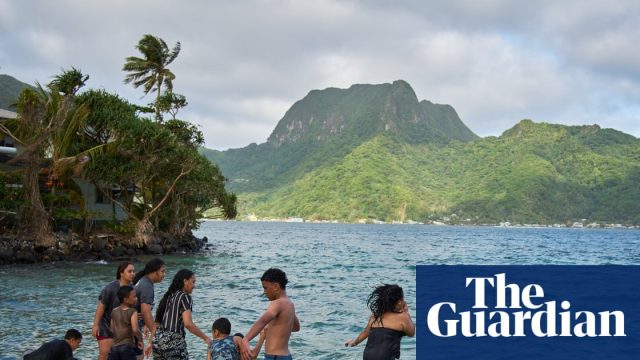
Darragh O’Brien, leading the European Union delegation at COP31 under the Irish presidency, indicated that the EU is not presenting new capital commitments. Instead, he emphasized that the focus must remain on deploying the financial resources already promised, while acknowledging that the process for developing nations to access these funds requires improvement. Wopke Hoekstra, the European Commission’s climate commissioner, reinforced this stance, noting that committed funds are meaningless if they do not reach the ground in vulnerable regions such as the Pacific or Least Developed Countries.
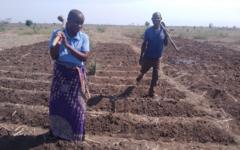
The debate occurs against a backdrop of severe climate impacts across the continent. In Uganda’s Karamoja region, a drought lasting seven months has caused over 90% of crops to fail, leaving families like that of farmer Elijah Lobur eating only one meal a day. Similarly, in Malawi, Mathews Nkhambala is facing a second climate crisis with a lack of rain following the devastating floods and Tropical Cyclone Freddy in 2024. These events highlight the urgent need for adaptation measures, yet 23 African countries have not yet submitted National Adaptation Plans (NAPs) to the UN climate convention secretariat, which are critical for securing targeted funding.
According to the UN’s Adaptation Gap Report, sub-Saharan Africa requires approximately $51 billion annually in adaptation finance, while the Middle East and North Africa need $112 billion. Globally, developing countries will require around $300 billion annually by 2035, yet they received only about 10% of that amount from developed nations in 2024. Despite the absence of NAPs in several African nations, negotiators argue that financial support should be based on scientific assessments of vulnerability and national priorities, rather than solely on the submission of planning documents.
Experts from organizations such as Oxfam and ActionAid point out that the lack of plans often reflects a broader capacity and finance gap, forcing governments into a cycle of reactive disaster response rather than preventive investment. Amos Wemanya of Power Shift Africa warned that without adequate planning and resources, communities remain increasingly vulnerable to recurring shocks. Nevertheless, African negotiators, including Mahlet Eyassu Melkie, maintain that the continent’s adaptation needs are well-documented by regional estimates and should not be denied funding due to procedural delays in plan submission.


I hope the COP outcomes lead to actual infrastructure projects. Too many promises, not enough concrete results.
The EU saying ‘just deliver the old money’ sounds like a convenient way to avoid new financial responsibility.
Why is Africa the focus? Pacific islands and LDCs also suffer from these unfulfilled pledges and deserve attention too.
I understand the bureaucratic need for plans, but telling a community to wait for paperwork while they drown is absurd.
The gap between needed funding and actual delivery is staggering. We need real accountability, not just more negotiations.
It is infuriating that we are still arguing about paper promises when farmers in Uganda are starving right now.