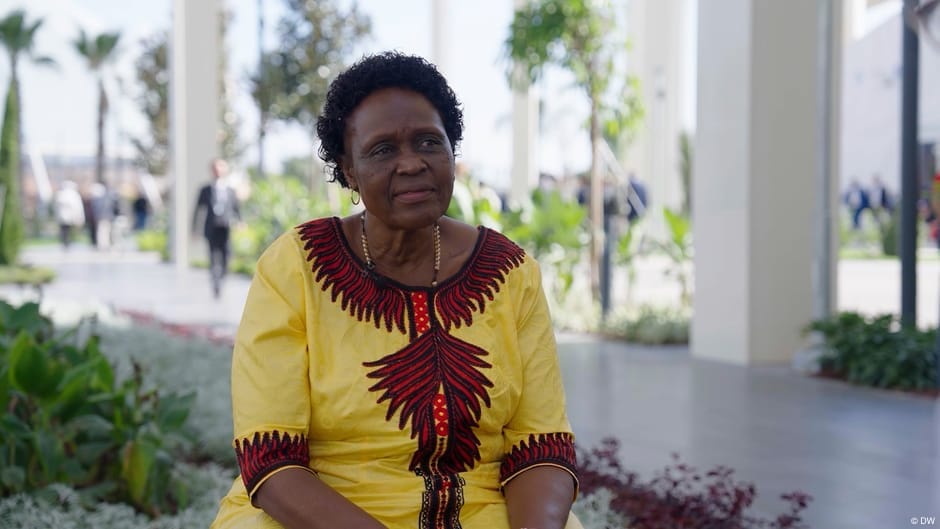
Ugandan Environment Minister Beatrice Atim Anywar has called for a “just transition” at the COP31 climate summit in Antalya, Turkey, arguing that her country requires financial support that has not yet materialized. She stated that Uganda is facing severe climate-related disasters, including deadly landslides, floods, and droughts, which have devastating impacts on food security and livelihoods.
Anywar emphasized that despite Africa contributing less than 4% of global greenhouse gas emissions, the continent remains highly vulnerable to climate change. The Ugandan minister noted that while the country is rapidly expanding renewable electricity production, particularly hydropower, more than 90% of households still rely on wood and charcoal for cooking due to limited access to affordable electricity.
Simultaneously, Uganda is pursuing economic development through oil production. The East African Crude Oil Pipeline, a 1,443-kilometer project expected to open in 2027, is nearly complete and faces criticism from environmental groups who argue it conflicts with global warming goals. Anywar defended the project, suggesting that oil revenues could help fund the transition to cleaner energy and urged developed nations to allow less wealthy countries to utilize their resources for essential development.


Surprising to see a minister openly defend fossil fuels at a climate summit, but the economic context makes it understandable.
Rich countries still owe Africa on previous promises. Using oil revenue is a temporary patch, not a solution.
Are we just going to ignore the carbon footprint of the new pipeline? It feels like a huge contradiction.
The fact that most families still cook with wood is shocking. Clean cooking access must be prioritized immediately.
It makes sense to use oil money for the transition, provided the pipeline doesn’t leak for decades like some other projects.