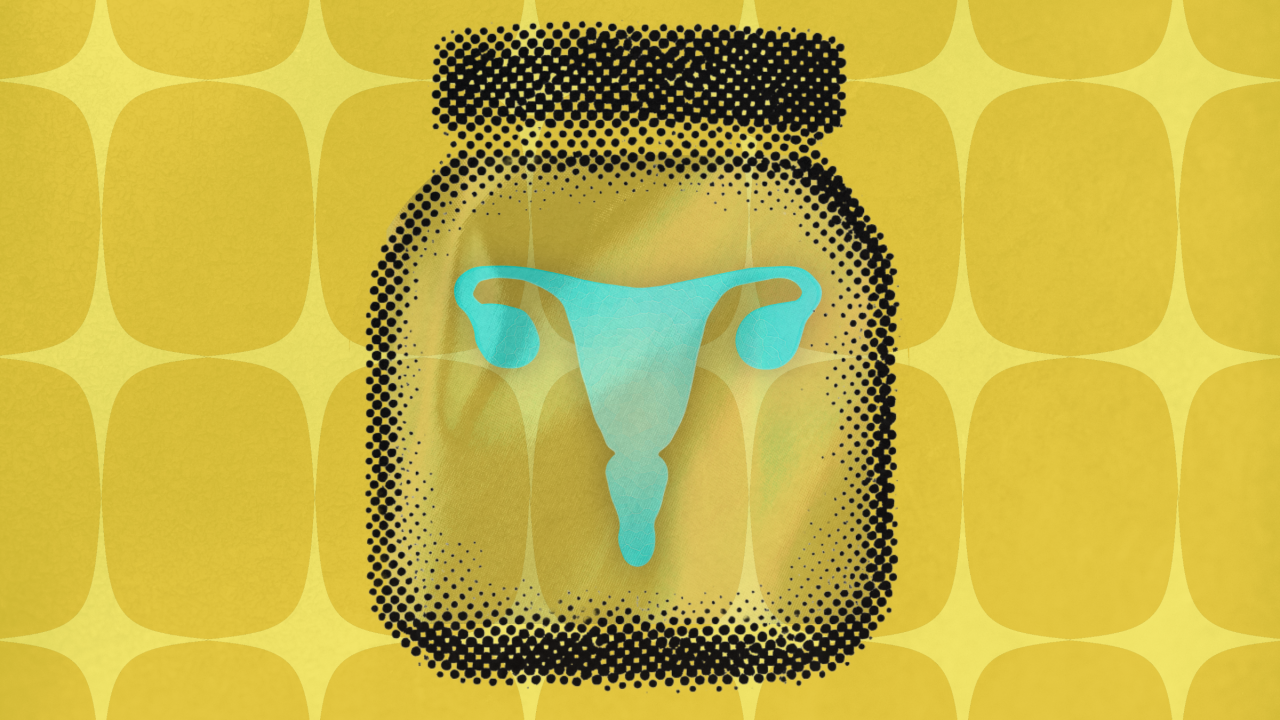
A growing number of surgical patients are choosing to keep the organs and tissues removed from their bodies, often transforming them into art pieces, souvenirs, or objects of personal closure. While this practice has been documented in medical literature since the mid-1990s, it remains poorly tracked and underreported. Motivations range from cultural traditions and curiosity to a desire for a tangible reminder of enduring medical struggles.
Emily, a 20-year-old who identified herself by her first name for privacy, kept her uterus in a jar on a bedside table after undergoing a hysterectomy at age 19. She described the organ as a source of inspiration and a form of “revenge” against the years of symptoms she endured. “You tortured me, and now you’re chopped up in little bits,” she said.
Leah Paul, a 39-year-old midwife from Miami, had her fallopian tubes removed to treat Stage 4 endometriosis. She brought them home to create art with her fiancé. Paul, who works in midwifery and often helps patients keep their placentas, argued that the organs belonged to her. “You grew that organ, it’s yours,” she said. Her surgeon, Dr. Robyn Power, noted that such requests are becoming more common, potentially driven by increased awareness of endometriosis and broader conversations about bodily autonomy.
Other patients have used removed body parts in unique ways. Comedian Joe Tidd gave a piece of removed PICC line tubing to his future wife as a romantic token, stating that his struggles led him to her. Artist Anthony Elder turned his extracted wisdom teeth into calligraphy pens, inspired by his mother’s habit of saving his baby teeth. Dr. Frank Agullo, a plastic surgeon in El Paso, Texas, reports that patients frequently request to keep breast implants, moles, and eyelid skin, often just to see the specimen or take it home.
Obtaining these tissues is not always straightforward. Hospitals have specific protocols for liability and safety. Dr. Rebecca Phillips, chair of pathology at Ochsner Health in Louisiana, explained that the primary priority is ensuring a proper medical diagnosis. If a patient wishes to keep tissue, it is set aside in a secure location after necessary examinations are completed. Patients must sign specific paperwork and provide identification to collect the specimen.
Dr. Elvira Lang, an interventional radiologist, noted that even tissue causing pain can be emotionally significant. She recalled a patient who cried after a procedure to shrink fibroids, viewing the removal as a loss of part of their body. For some, simply seeing the removed tissue provides closure. A 2005 study in Britain found that most patients who wished to see their removed uteri found the experience helpful in understanding their surgical history.
Medical professionals emphasize that keeping a specimen does not preclude necessary pathological examination. Pathologists may need to open and sample organs to check for malignancy before the remaining tissue can be released. Patients are advised to discuss these specific logistics with their medical teams in advance, as procedures vary significantly between institutions.
My aunt kept her placenta for years. To each their own, I guess.
Turning teeth into pens? That is actually kind of cool, not sure I’m surprised.
Hospitals have different rules everywhere, so call ahead. Don’t just assume you can grab it at discharge.
Wait, can you actually take your own organs home? I had no idea that was an option.
It feels weird but I get why people want closure after such long medical battles.