The International Energy Agency (IEA) warned on Thursday that the Middle East crisis, which began in February following United States and Israeli strikes on Iran, poses the “largest threat” to global energy security in history.
In its annual World Energy Outlook report, the agency stated that consumers are increasingly bearing the financial burden as the world exhausts its capacity to absorb the conflict’s impact on supply. IEA Executive Director Fatih Birol noted that the disruption caused by the crisis surpasses the scale of the oil shocks experienced in the 1970s.
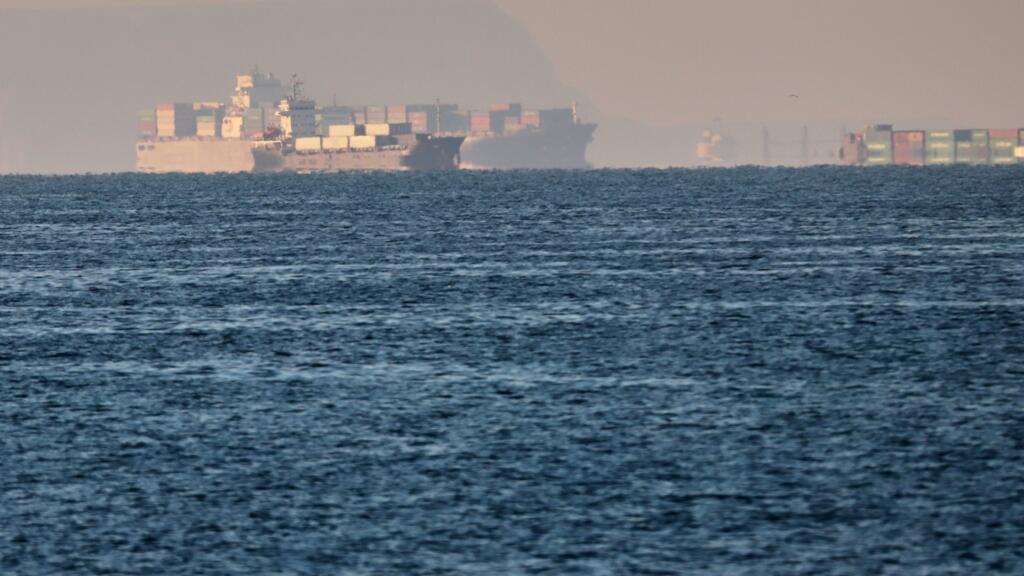
The primary driver of the disruption is the blockade of the Strait of Hormuz by Iran, which has targeted oil tankers in the region. Although the waterway traditionally handled approximately one-fifth of global oil shipments, its severe disruption has persisted despite US efforts to escort vessels through the channel.
Birol acknowledged that producing nations have attempted to stabilize the market by releasing additional supplies and utilizing alternative transport routes, while China has reduced its purchases from international markets. However, he emphasized that these measures have not fully protected households, resulting in higher prices and, in some instances, supply shortages.
“Increasingly it is falling to consumers — and high prices — to absorb the impact as other buffers are run down,” the report indicated. This marks a shift from Birol’s more optimistic assessment in July, when he believed the oil market still benefited from several cushioning factors.
Looking ahead, the IEA’s middle-scenario forecasts that global oil demand will peak around 2030 before entering a slow decline, while gas demand is expected to rise until approximately 2035. Birol cautioned that the longer the regional crisis continues, the deeper its economic effects will become, adding that he sees no credible pathway for the energy world to return to its pre-crisis state.
The release of the report coincides with the COP31 climate talks in Turkey, where governments face mounting pressure to address climate change following a year of extreme heat in Europe and deadly floods in Nepal.

Gas demand rising until 2035? That contradicts the renewable goals we keep hearing. The world is messy.
I can already feel the gas prices rising. The report says consumers bear the burden, and it feels true.
US escorts are helping, but Iran keeps targeting tankers. This blockade strategy is really dangerous for everyone involved.
The timeline until 2030 feels so long. We are living through the worst energy security moment in history already.
Funny how COP31 is happening right now. Climate talks feel almost like a footnote compared to this energy crisis.
China reducing purchases is a smart move, but it mostly just shifts the burden to us. Our prices will spike.
Is it really worse than previous wars? We have more digital monitoring now. I think the hype is slightly overstated.
The Strait of Hormuz is critical. One tanker attack can ripple globally. It is scary how fragile our supply lines are.
Dwarfing the 1970s shocks? That sounds terrifying. I just hope the supply chain stabilizes before winter hits us.