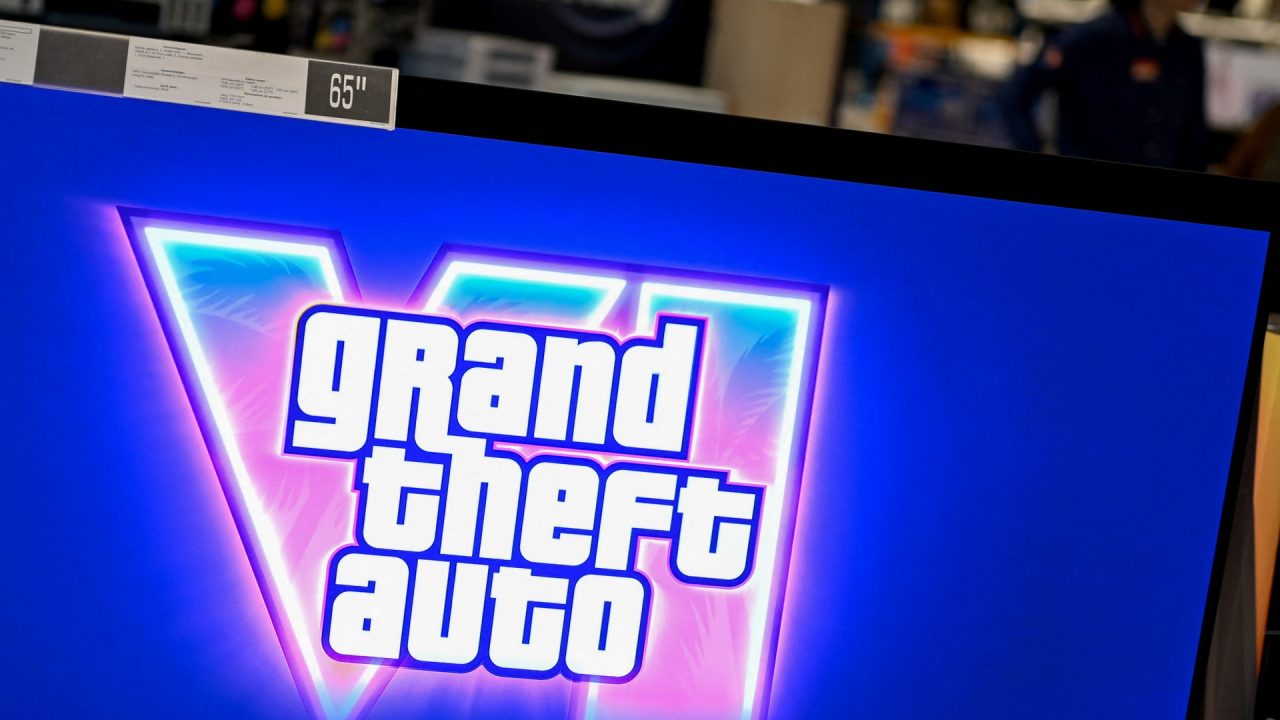
Grand Theft Auto VI (GTA VI) was released this week to critical acclaim, marking a significant milestone for the video game industry as it cements its status as the leading segment of the U.S. entertainment sector. The title generated over $1.5 billion in pre-sales before its launch, following more than 13 years since the previous installment in the franchise. The game, which features characters Jason and Lucia exploring a fictionalized version of Miami, has become the best-reviewed video game of all time, driven by detailed worldbuilding and nostalgic appeal.
Cultural attitudes toward gaming have shifted dramatically. While politicians like Representative Tim Burchett have continued to criticize the title for promoting violence, the broader taboo has faded. Major institutions, including the U.S. military and the White House, have embraced the game’s popularity, with reports indicating that 43 soldiers utilized a reenlistment incentive to celebrate the launch. Entertainment Software Association data highlights the sector’s economic weight, noting that the industry generated over $95 billion in economic activity in 2025, vastly outpacing the North American movie box office revenue of just under $9 billion.
Despite the blockbuster success of GTA VI, the broader gaming industry is facing significant financial headwinds. Experts note that the development of such titles has become prohibitively expensive, with the average blockbuster cost rising from $47 million in 2000 to $440 million today. This financial pressure has led to widespread layoffs; according to the tracker website Gaming Layoffs, nearly 13,000 workers were laid off and 40 studios shut down in the first months of 2026, a 150 percent increase compared to the same period last year. A recent industry survey found that 77 percent of U.S. respondents expressed pessimism about the sector’s future, yet leaders remain optimistic that the global and diverse nature of gaming will sustain its long-term growth.



Leave a Reply