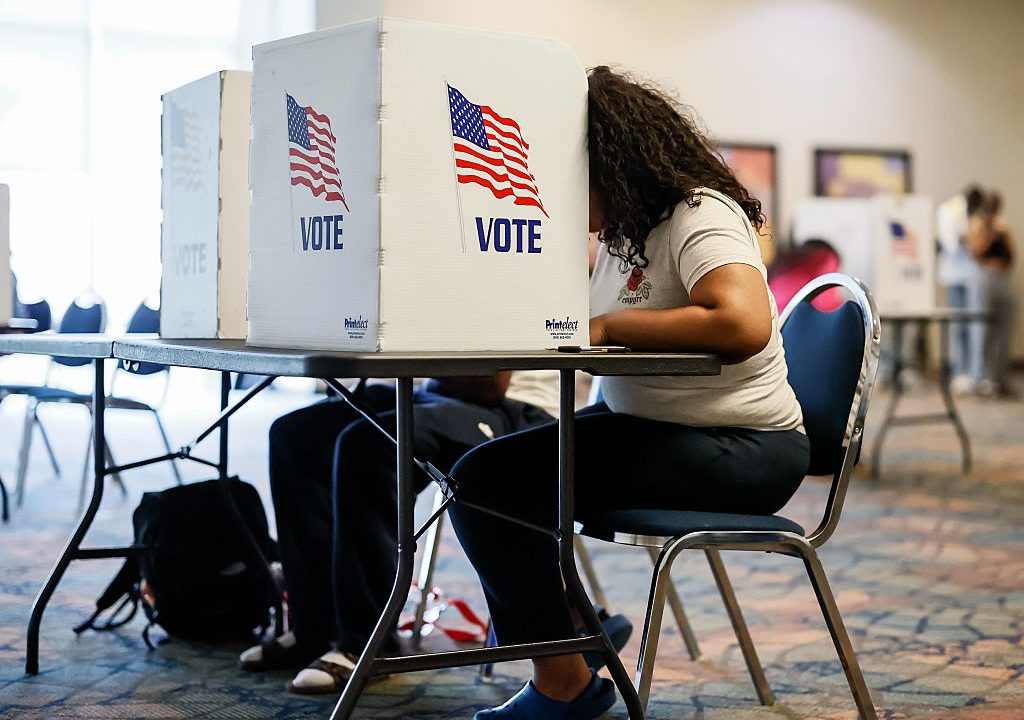
Fresh from sweeping both chambers of Congress in the recent midterms, the new Democratic majority is preparing to overhaul federal health policies, although experts remain divided on the extent of legislative impact due to President Trump’s veto power. Chris Pope, a senior fellow at the Manhattan Institute for Policy Research, notes that Democrats may use their two-year term to test policy proposals, laying the groundwork for potential implementation if they secure the White House in 2029.
One of the immediate priorities for the incoming Democratic leadership is restoring federal funding for scientific research. Following the administration’s 2025 termination of over 7,800 grants from the National Institutes of Health and the National Science Foundation, along with workforce reductions under the DOGE initiative, lawmakers intend to reinstate support for research, a move that enjoys bipartisan backing.
In the realm of health care financing, Democratic House leaders, including incoming Speaker Hakeem Jeffries, have pledged to reverse cuts to Medicaid and extend tax credits for the Affordable Care Act. This stance aims to address the increased insurance costs and coverage losses that followed the passage of the One Big Beautiful Bill Act without enhanced subsidies. Chris Van Gorder, president and CEO of Scripps Health, expressed cautious optimism about seeing these reversals, while Pope suggested that the political momentum could spark broader discussions on Medicare for All, a single-payer system championed by some Democrats.
Public health oversight also faces scrutiny, particularly regarding vaccine policy under HHS Secretary Robert F. Kennedy Jr. New legislative initiatives, including the Strengthening the Vaccines for Children Program Act and the Family Vaccine Protection Act, seek to expand free vaccine access and safeguard evidence-based immunization guidelines from political interference. The election of medically qualified senators, such as Dr. Annie Andrews and Dr. Abdul El-Sayed, is expected to enhance congressional ability to challenge HHS decisions, including those related to debunked links between vaccines and autism. However, Van Gorder remains realistic, noting that without Republican cooperation, significant health care improvements may be blocked by gridlock or presidential vetoes until the next election.


Why are doctors running for Senate? Does this actually change how they vote on healthcare bills?
With Trump holding the veto power, I remain highly skeptical they can pass anything meaningful before 2029.
It feels good to finally see vaccine policies backed by actual medical evidence instead of political agendas.