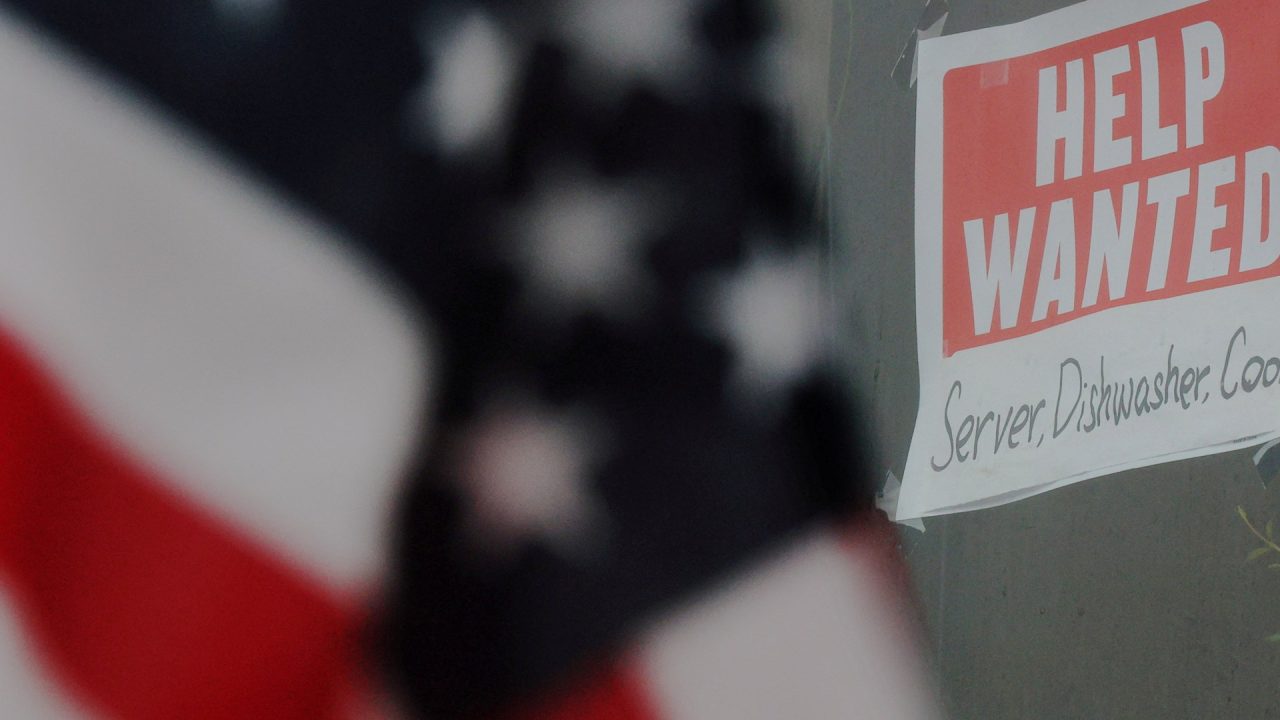
A coalition of 17 United States lawmakers, comprising current representatives and members-elect, has intensified efforts to pass the Living Wage For All Act. The legislation seeks to incrementally increase the federal minimum wage to $25 per hour and abolish the subminimum wage for tipped workers, a provision that has remained in limbo since the bill’s introduction in April.
The bill, originally sponsored by Representatives Delia Ramirez and Jesus “Chuy” Garcia of Illinois, and Analilia Mejia of New Jersey, proposes a phased implementation timeline based on employer size. Larger companies with over 500 employees or annual revenues exceeding $1 billion would complete the wage transition by 2031, while smaller employers would have until 2038. Following these deadlines, the federal rate would be linked to two-thirds of the median hourly wage, with annual adjustments to maintain that ratio.
Brad Lander, a congressman-elect from Brooklyn, New York, who plans to co-sponsor the bill when the new congressional session begins in January, emphasized the importance of a federal approach. “Doing it federally is the right way to go. Tying it into broader legislation that raises the minimum wage for all workers is a great approach,” Lander stated in an interview with Al Jazeera. He argued that the current system is inexcusable, noting that 45 million workers earning less than $20 an hour deserve a raise.
Currently, the federal minimum wage stands at $7.25 per hour, a level unchanged since 2009. While several states have implemented higher rates, with Washington D.C. leading at $18.40 and Washington state at $17.13, 20 states do not exceed the federal floor. The federal tipped wage has been frozen at $2.13 per hour since 1996, allowing employers to count customer tips toward the minimum wage requirement. States like Alaska, California, and Nevada require the full minimum wage for tipped workers, whereas New York allows tip credits with regional variations in cash wages.
The movement to eliminate the subminimum wage addresses historical disparities, as the 1938 Fair Labor Standards Act originally excluded domestic and agricultural workers, a change that disproportionately affected Black Americans. Although Congress extended protections to service workers in 1966, it established the separate tipped wage rather than requiring the full rate. Inflation has significantly eroded the purchasing power of the current federal minimum wage, which would be worth $11.32 in today’s dollars, representing a 36 percent decline since 2009.
Public support for the increase appears strong, with a new poll from the advocacy group One Fair Wage indicating that 78 percent of voters viewed raising the minimum wage to $25 as a significant factor in their recent midterm election choices. The push for the Living Wage For All Act arrives as Democrats prepare to assume control of both the House and Senate. A previous major legislative effort, the Raise the Wage Act of 2021, failed in the Senate during President Joe Biden’s first term, though Biden did raise the wage for federal contract workers to $15 in 2022, a move revoked by President Donald Trump in 2025.

I hope this actually passes this time instead of getting stuck in committee again.
Small businesses will definitely lay off staff if the federal floor jumps that dramatically.
Wait, is $25 per hour the new target? That feels extremely high for small business owners.
Finally, a bill that addresses the reality of modern living costs for our workers.