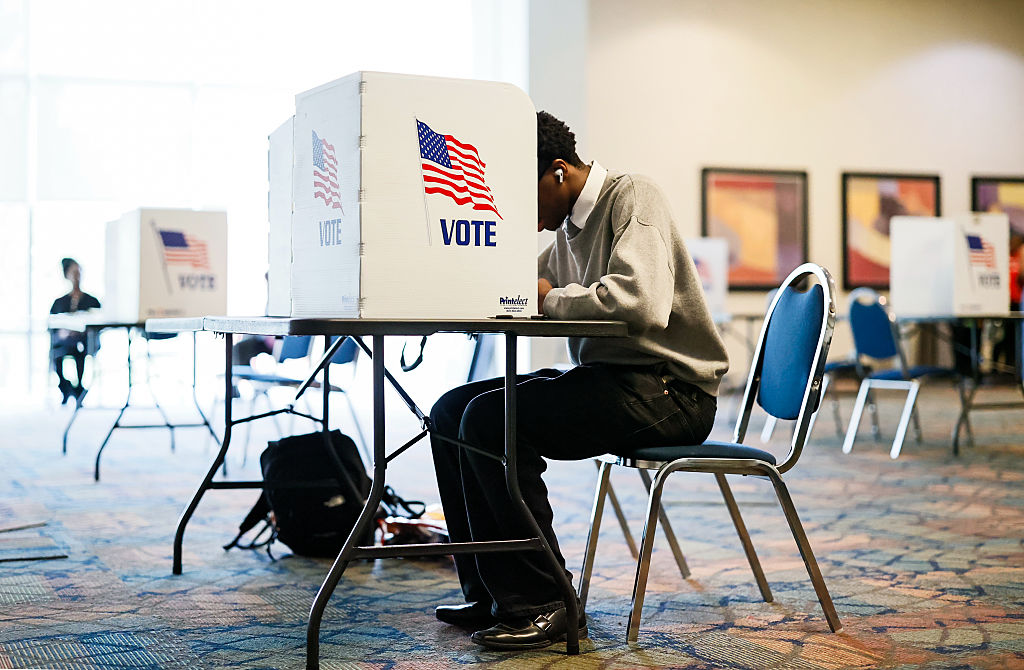
Scott Colom is set to be sworn in as the 52nd United States Senator from Mississippi on January 3, 2026, marking a historic moment as the first Black Mississippian to be popularly elected to the U.S. Senate since the Reconstruction era. While Colom’s victory is a landmark achievement, analysts argue it underscores the ongoing necessity to restore federal voting rights protections that were recently dismantled by the U.S. Supreme Court.
Research from the Brennan Center indicates that the surge in turnout among Black and minority voters during the 2026 midterms was not evenly distributed but was particularly pronounced in jurisdictions formerly covered by the Voting Rights Act’s preclearance requirements. These areas are locations where state officials have aggressively worked to dismantle voting protections following the Supreme Court’s 2013 decision in Shelby County v. Holder and its April 2026 ruling in Louisiana v. Callais, which effectively ended Section 2 of the Voting Rights Act.
Justice Elena Kagan criticized the majority’s actions in Callais, describing the recent judicial decisions as a “now-completed demolition of the Voting Rights Act.” In Mississippi, where the state senate race was decided by approximately 5,000 votes out of nearly a million cast, this backlash effect may have provided the critical margin necessary for Colom’s victory.
However, high turnout alone has not successfully neutralized structural barriers to fair representation in all regions. In Louisiana, for example, the reversion to a previous congressional map limited Black voters’ ability to elect their preferred candidate to a single district, despite a four-point increase in turnout among Black voters in that region compared to white voters. Similar impacts were observed in Tennessee, where post-Callais map changes stripped Black voters in Nashville of their congressional representation. In Mississippi, despite Colom’s win, Black voters, who comprise 36% of the electorate, will remain underrepresented in the House with only one Black-majority district among the state’s four congressional seats.
Experts conclude that the dramatic response at the polls demonstrates that minority voters remain deeply concerned about the erosion of their rights. They urge the next Congress to pass a new, robust version of the Voting Rights Act that can block discriminatory policies before they take effect and invalidate existing unjust measures, ensuring that the gains made in 2026 are not reversed.


Leave a Reply