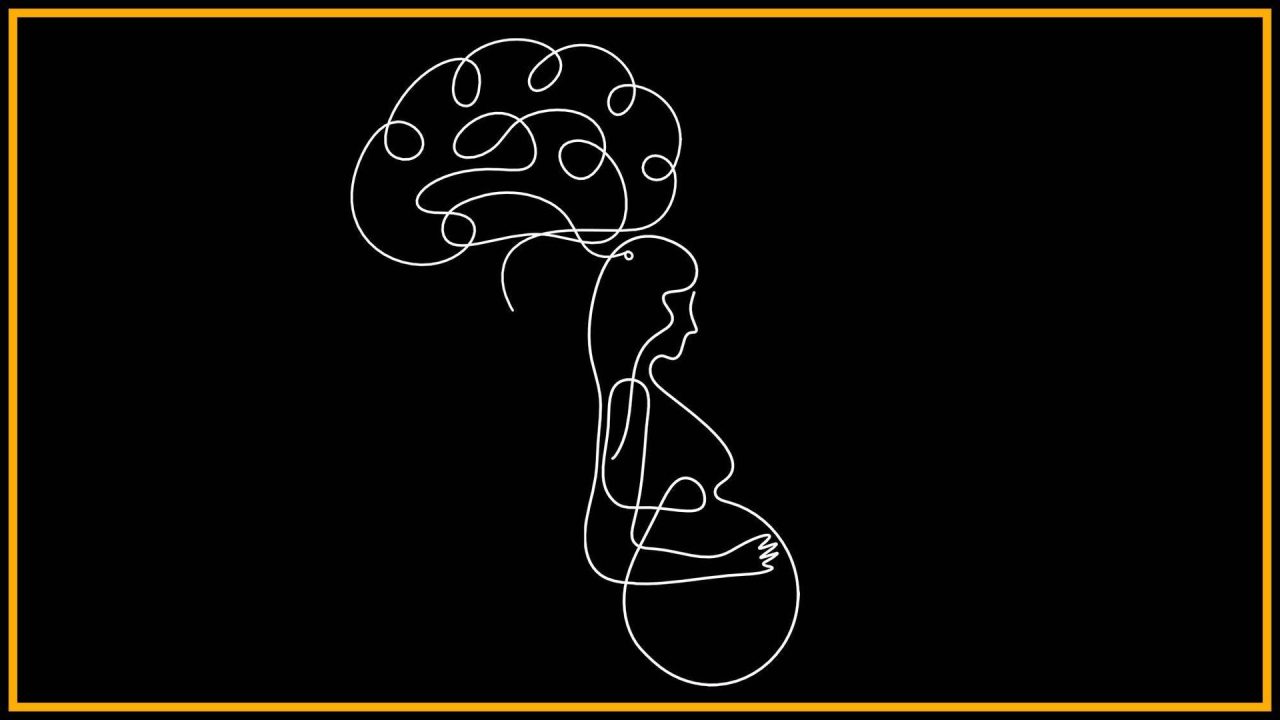
For centuries, medical illustrations have depicted the pregnant body as a torso without a head, reflecting a historical gap in scientific research regarding the brain. This omission left a critical area of the human body unstudied, despite pregnancy involving significant hormonal and physiological changes. Researchers are now working to address this oversight by investigating how the brain is structurally altered during pregnancy and the postpartum period.
In 2016, a study published in Nature Neuroscience provided the first evidence that pregnancy profoundly and measurably changes the structure of the human brain. Since that finding, neuroscientists have identified the months of pregnancy and the postpartum phase as one of the most plastic periods for the adult brain. These changes are more pronounced and rapid than those observed during adolescence and are driven by significant shifts in estrogens and other hormones.
The structural changes in the maternal brain are dynamic and long-lasting, with some regions shrinking in volume during gestation and growing after birth, while others follow the opposite pattern. Preliminary evidence suggests these modifications may persist for years or even decades. Contrary to popular beliefs about ‘mommy brain,’ recent data indicate that these structural changes are not associated with worse cognitive functioning; in fact, women whose brains changed the most reported greater well-being and an easier time bonding with their newborns.
However, the increased plasticity of the brain during this period also carries risks. A 2025 study published in Science Advances found that certain brain changes were associated with a greater rise in depressive symptoms during the postpartum period. Epidemiological data highlight the urgency of this issue, noting that approximately one in five women experience perinatal depression. In developed countries, suicide linked to peripartum mental disorders remains one of the leading causes of maternal death.
Experts argue that a new era of research requires high-quality, large-scale datasets to understand these transformations accurately. Current data on maternal brain health exist in isolated silos, including blood biobanks, neuroimaging from postpartum parents, and social records, but they have not been integrated. To advance the field, researchers call for a public, longitudinal database that tracks women from before conception through years after birth, linking biofluids, neuroimaging, and social conditions. This approach mirrors successful infrastructure in other fields, such as the Alzheimer’s Disease Neuroimaging Initiative.
Despite having hundreds of participants in current studies, the scientific community needs to scale up to thousands of women with adequate geographic and social representation. Coordinating efforts through initiatives like ENIGMA-Neuroendocrinology and the Ann S. Bowers Women’s Brain Health Initiative is seen as a way to achieve this goal. The consensus among experts is that treating the maternal brain with the same rigor and resources as other areas of biomedicine is essential to preventing maternal deaths and supporting family well-being.



Great news. More funding for women’s health research is overdue. Let’s hope this initiative actually gets the budget it needs.
The mention of suicide rates as a leading cause of death is genuinely chilling. We need to treat this with extreme urgency.
My husband should have studied this. I thought I was crazy, but it was just my brain reorganizing itself completely.
Skeptic here. Are the structural changes really different enough from normal aging to warrant such a huge research push?
I was a nurse during labor. We see these brain changes physically, but understanding them scientifically is a game changer.
Is this going to mean insurance covers more mental health support during pregnancy? I hope it does, because the stats are scary.
As a neurologist, I agree that we need longitudinal data. You cannot study plasticity with just cross-sectional snapshots of a few dozen women.
Wait, so the ‘mommy brain’ thing is actually not about being dumb? That totally changes how I viewed that stereotype before.
Finally! It is wild to think medical art left out heads for centuries. So much history to catch up on.