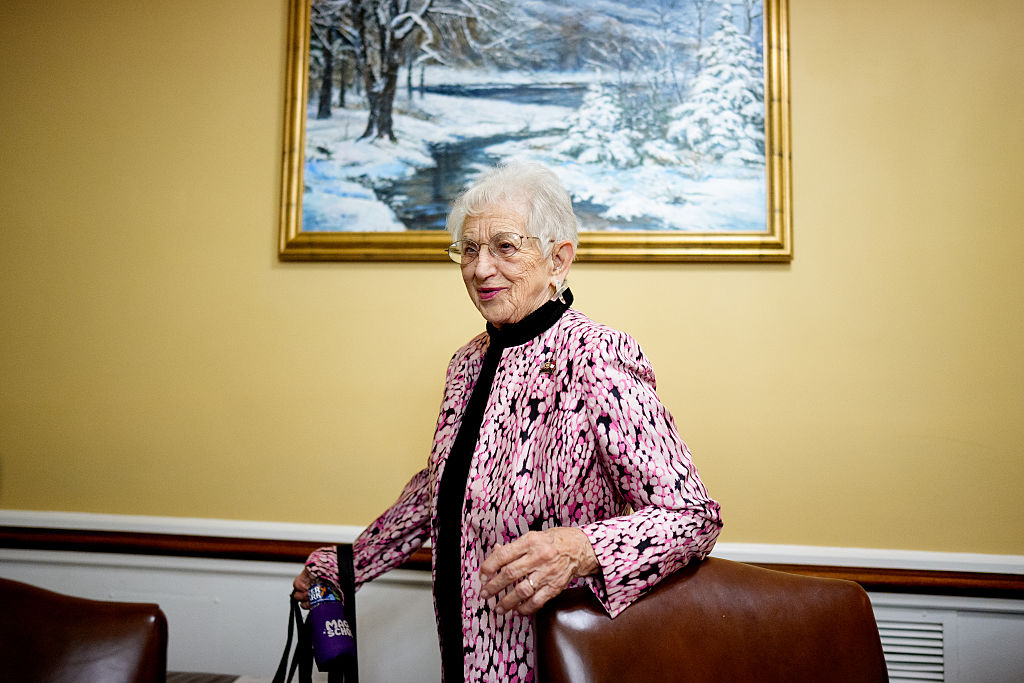
Recounts have been requested in several of the closest congressional races following this year’s midterm elections, with candidates in North Carolina and Minnesota challenging initial results. Just over two weeks after Election Day, while the outcomes of most House races have been finalized, a handful remain uncalled pending these verification procedures.
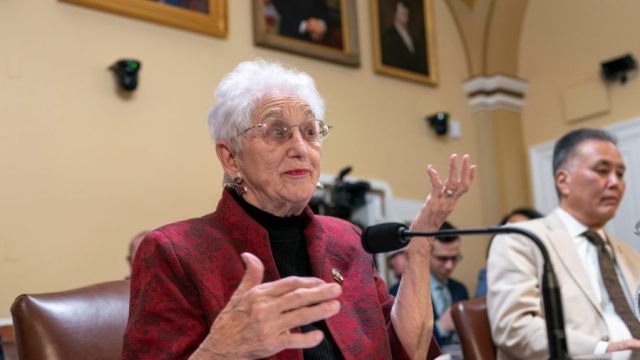
Republican Representative Virginia Foxx of North Carolina’s 5th District filed a recount request on Tuesday, trailing Democrat Chuck Hubbard by more than 300 votes. In the state’s 10th District, Democrat Ashley Bell requested a recount after losing to Representative Pat Harrigan by over 2,500 votes. Additionally, Minnesota Representative Brad Finstad, a Republican, stated he intends to request a recount in the state’s 1st District, where he trails Democrat Jake Johnson by approximately 300 votes.
Tammy Patrick, chief programs officer at the National Association of Election Officials, noted that close margins require verification to ensure no ballots were overlooked or miscounted. Recount procedures vary significantly by state; in 26 states and Washington, D.C., recounts are triggered automatically if results fall within a specific margin, typically between 0.5% and 1%. In 41 states and D.C., candidates may request a recount, while Illinois, Mississippi, and Tennessee only allow them via court challenges. Some states also require petition signatures from registered voters to initiate the process.
The primary purpose of a recount is to verify that voter intent is accurately reflected in the tabulation. Human oversight is often necessary to detect errors where voters mark ballots incorrectly, such as circling names instead of filling in bubbles or using highlighters on mail-in ballots, which machine readers cannot process. While rare cases of verified ties may be resolved by chance, most states mandate runoffs or other alternative methods.
Historical data suggests that recounts rarely alter election results. An analysis by the elections research firm FairVote of statewide elections between 2000 and 2025 found that only three of 37 recounts reversed the initial outcome, all with initial margins under 0.06%. On average, these recounts shifted the vote margin by just 536 votes, or roughly 0.03% of the total. The last time a statewide recount reversed a House race result was not identified, but Jake Johnson noted that no U.S. House recount in over 40 years has resulted in a change as large as the margin in his race against Finstad.
Recount timelines are strictly regulated to ensure results are finalized before new legislators are sworn in. Most states complete the process within one or two weeks of initiation. In North Carolina’s 5th and 10th Districts, machine recounts are scheduled to begin next week with results expected by November 23. For the potential recount in Minnesota’s 1st District, the Secretary of State’s office anticipates the process will take place between November 30 and December 4. Costs for these procedures are often shared by candidates through required deposits, particularly in states mandating hand counts.
Wait, did anyone check if the mail-in ballot handling was correct? That is where most confusion usually happens.
Machine counts are faster, but hand counts catch human errors. It is about making sure every vote actually counts properly.
Surprised by the North Carolina margins. I expected those races to be much wider given recent polling data.
The deposit requirements can be a financial burden for challengers. Is that really fair to candidates fighting for their careers?
I love that the article mentions highlighters. Who actually uses highlighters on their ballot? That seems really outdated.
History shows these rarely change anything. Why waste time and money on processes that predictably uphold the original outcome?
Always nervous when recounts happen, but hopefully these clear up any lingering doubts about the final results.