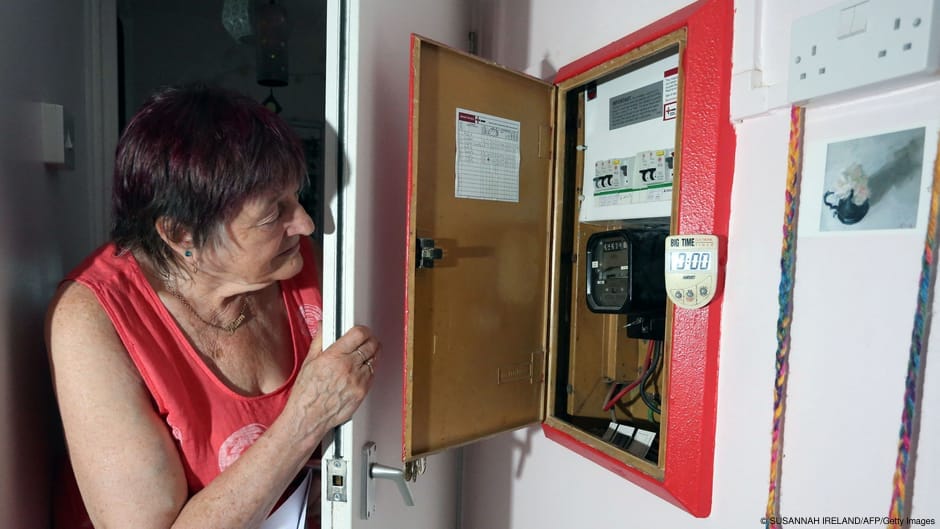
Germany’s governing coalition has reached an agreement to reduce electricity taxes for both households and businesses, a move designed to mitigate the impact of soaring energy prices. The deal, finalized after late-night negotiations in Berlin, sets the electricity tax rate for 2027 at the European minimum level. Chancellor Friedrich Merz’s center-right CDU/CSU alliance and its junior partner, the center-left Social Democrats (SPD), secured funding for this measure through projected surpluses from renewable energy subsidies. While the funding is currently locked in for 2027, the coalition emphasized its intention to make the reduction permanent, contingent on securing further financing for subsequent years.
This agreement extends previous tax reductions that had only benefited industry, agriculture, and forestry sectors. The government also plans to implement a three-month cap on fuel prices starting in January. The measure is a significant response to some of the highest electricity costs in Europe, exacerbated by energy shocks resulting from Russia’s invasion of Ukraine and the recent conflict between the United States, Israel, and Iran. The proposal now requires incorporation into the 2027 federal budget, with the Bundestag expected to grant final approval on November 27.
In parallel developments, Germany’s Constitutional Court has dismissed an appeal by the populist Alliance for Social Justice and Economic Reason (BSW) party, which had sought a recount of the February 2025 federal election. The BSW narrowly missed the 5% threshold required for parliamentary entry, falling short by just 9,529 votes. Party founder Sahra Wagenknecht had argued that counting errors allowed the CDU/CSU-SPD coalition to maintain its majority illegitimately. The court’s decision marks a significant setback for the BSW, ending their hopes of triggering a recount that would have allowed them to enter the lower house of parliament and potentially challenge the current government’s mandate.

Sahra Wagenknecht will be furious, but the court decision is final. Time to face reality, BSW.
It is refreshing to see cross-party cooperation on such a critical issue. No more bickering?
Three-month fuel cap? We need longer relief. Gas prices are still spiking every time the news breaks.
9,529 votes is a tiny margin, but the law is the law. Moving on with the government now.
Funny how they use renewable surpluses to pay for this. The money circle is getting complicated.
I hope they actually make it permanent. Promises in Berlin rarely survive past the next election cycle.
The BSW losing their recount appeal feels like history repeating itself. No amount of arguing will change the facts.
Does this tax cut actually help if wholesale prices stay high? Seems like a band-aid on a bullet hole.
Finally, some good news for regular households. I was worried about the winter heating bills being unbearable.