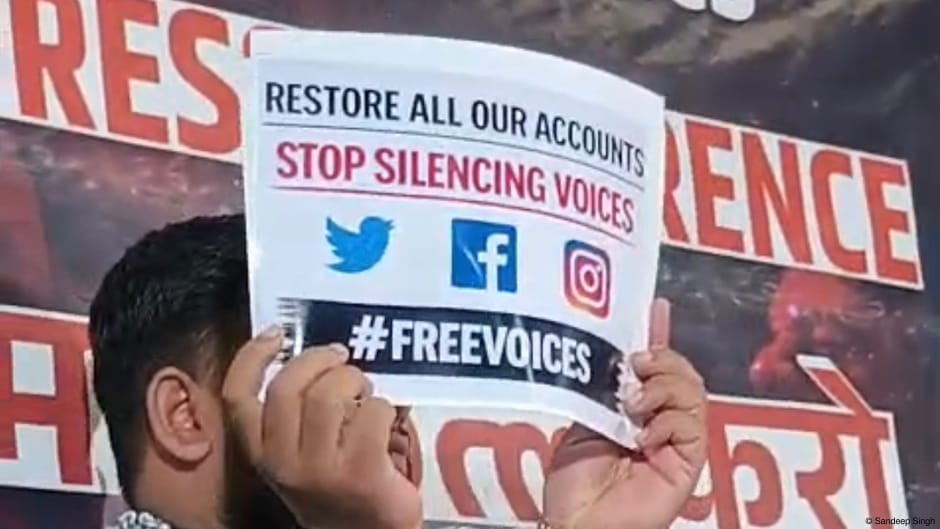
Independent journalists and content creators in India report that digital restrictions have intensified on social media platforms since the eruption of the anti-government ‘Cockroach Janata Party’ (CJP) protests. The crackdown has affected a wide range of online voices, including established media organizations, political cartoonists, and independent news outlets.
Examples of restricted content include videos documenting alleged police brutality during CJP demonstrations, analyses of the Rashtriya Swayamsevak Sangh’s (RSS) role in the Bharatiya Janata Party’s rise to power, and satirical criticism of Prime Minister Narendra Modi’s administration. Many creators stated they received no official notice or explanation from either the government or the platforms for these blocks.
CitySavitri, a content creator with a small following, told DW that a video examining the RSS’s influence was restricted within an hour of posting, leading her to conclude that anti-government commentary is being closely monitored. Similarly, independent journalist Sadhika Tiwari reported that a video she posted during the New Delhi protests on July 20, which garnered over 10 million views before being blocked, was removed without warning. Political cartoonist Satish Acharya also noted that his Instagram profile has been blocked repeatedly in recent months.
Aslah Kayyalakkath, founder of independent digital news outlet Maktoob Media, highlighted a previous incident in May 2025 during the India-Pakistan conflict when his outlet’s X account was withheld in India without prior notification. “Suppressing independent journalism undermines transparency, accountability and democratic values,” he said. He added that the outlet’s coverage of the July protests also faced restrictions.
The legal framework driving these changes includes India’s IT Rules, which were amended in February 2026. Section 79 of the Information Technology Act protects platforms from liability for third-party content only if they comply with specific conditions, including removing designated unlawful content within three hours of receiving a valid court order or government notice—a deadline shortened from the previous 36 hours. Non-compliance risks the loss of liability protection.
Pranesh Prakash, a technology law adviser, criticized the amended rules for allowing police officials to notify intermediaries to remove content deemed unlawful without formal legal proceedings. “This has led to the worst period of social media censorship that India has ever seen,” Prakash stated. The Software Freedom Law Center India (SFLC.in) has also raised concerns about the transparency and due process implications of relying on automated takedowns, noting a lack of public data on government removal requests.
Platforms should stop blindly following government orders without proper legal due process. This feels deeply concerning.
I wonder if these new rules will actually silence real misinformation or just convenient political criticism?
It is shocking that independent news is vanishing so quickly. Where is the promised accountability in our democracy?