France is preparing for its next presidential election, scheduled for the spring of 2027, as the political landscape becomes increasingly fragmented with thirty-eight candidates currently competing for a place on the final ballot. Prospective candidates must secure endorsements from 500 elected officials by March 12 to qualify for the vote. Amidst this growing list of contenders, Marine Le Pen, the leader of the far-right National Rally party, holds a significant lead in the latest polling data.
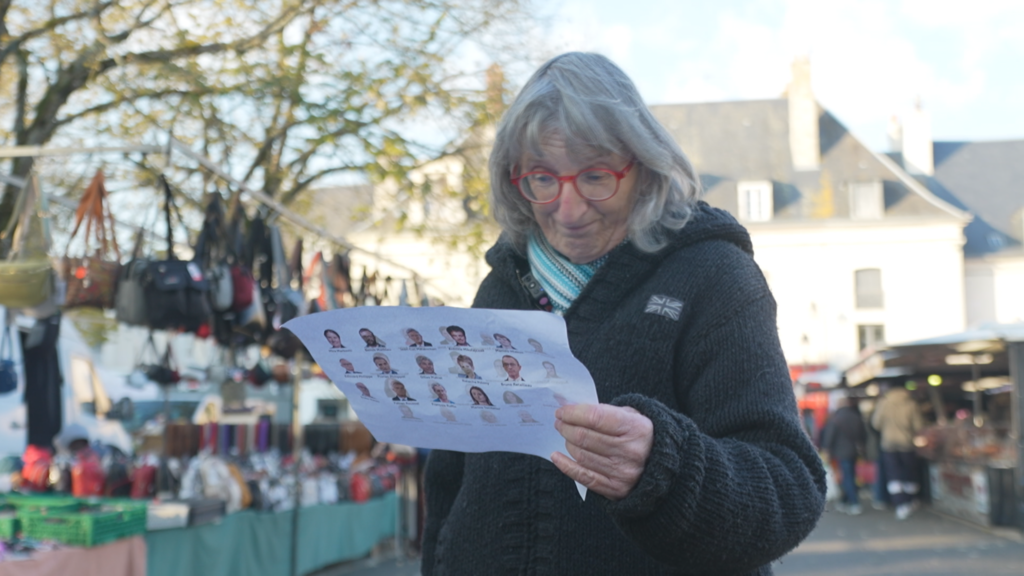
To gauge public sentiment ahead of the election, France 24’s “France in Focus” series investigated Châteaudun, a town with a population of 13,000 that has historically served as a reliable predictor of national voting trends for over two decades. Its diverse mix of urban and agricultural communities makes it a key barometer for French public opinion.
In the second episode of the series, reporters revisited a local mathematics teacher who had expressed uncertainty about his voting choice in June. They also visited the local market, where discussions about the rising cost of living dominated conversations among residents. Additionally, the team interviewed a high school student who had participated in school blockades in early October to protest against poor teaching conditions; she is set to cast her first vote in the upcoming presidential election next April.


Is it just me, or has the media ignored the agricultural sector entirely in this segment?
I loved the market scenes. Real people worry about groceries more than political slogans usually suggest.
Le Pen leads, but the center is collapsing. I do not see a clear winner emerging yet.
It is wild that a high schooler is already planning to vote. Their engagement is refreshing.
Thirty-eight candidates is overwhelming. The qualification process needs reforming, or the ballot will be unreadable for most.
Châteaudun remains surprisingly accurate. I wonder if the high cost of living will finally drive younger voters away.